


Loose or sagging skin can happen for lots of reasons — aging, weight loss, pregnancy, or simple changes in elasticity over time. While the idea of tightening skin might once have meant only surgical options, today there are several non-invasive and minimally invasive techniques that have scientific support. These range from light-based therapies to radiofrequency and microneedling approaches, each working in a different way to boost firmness and elasticity.
In this article, we’ll explore evidence-based options for skin tightening, how they work, and what research says about their effectiveness — all written in plain language for anyone curious about improving skin tone and texture.
Why Skin Loses Firmness in the First Place
Our skin’s youthful bounce comes from proteins like collagen and elastin. Over time, production of these proteins slows, leading to thinner, looser skin. External factors — such as sun exposure, smoking, and stress — can accelerate the process. To tighten skin, the goal of most treatments is to stimulate collagen and elastin production and improve structural integrity deep within the skin.
1. Red Light Therapy — Gentle Cellular Support
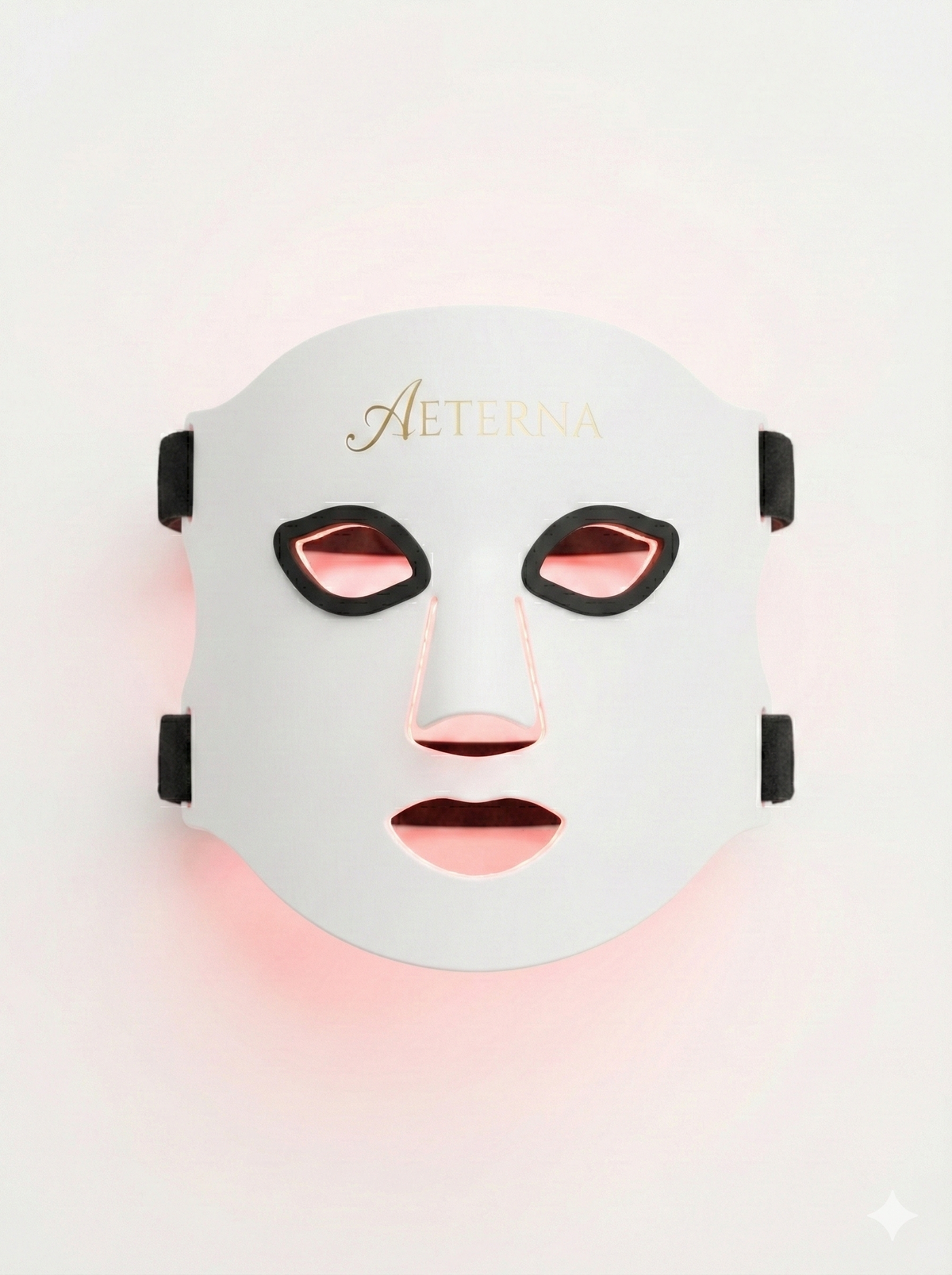
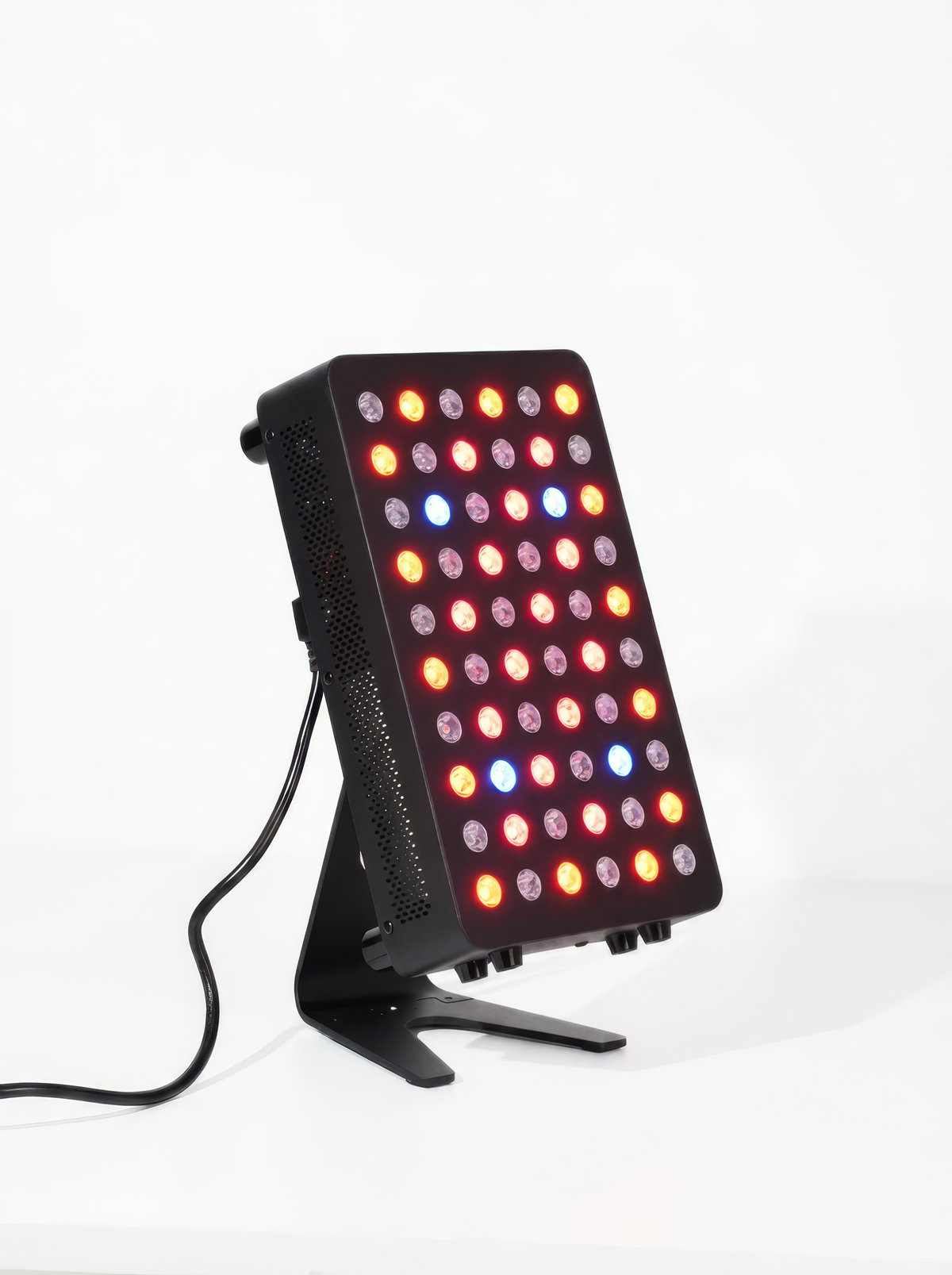
Red light therapy (also known as photobiomodulation) uses specific wavelengths of red and near-infrared light to interact with skin cells in a way that boosts cellular function and supports structural proteins.
How It Works
Research shows that red and near-infrared light can stimulate fibroblasts — cells responsible for producing collagen and elastin — and may increase collagen synthesis in the dermis (deeper skin layer).
What Studies Say
A 2023 clinical study using a 630 nm red light LED mask found that repeated sessions significantly improved facial firmness, elasticity, and overall skin density, with many participants reporting visible tightening effects and sustained results even after treatment ended.
Other research has demonstrated that light in the 600–650 nm and 800–860 nm range increases both collagen and elastin production, which helps skin regain strength and elasticity over time.
Bottom line: Red light therapy is a non-invasive option to support skin tightening by helping your body boost its natural collagen and elastin production — especially with consistent use over weeks to months.
2. Radiofrequency (RF) — Heat-Induced Collagen Renewal
Radiofrequency (RF) isn’t a light therapy but a heat-based treatment that’s one of the most widely studied non-surgical methods for tightening skin.
How It Works
RF devices use safe electromagnetic waves to generate heat deep in the dermis. This heat stimulates collagen and elastin production and triggers the skin’s natural wound-healing response, leading to firmer, tighter skin over time What Evidence Shows
Clinical studies show that RF treatments can improve skin laxity and rejuvenate photoaged skin with minimal downtime. Improvements in firmness can continue for months after treatment as new collagen forms.
A 2025 MDPI study found that a single monopolar RF session produced significant improvements in facial skin firmness and reduced laxity, with benefits observed up to 24 weeks later.
Takeaway: RF can be a powerful tool for deeper skin tightening — especially for moderate laxity — and it’s commonly used by dermatologists and aestheticians.
3. Microneedling and Combination Treatments
Microneedling, especially when combined with RF energy (RF microneedling), has gained attention for its ability to stimulate collagen while also creating micro-channels that enhance other treatments.
Key Findings
A 2025 study reported that micro needle RF effectively improved wrinkles, pigmentation, and skin hydration, which often correlates with better firmness and texture.
Note: The FDA has issued safety warnings about at-home RF microneedling devices due to risks like burns, scarring, and nerve damage — so these procedures should be done by trained professionals.
4. Photobiomodulation vs. Other Technologies
It’s helpful to compare the major non-surgical approaches:
|
Method |
How It Works |
Skin Tightening Effect |
|
Red Light Therapy |
Boosts collagen/elastin at the cellular level |
Gently improves firmness and texture |
|
Radiofrequency |
Uses heat to stimulate fibroblasts deep in the dermis |
Stronger tightening for moderate laxity |
|
Ultrasound (HIFU) |
Targets deeper structural layers |
Deep lifting and tightening, especially for jawline/neck |
|
Microneedling + RF |
Combines controlled injury with heat |
Robust collagen stimulation, but requires expertise |
Ultrasound devices (like Ultherapy) target even deeper layers than RF and can be more effective for structural lifting, while red light is often gentler and more supportive than transformative on its own.
5. Lifestyle Factors that Support Skin Firmness
No treatment replaces the basics of good skin health. Strategies that support collagen production and skin elasticity include:
✔ Eating a balanced diet rich in antioxidants and protein
✔ Staying hydrated
✔ Strength training and facial exercises (which may improve muscle tone under skin)
✔ Protecting skin from excessive sun exposure
Even the best technologies work best when paired with healthy skin habits.
Realistic Expectations & Safety
-
Consistency matters: Whether you choose red light, RF, or another treatment, multiple sessions over weeks or months are usually needed before you see noticeable tightening.
-
Non-invasive options have minimal downtime: Light and RF treatments typically allow normal daily life immediately after sessions.
-
Professional guidance helps: Some treatments (like RF microneedling) carry higher risk if done without clinical supervision.
Conclusion
Tightening loose skin doesn’t necessarily mean surgery. Emerging research supports several non-invasive approaches — from red light therapy that gently boosts collagen at the cellular level to radiofrequency treatments that heat deeper skin layers to stimulate new structural proteins. These options can be effective when used consistently and paired with good skin-care habits.
If you’re exploring ways to firm sagging skin, think of these technologies as part of a holistic strategy: lifestyle foundations plus evidence-backed treatments tailored to your goals and skin condition.
This content is for informational purposes only and is not medical advice.