


Acne is one of the most common skin conditions around the world, affecting people from teenage years into adulthood and often impacting confidence and daily life. While traditional approaches like cleansing routines, topical medications, and dermatologist-guided treatments are often effective, newer non-invasive tools like light therapy have become increasingly popular — both in clinics and at home.
But how do different wavelengths of light really work to help acne? Which ones target the bacteria versus inflammation? And what does credible research actually show about their effectiveness?
In this blog, we’ll dive into the science behind light therapy for acne, explain why certain wavelengths matter, and help you understand realistic expectations based on current evidence.
How Light Therapy Works for Acne
Light therapy for acne relies on specific wavelengths of LED or low-level lasers to influence skin cells and bacteria. Different colors of light penetrate the skin at different depths and have unique effects on acne-related factors like bacteria, inflammation, and sebum production.
The two most widely studied and clinically used wavelengths for acne are:
-
Blue light (~400–480 nm)
-
Red light (~620–700 nm)
Together, these wavelengths help manage different causes of acne — from bacterial activity to inflammation — making combined treatments particularly promising.
Blue Light: Targeting Acne at the Surface
Blue light works mainly by targeting acne-causing bacteria and is absorbed in the surface layers of the skin.
How It Works
Certain wavelengths of blue light (around 400–420 nm) are absorbed by porphyrins produced by Cutibacterium acnes — the bacteria associated with many acne breakouts. When these porphyrins absorb blue light, they produce oxygen radicals that can kill the bacteria, reducing acne formation.
What Studies Show
A systematic review found that blue light significantly reduces inflammatory acne lesions and helps improve overall skin texture when used consistently.
Blue light is especially effective against inflammatory acne, which includes red, swollen bumps. It’s generally gentle and suitable for regular use, though it may not be strong enough on its own for more severe acne without additional therapies.
Red Light: Calming Inflammation Deep in the Skin
Red light reaches deeper into the skin compared with blue light, making it helpful for reducing inflammation, redness, and irritation.
How It Works
Red wavelengths (around 630–700 nm) penetrate further into deeper skin layers where inflammation occurs and where oil-producing sebaceous glands reside. This deeper penetration may help:
-
Reduce inflammatory mediator expression
-
Support skin healing processes
-
Calm redness and swelling
Supporting Evidence
Studies show that red light helps reduce inflammation associated with acne and can enhance overall skin health. When paired with blue light in clinical trials, the combination has often shown better results than red or blue alone for reducing acne lesion counts.
Blue + Red Light: A Synergistic Approach
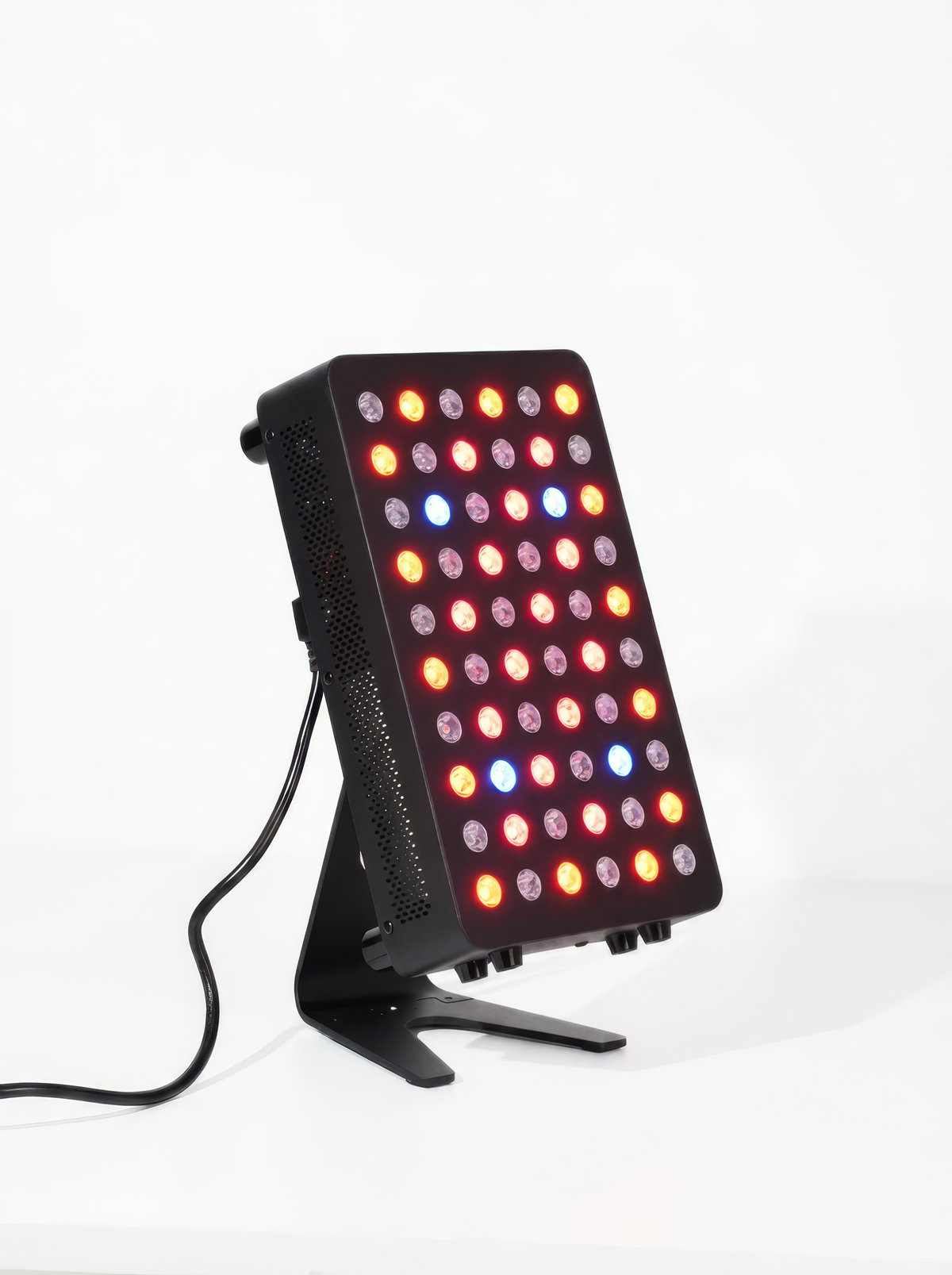
Many research studies and dermatology reviews emphasize that combining blue and red light often delivers the strongest acne improvement results.
Why the Combination Works
-
Blue light effectively kills bacteria on the skin’s surface.
-
Red light reduces deeper inflammation and promotes healing.
Together, they address two of the main underlying causes of acne — bacterial activity and inflammation — creating a more complete treatment approach.
Clinical Trial Outcomes
A classic clinical study involving combined blue and red light found that this duo significantly reduced inflammatory acne lesions compared with blue light or conventional topical treatments alone — and with minimal side effects.
A more recent 7-week open-label study testing a 415 nm/633 nm phototherapy device also supported its safety and effectiveness for adolescents and adults with mild-to-moderate acne, indicating strong real-world outcomes.
Which Wavelength Should You Choose?
Here’s a simple way to think about it:
|
Wavelength |
Primary Effect |
|
Blue (~400–480 nm) |
Targets acne bacteria (reduces P. acnes) |
|
Red (~620–700 nm) |
Reduces inflammation and promotes skin healing |
|
Combined blue + red light |
Best overall results for many acne sufferers |
Most dermatologists agree that the combination light approach gives the best balanced outcomes for mild-to-moderate acne, especially when used regularly in a consistent treatment plan.
At-Home Devices vs. Professional Treatments
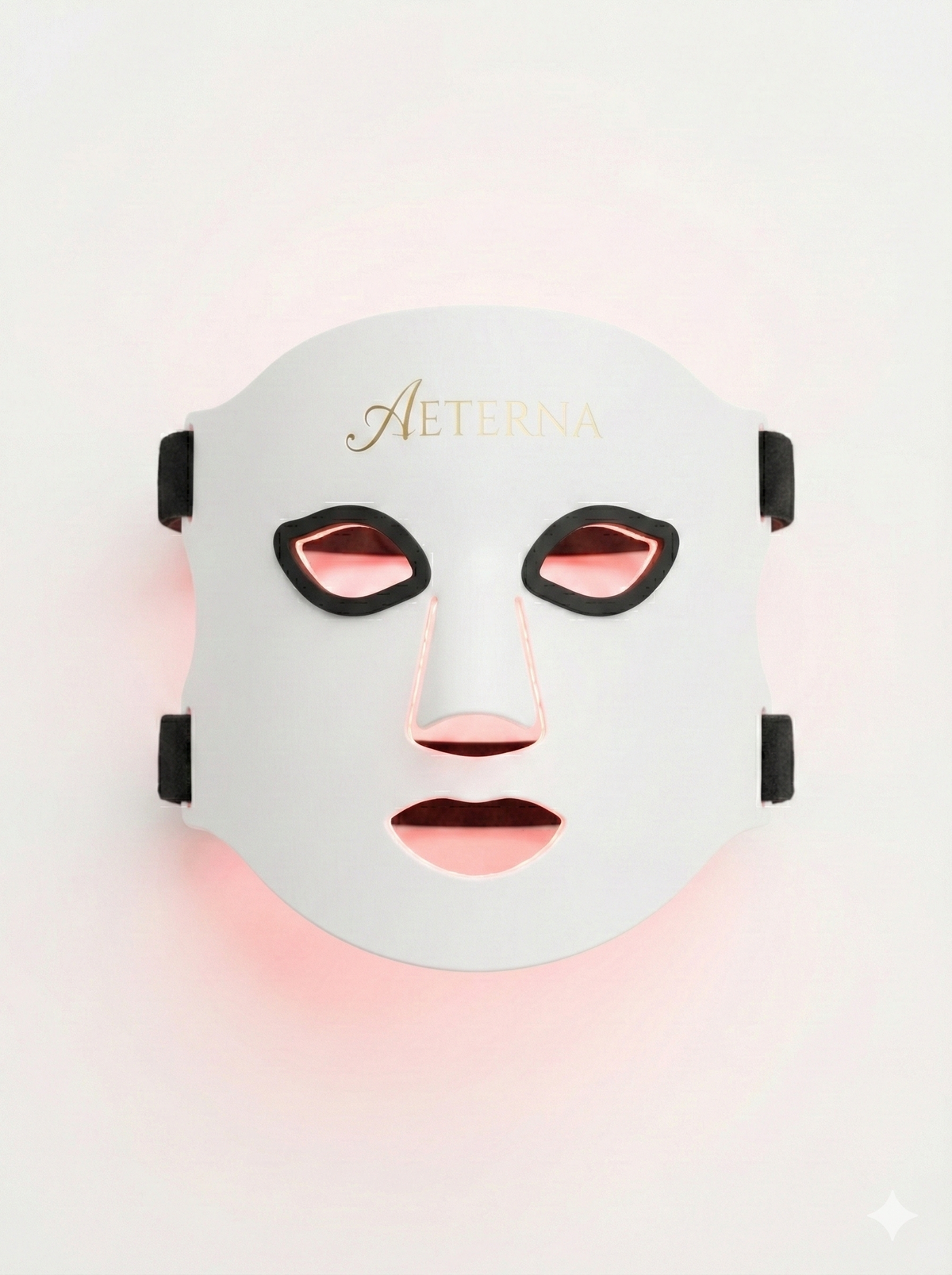
At-home LED devices — such as masks or handheld panels — often use the same wavelengths shown in clinical studies, but they are typically less powerful than in-office treatments.
A recent review from Mass General Brigham found that at-home red and blue LED devices were safe and effective in reducing both inflammatory and non-inflammatory acne lesions in people aged 12 to 50 years, with minimal side effects.
However, dermatologists often recommend using red and blue light therapy alongside a tailored skincare plan — including acne-appropriate cleansers, topical treatments, and sun protection — to achieve the best results.
Realistic Expectations & Safety
Here’s what to keep in mind:
✔ Multiple sessions matter. Regular treatments over several weeks usually show the best results.
✔ Gentle, with minimal side effects. Most people report only mild redness or temporary irritation.
✔ Not all masks are equal. Better wavelength accuracy and coverage often yield better acne results.
✔ Professional plans may be stronger. In-office LED treatments tend to deliver faster outcomes due to higher light intensities.
Conclusion: Light Therapy Can Be Part of an Acne Strategy
Light therapy doesn’t magically cure acne, but the science shows it can play a meaningful role — especially for mild to moderate acne — by:
-
Destroying acne-causing bacteria with blue light
-
Reducing inflammation with red light
-
Combining wavelengths for a synergistic effect
If you’re considering LED or red + blue light therapy, it’s smart to think of it as one piece of a broader skincare plan, especially if you’re dealing with persistent breakouts. Devices with the right wavelengths (e.g., ~415 nm blue and ~630 nm red) can deliver real results when used consistently and safely.
This content is for informational purposes only and is not medical advice.