


For decades, the standard approach to stubborn breakouts involved harsh benzoyl peroxide creams, drying salicylic acids, or rounds of oral antibiotics. While these can work, they often leave the skin barrier compromised—leading to redness, peeling, and sensitivity.
Enter the new era of dermatological technology. If you’ve seen the futuristic, glowing devices on your social feed and wondered, "Does red light therapy work?" or "Can blue light actually kill pimples?", the answer lies in a specific biological process called photobiomodulation.
By combining the antibacterial power of blue light with the cellular repair of a red light therapy mask, you aren't just treating the symptom; you’re changing the environment of your skin.
The Biological "Hitman": How Blue Light (415nm) Stops Acne
The primary cause of inflammatory acne is a bacteria known as Cutibacterium acnes (formerly P. acnes). These bacteria produce natural molecules called porphyrins. When blue light—specifically at the 415nm wavelength—hits these porphyrins, it creates a chemical reaction that produces singlet oxygen.
This oxygen effectively "suffocates" the bacteria from the inside out without damaging the surrounding skin cells. A 2024 systematic review published in JAMA Dermatology confirmed that at home red light therapy masks and blue light devices significantly reduced both inflammatory and non-inflammatory lesions in participants aged 12 to 50.
The "Healer": Red Light Therapy Benefits for Skin
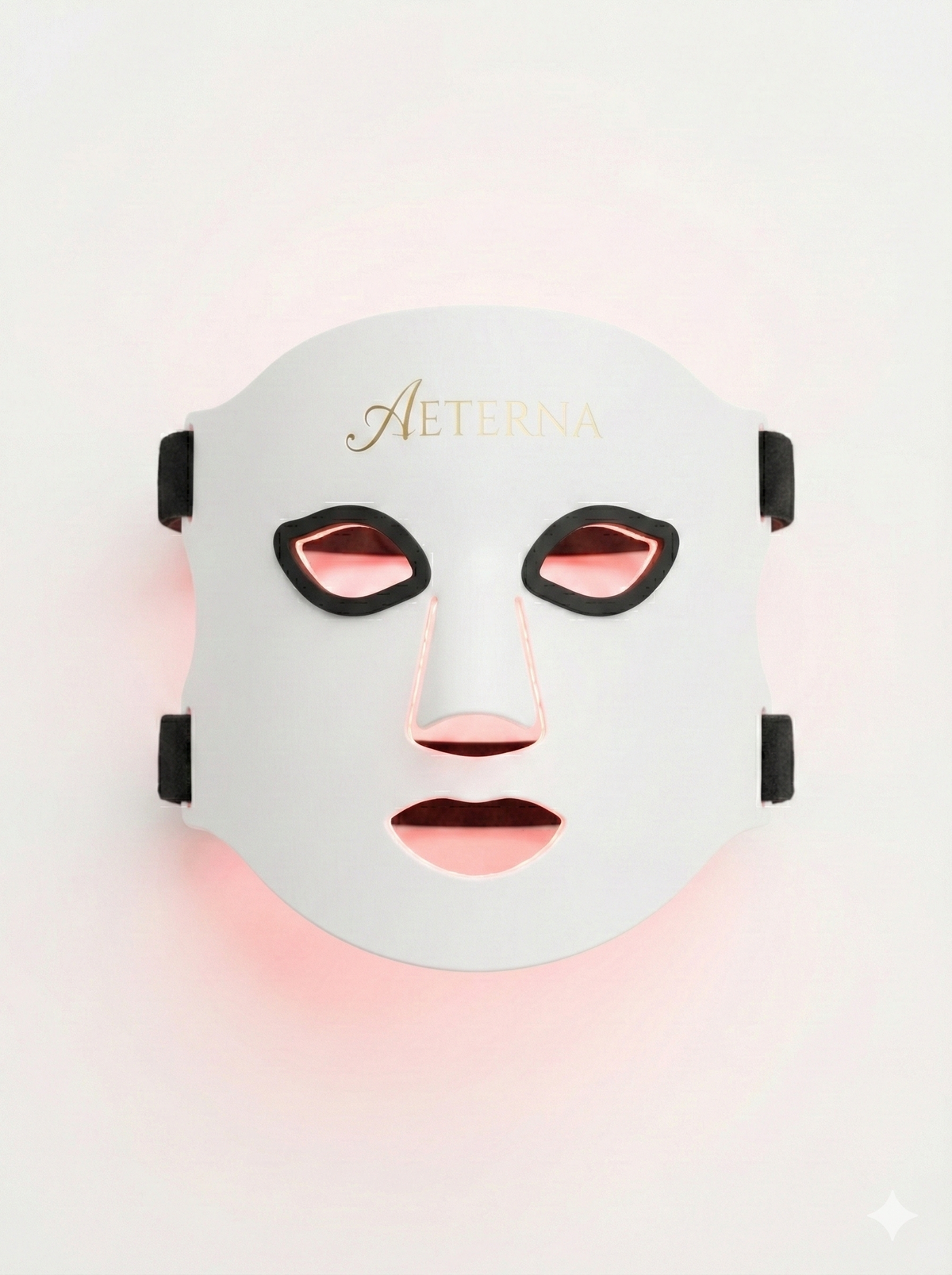
While blue light kills the bacteria, it doesn't address the collateral damage: the swelling, redness, and potential for scarring. This is where the red light therapy mask for face becomes essential.
Red light (typically 630nm–660nm) penetrates deeper than blue light, reaching the dermal layers where your "cellular powerhouses"—the mitochondria—reside.
-
Reduced Inflammation: Red light triggers a decrease in pro-inflammatory cytokines (like IL-1β and IL-6), which calms the "angry" look of a breakout.
-
Accelerated Repair: By stimulating ATP (cellular energy), it speeds up the healing of current blemishes, preventing them from turning into long-term scars.
-
LED Mask for Skin Rejuvenation: Beyond acne, the red wavelengths stimulate collagen production, making it a dual-purpose tool for those looking to firm the skin while clearing it.
Why Synergy Wins: The Blue + Red Combo
Recent research has shifted from using "just blue" to "blue plus red." A landmark study in the British Journal of Dermatology found that while blue light alone is effective, a combined therapy of blue and red light resulted in a 76% improvement in inflammatory acne after 12 weeks—a result significantly higher than using blue light on its own.
Using an LED face mask red light therapy system that offers both wavelengths allows you to attack the acne cycle at two different stages:
-
Blue Light acts as the preventative shield, keeping bacterial colonies in check.
-
Red Light acts as the recovery agent, ensuring the skin remains resilient and youthful.
Choosing the Best Red Light Therapy Mask
With the market flooded with options, how do you find the best red light therapy mask for your specific needs? Science suggests looking for three non-negotiables:
-
Specific Wavelengths: Ensure the device uses 415nm for blue and 630-660nm for red.
-
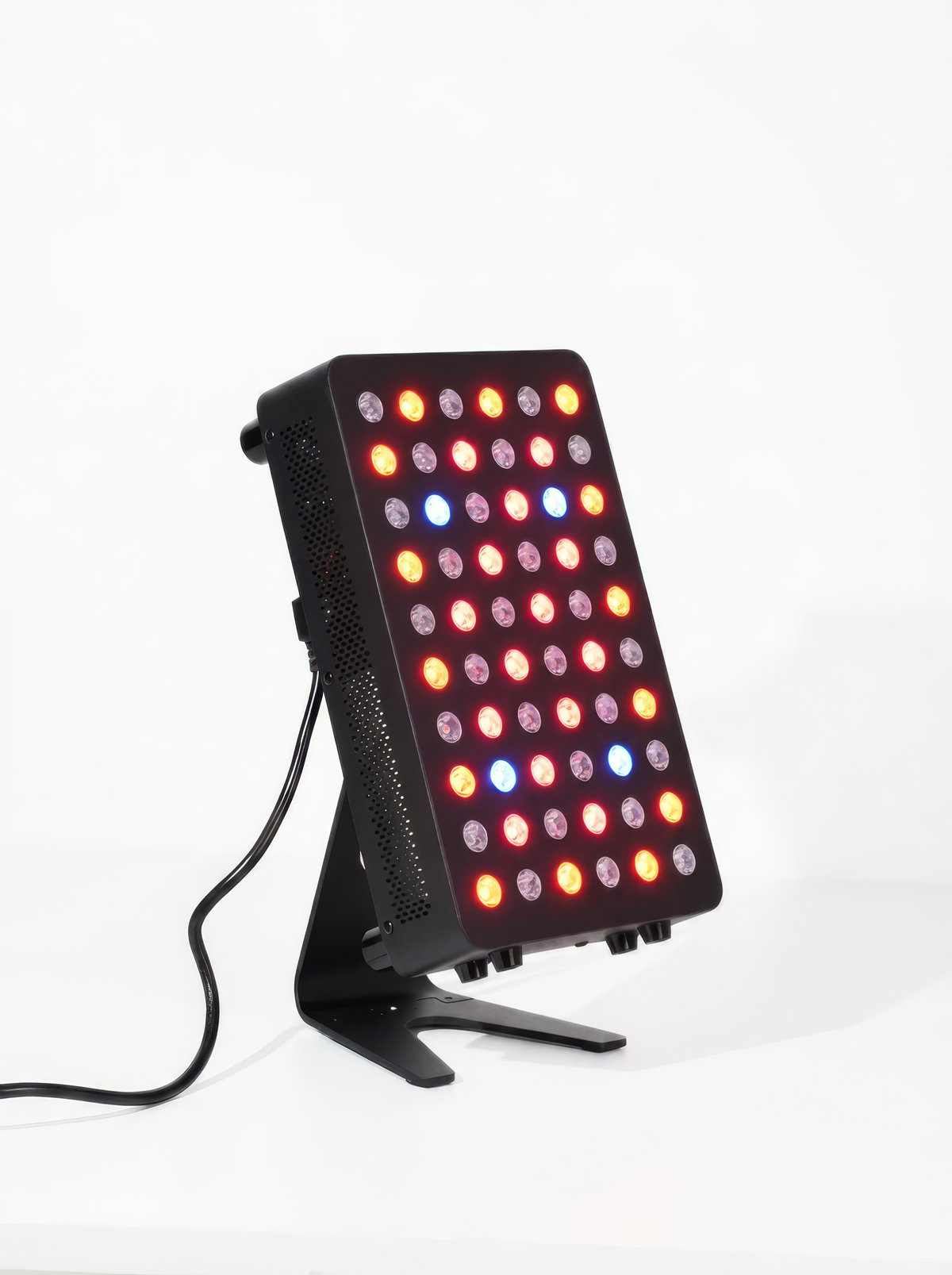
Irradiance (Power): The light needs to be strong enough to actually reach the cells. Professional-grade at home red light therapy masks are now designed with high-density LED arrays to mimic clinical results.
-
Consistency: Unlike a facial, a red light therapy facial mask works through cumulative exposure. Most successful studies involve 10-20 minute sessions, 3 to 5 times per week.
The Verdict: Is it Worth It?
If you are tired of the "cycle of dryness" caused by topical chemicals, an LED face mask red light therapy session offers a non-invasive, UV-free alternative. It is one of the few skincare investments that actually improves the skin's health at a mitochondrial level while providing immediate anti-inflammatory relief.
For those seeking the ultimate "clear skin" toolkit, the science is clear: stop choosing between blue or red, and start using them together.
Supporting Research References:
-
JAMA Dermatology (2024): "Efficacy and Safety of At-Home Phototherapy Devices for Acne."
-
Journal of Clinical and Aesthetic Dermatology: "The Role of LED Therapy in the Management of Acne Vulgaris."
-
British Journal of Dermatology: "Blue and Red Light Combination Therapy for Acne Vulgaris: A Randomized Controlled Trial."
- This content is for informational purposes only and is not medical advice.