


Introduction: Beyond the Glow
If you’ve spent any time researching modern wellness, you’ve likely asked: "Does red light therapy work?" It’s a fair question. What looks like a simple colored light is actually a sophisticated biological trigger. Known scientifically as photobiomodulation, this technology uses specific wavelengths of light to "recharge" your cells.
Whether you are looking for the best red light therapy mask to erase fine lines or a high-powered LED panel for post-workout recovery, understanding the science is the first step to seeing real results.
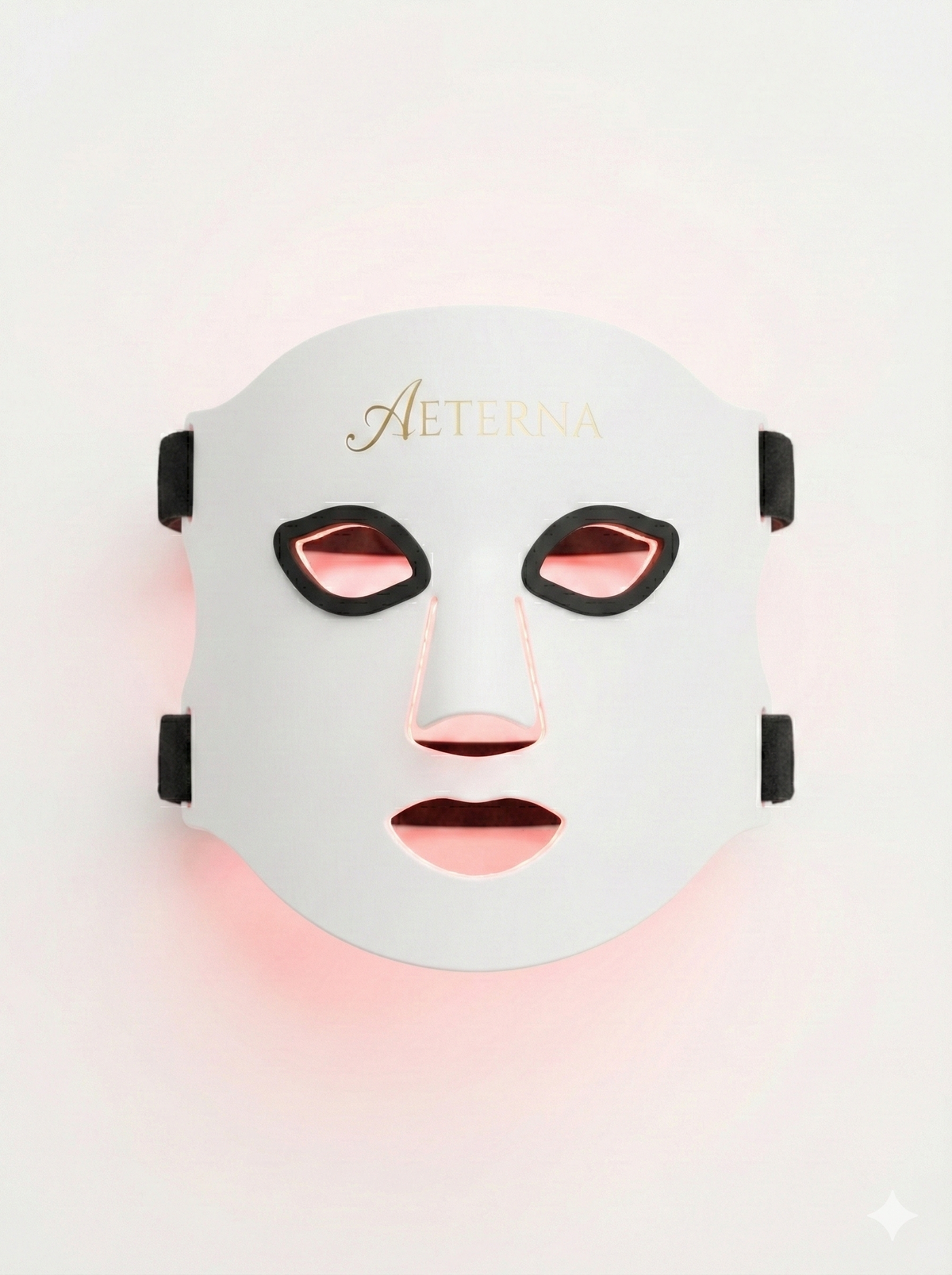
1. The Face: Reversing Time with LED Face Mask Red Light Therapy
For most people, the entry point into this world is the red light therapy mask for face. But not all masks are created equal. A true LED mask for skin rejuvenation works by emitting red light (630-660nm) that penetrates the dermis to stimulate fibroblasts—the cells responsible for collagen production.
-
The Anti-Aging Powerhouse: Regular use of a red light therapy facial mask has been clinically shown to reduce the depth of wrinkles and improve skin elasticity.
-
The Synergy of Blue Light: When you combine red light with blue light (415nm), you create an environment where acne-causing bacteria cannot survive, while the red light heals the inflammation left behind.
-
Why Vecaxo? An at home red light therapy mask should offer medical-grade silicone and cordless freedom, allowing your "Quiet Luxury" ritual to fit into a busy schedule.
2. The Scalp: Red Light Therapy for Hair Growth
One of the most exciting breakthroughs in recent years is the use of red light therapy for hair growth. For those experiencing thinning or loss of density, the red light therapy hat offers a non-invasive, chemical-free alternative to topical foams.
The light works by increasing blood flow to the hair follicles and extending the "Anagen" (growth) phase of the hair cycle. Unlike temporary fixes, this addresses hair health at the follicular level.
3. The Body: Red Light Therapy for Muscle Recovery
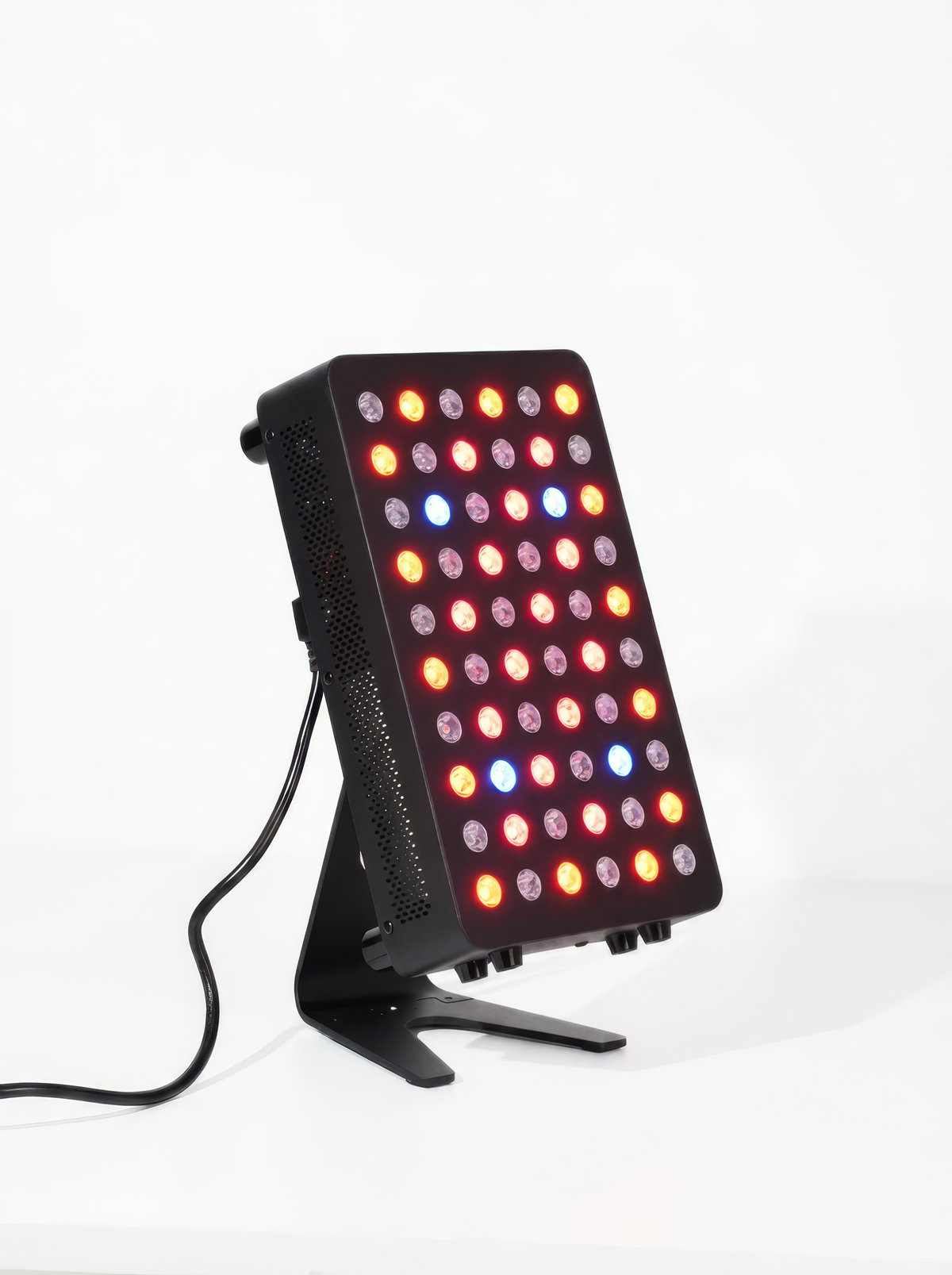
While masks treat the surface, red light therapy panels are designed for deep tissue penetration. This is a favorite among athletes and high-performers for red light therapy for muscle recovery.
By using Near-Infrared (NIR) light at 850nm, these panels reach the muscles and joints to:
-
Reduce oxidative stress after intense exercise.
-
Speed up the repair of micro-tears in muscle fibers.
-
Lower systemic inflammation that causes joint stiffness.
4. The Science: Why Wavelength and Irradiance Matter
The red light therapy benefits for skin and body are entirely dependent on two factors: Wavelength and Irradiance.
-
Wavelength: If your device isn't hitting the "Optical Window" (660nm and 850nm), the light will simply bounce off the skin without triggering a cellular response.
-
Irradiance: This is the "dose" of the light. A high-end at home red light therapy mask provides enough power to ensure the photons actually reach your mitochondria.
Conclusion: Investing in Your Future Self
Red light therapy isn't a "quick fix"—it’s a biological investment. Whether you are using a red light therapy facial maskto maintain a youthful complexion or using panels to stay active and pain-free, consistency is the key.
By choosing a professional-grade system that focuses on clinical wavelengths, you are moving past the "TikTok hype" and into a lifestyle of science-backed vitality.
Why this blog will drive traffic:
-
Keyword Density: It naturally weaves in your "Core Money" keywords to help you rank for high-buying-intent searches.
-
Pillar Content: By covering the mask, hat, and panels in one place, Google sees this as an "Authority" page, which boosts the SEO of your entire Shopify store.
-
Educational Trust: It answers common questions like "Does red light therapy work?" and explains how, which lowers the barrier to purchase for a $350+ product.
This content is for informational purposes only and is not medical advice.