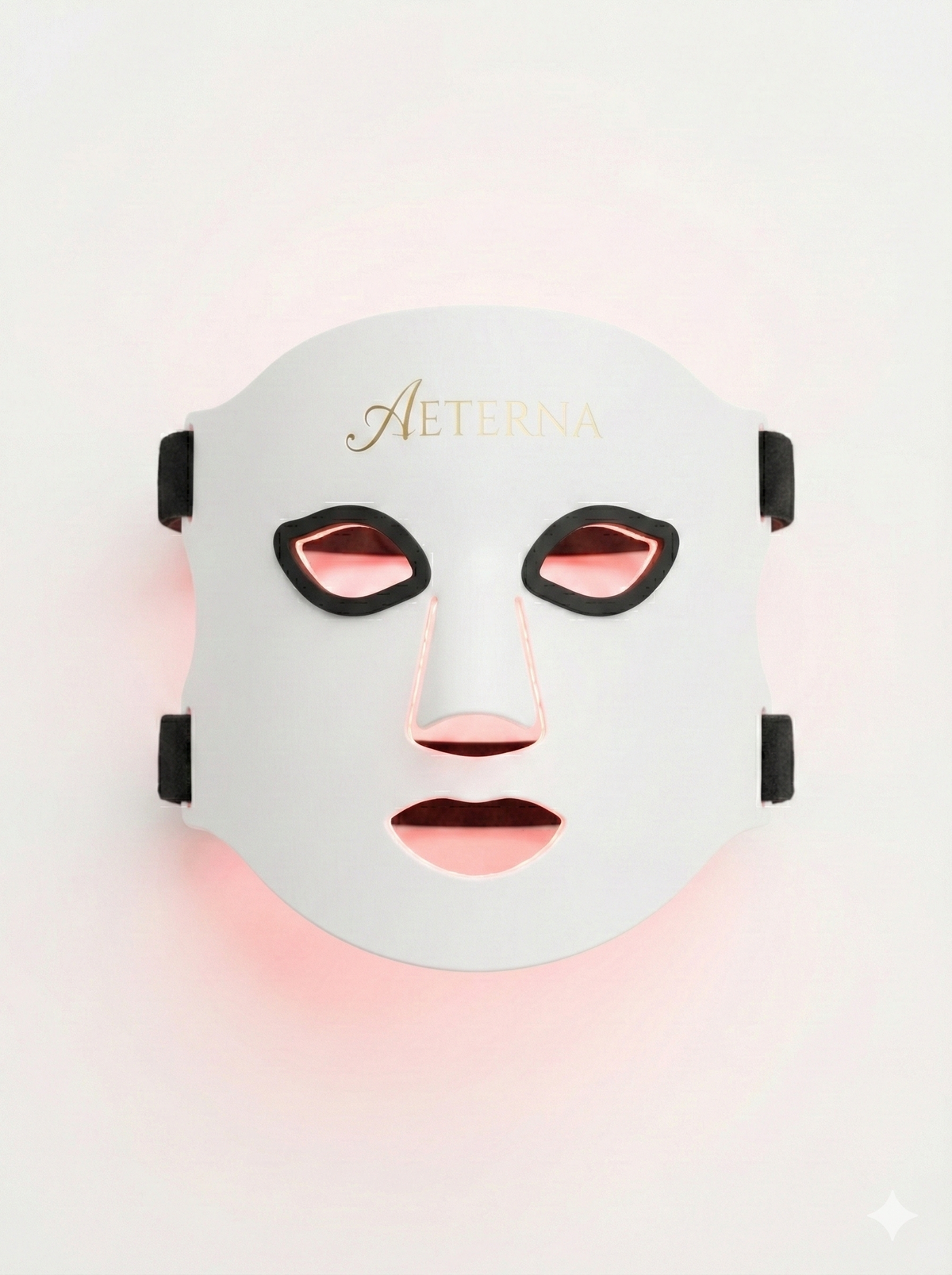

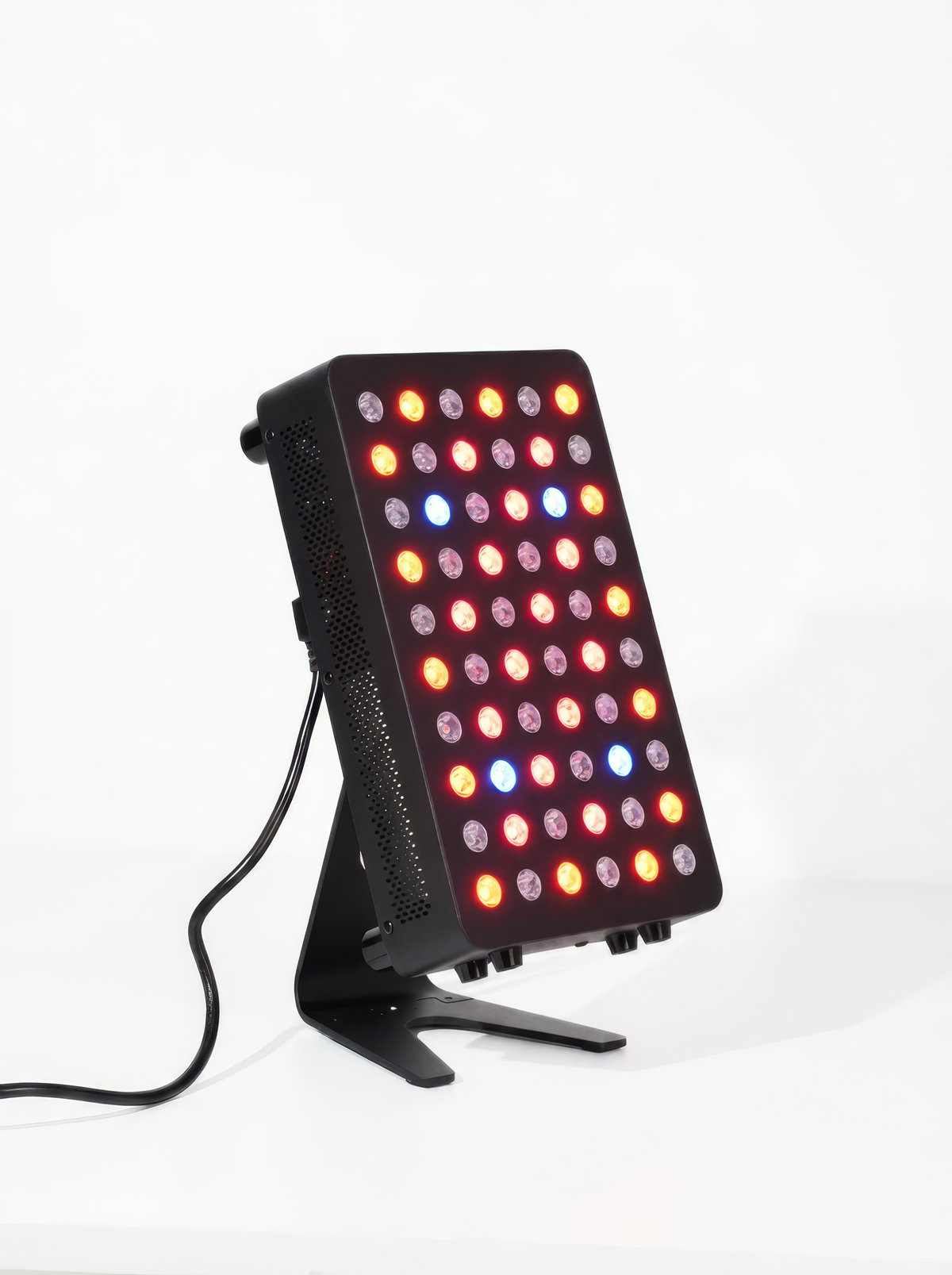


If you’ve noticed fine lines, deeper wrinkles, or sagging skin in the mirror, you’re not alone — signs of aging are a natural part of life. Fortunately, there’s a growing body of research on red light therapy (RLT) and its potential to help reduce visible signs of aging and support healthier skin. Unlike cosmetic procedures that involve needles or downtime, red light therapy offers a non-invasive, gentle approach to skin rejuvenation rooted in cellular biology.
Below, we explore how it works, what studies show about its effectiveness on wrinkles and skin aging, and how it compares with other anti-aging strategies.
What Is Red Light Therapy and Why It Matters for Aging Skin
Red light therapy — also commonly called photobiomodulation (PBM) — uses specific wavelengths of red and near-infrared light to deliver low-energy light to the skin. This light isn’t the harmful UV kind from the sun; instead, it penetrates into deeper skin layers without heat or damage and interacts with cells in ways that can support rejuvenation. ([turn0search3]; [turn0search5])
At the heart of many anti-aging benefits is collagen production. Collagen is a structural protein that gives skin its firmness and elasticity, but its production naturally declines with age — leading to wrinkles, sagging, and thinner skin.
Red light therapy helps stimulate:
-
Collagen and elastin synthesis
-
Cellular energy production (ATP)
-
Healthy cell signaling and tissue repair
-
Reduced oxidative stress and inflammation
This combination may help the skin regain some firmness and improve texture with repeated treatments. ([turn0search0]; [turn0search6])
What the Research Actually Says
1. Evidence for Reducing Wrinkles and Improving Skin Quality
A 2023 clinical study involving LED red light masks showed that participants using red light therapy over several months experienced visible improvements in wrinkles, skin firmness, elasticity, and overall texture. These changes were measurable with dermatological tools and persisted for weeks after treatment ended — suggesting structural changes rather than superficial effects. ([turn0search0]; [turn0search24])
2. Collagen Stimulation and Skin Density
Decades of research into low-level light therapy show that red light can increase collagen production by activating fibroblasts — the skin cells responsible for building collagen and elastin. These effects help reduce wrinkle depth and smooth fine lines over time, although changes are gradual rather than instant. ([turn0search6]; [turn0search13])
Other studies also confirm that combining red and near-infrared wavelengths may enhance rejuvenation effects, as they work at different depths in the skin to promote collagen synthesis and tissue remodeling. ([turn0search16])
3. Quantifiable Anti-Wrinkle Results
Research suggests that consistent red light protocols can reduce wrinkle severity and improve skin firmness. For example, some analyses show notable reductions in wrinkle volume and significant improvements in collagen metrics when properly applied over 8–12 weeks. The degree of improvement varies across studies and individuals, but trends point toward modest yet meaningful benefits. ([turn0search15]; [turn0search21])
How Red Light Therapy Works at the Cellular Level
To understand the anti-aging effects, it helps to know what’s happening at the cellular level:
-
Mitochondrial Stimulation:
Red light is absorbed by chromophores in skin cells, especially in mitochondria — the energy centers. This increases ATP production, fueling cell repair and regeneration. ([turn0search3]) -
Collagen Remodeling:
Increased cellular energy encourages fibroblasts to produce collagen and elastin, proteins that give skin its strength and elasticity. Over time, this can help reduce wrinkle depth and improve skin texture. ([turn0search22]) -
Reduced Oxidative Stress:
Aging and sun exposure increase oxidative stress, which contributes to collagen breakdown. Red light therapy appears to reduce oxidative stress markers while enhancing cellular repair pathways. ([turn0search0])
Together, these processes help support skin structure and resilience, leading to smoother, firmer skin with regular use.
Comparison: Red Light vs. Other Anti-Aging Treatments
Here’s how red light stacks up against more traditional anti-aging approaches:
|
Approach |
How It Works |
Typical Results |
|
Red Light Therapy |
Stimulates collagen, improves cellular energy |
Gradual smoothing of fine lines and improved skin quality |
|
Topical Retinoids |
Boosts cell turnover and collagen indirectly |
Faster visible results, can cause irritation |
|
Microneedling |
Creates micro-injuries to stimulate repair |
Strong collagen response, some downtime |
|
Laser Resurfacing |
Ablates skin layers and triggers repair |
More dramatic results with recovery period |
|
Fillers & Botox |
Physically alters appearance |
Immediate effects but doesn’t improve skin biology |
Red light therapy is gentler with minimal downtime, making it an appealing option for people who want to support skin health over time. Many dermatologists recommend using it as part of a broader anti-aging regimen rather than as a standalone miracle treatment. ([turn0search5]; [turn0search3])
Realistic Expectations and How to Use It
Red light therapy offers supportive anti-aging benefits, but it’s not a quick fix. Here’s what to expect:
📌 Consistency is key: Benefits tend to build over regular sessions, often 3–5 times per week for several weeks.
📌 Device quality matters: Light wavelength and intensity influence how deeply and effectively the therapy penetrates the skin.
📌 Combine with healthy habits: Sun protection, nutrition, hydration, and skincare can enhance results.
📌 Gradual changes: Improvements in wrinkles and elasticity often appear over weeks to months, not immediately.
Experts agree that while red light therapy can meaningfully improve skin quality, it works best when paired with other evidence-based skin-care practices. ([turn0search5]; [turn0search3])
Safety and Side Effects
Red light therapy is generally safe for most people. Unlike UV light from the sun — which accelerates aging and increases cancer risk — red and near-infrared light do not carry the same DNA-damaging effects. Home devices and professional systems using the correct wavelengths are typically well-tolerated with minimal side effects. ([turn0search3]; [turn0search5])
Still, it’s wise to follow manufacturer guidance and consult a dermatologist if you have specific skin conditions or are concerned about treatment interactions.
Conclusion: A Supportive Tool for Aging Skin
Red light therapy isn’t a magic wrinkle eraser, but it’s supported by scientific evidence as a non-invasive, gentle way to improve skin quality and support anti-aging processes. Studies show that it can stimulate collagen production, reduce signs of aging like fine lines and wrinkles, and enhance overall skin texture with consistent use. ([turn0search0]; [turn0search24])
If you’re seeking a way to support your skin’s natural structure without invasive procedures, red light therapy may be a valuable part of a comprehensive skincare routine — especially when used alongside sun protection, healthy lifestyle habits, and other dermatologist-recommended treatments.
This content is for informational purposes only and is not medical advice.