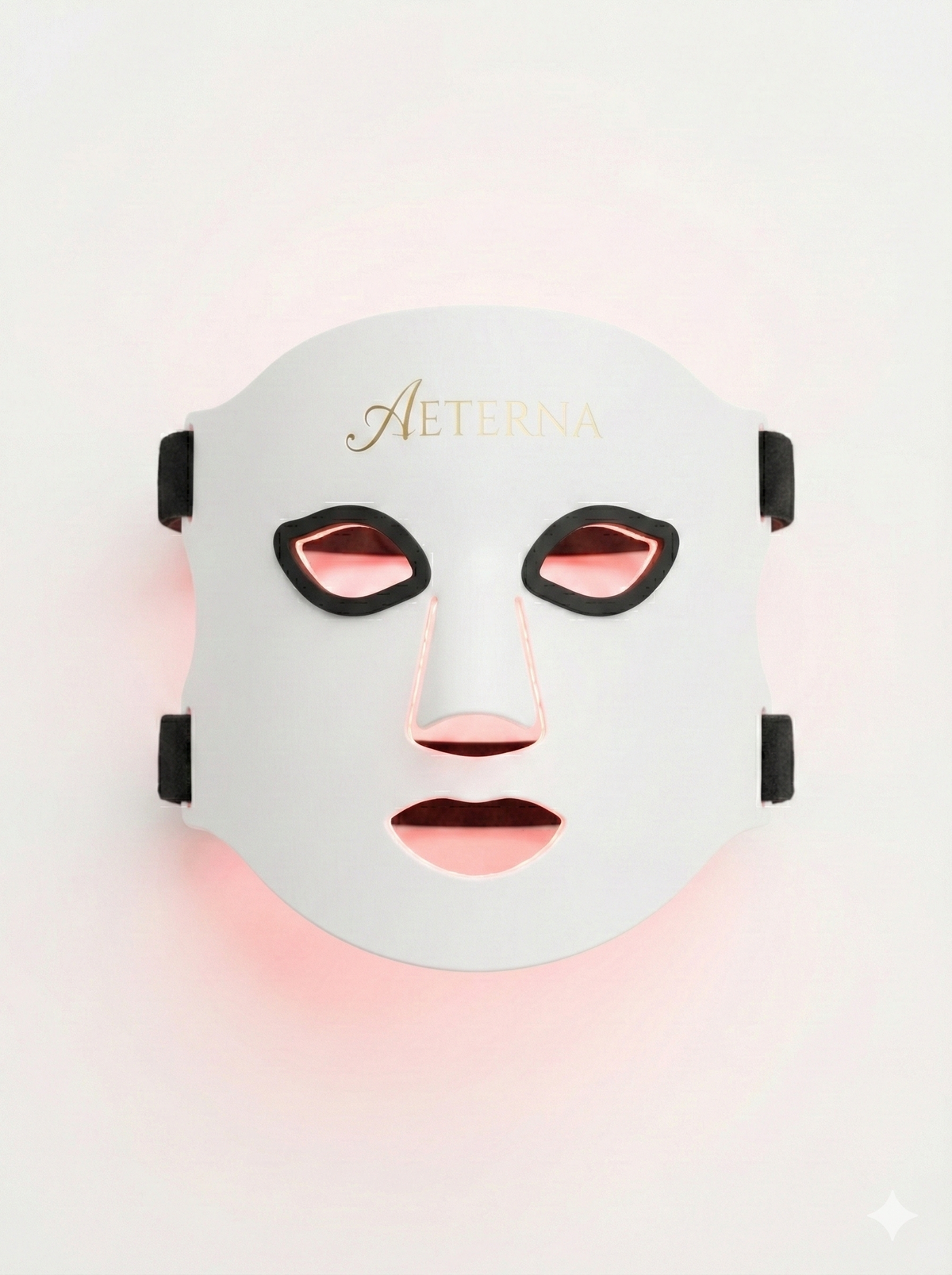

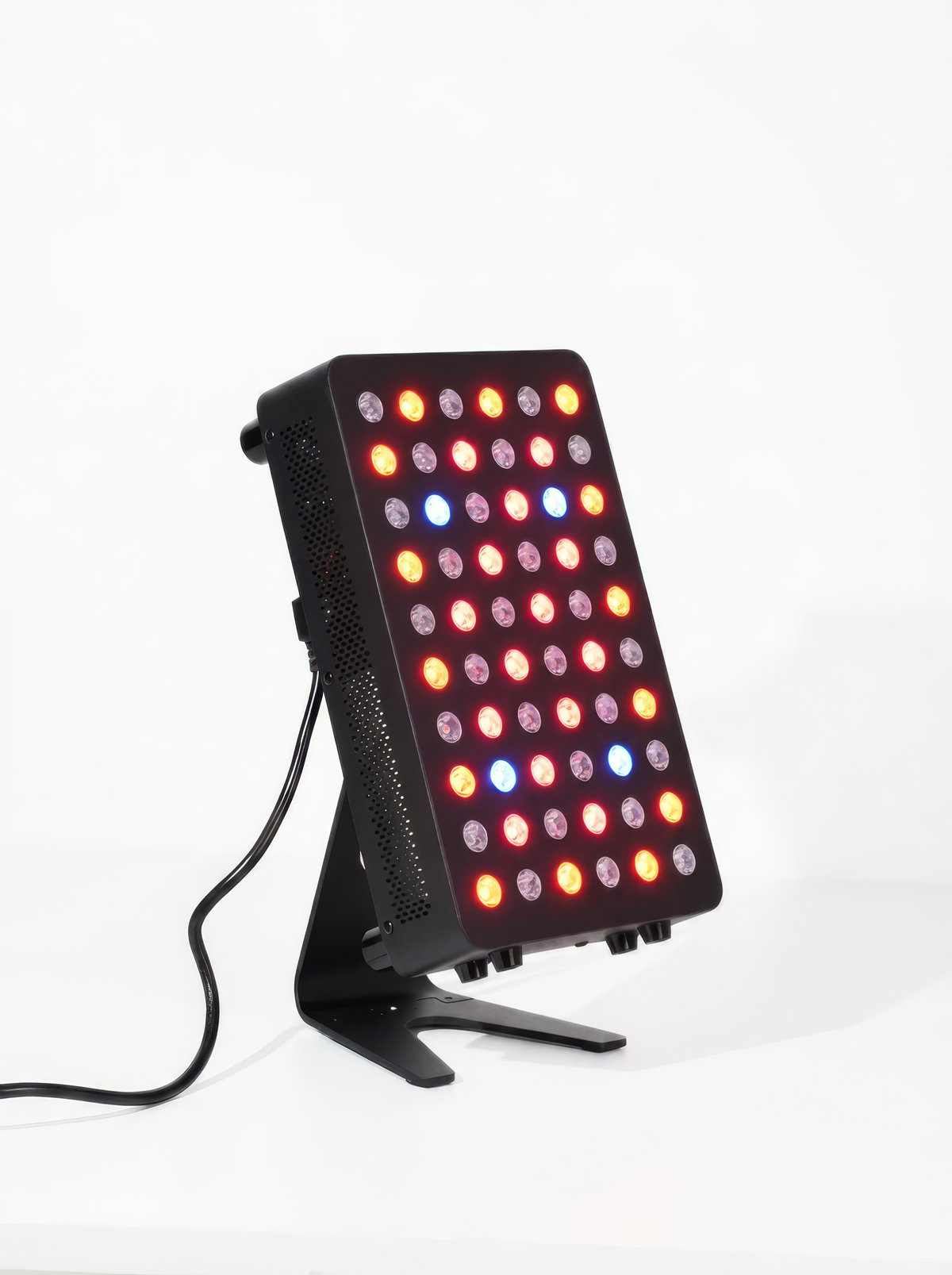


Summer is often associated with abundant sunshine, outdoor activity, and seasonal health benefits — but that doesn’t mean therapeutic light like red light therapy loses its value. In fact, summer can enhance how and when you use red light as part of a well-being routine, and understanding the distinctions between red light therapy and natural sunlight helps you use both wisely. Below, we dive into how red light therapy supports wellness in the summer — with science-backed insights and a fresh perspective.
Sunlight and Red Light: What’s Similar — and What’s Different?
Most people know that sunlight offers health perks — like vitamin D production and mood-boosting effects. Getting outside for 10–30 minutes in daylight can improve vitamin D levels and enhance mood and sleep patterns through circadian rhythm support.
But red light therapy is not a substitute for sunlight — especially because it does not trigger vitamin D synthesis. Red and near-infrared wavelengths don’t activate the processes that make vitamin D in your skin. Instead, red light works at a cellular level by stimulating biological processes deep under the surface — and it complements sunlight rather than replacing it.
This distinction matters in summer: you can enjoy the benefits of vitamin D from the sun and use red light to support other wellness goals.
Why Red Light Therapy Is Still Valuable in Summer
1. Supports Cellular Energy and Recovery All Year Long
Whether indoors or outside, your cells benefit from increased energy production. Red and near-infrared light are absorbed by mitochondria — the energy factories in every cell — helping them produce more ATP, the fuel that powers healing and regeneration.
This process continues regardless of the season, meaning red light therapy remains relevant even when you already spend time outdoors. Summer activities like hiking, swimming, or gardening can stress muscles and connective tissue — and red light therapy may help support recovery and reduce inflammation by enhancing cellular repair processes.
2. Inflammation Reduction Comes Through Consistent Use
Inflammation can be triggered by heat, intense exercise, and environmental stressors — all common in summer. Red light therapy has been shown to help modulate inflammation and enhance cellular healing through photobiomodulation pathways that affect immune signaling and mitochondrial function.
Even in summer, these anti-inflammatory effects may help ease muscle soreness, joint discomfort, and skin irritation after sun exposure or physical activity.
3. Skin Health and Repair — Beyond Sun Protection
Summer brings sun exposure, chlorine, salt water, and wind — all of which can take a toll on skin. While red light doesn’t protect against UV damage, it supports skin health by stimulating collagen production and enhancing cellular repair processes. Studies suggest that red light therapy can improve the appearance of skin, reduce redness, and support wound healing.
In fact, clinical research suggests red light may boost collagen synthesis and collagen density, which helps maintain skin elasticity and resilience. This makes red light therapy a useful complement to your summer skincare routine — especially after long days in the sun.
Does Red Light Therapy Help Mood or Energy in Summer?
While most discussions about light therapy and mood focus on winter or seasonal affective disorder (SAD), red light therapy’s cellular mechanisms can still support general mood and energy outside of seasonal contexts. Red and near-infrared light have been linked with increases in cellular energy and potentially neurotransmitter function, offering a calming effect and reduced inflammation that some people associate with better overall wellbeing.
That said, exposure to natural bright daylight also plays a major role in mood and circadian regulation. Light boxes used for SAD primarily mimic broad-spectrum daylight — not specifically red wavelengths — and have strongest effects in darker seasons. Summer’s long days naturally give you more bright light exposure, which can lift mood and support circadian rhythms without needing extra light therapy — but red light can still enhance cellular functions beneath the surface at the same time.
Summer Red Light Therapy: Practical Tips
If you want to incorporate red light therapy into your summer routine, here are a few research-aligned pointers:
✔ Use it consistently: Benefits like inflammation reduction and cellular repair often build over time rather than after a single session.
✔ Combine with outdoor time: Enjoy safely timed sunshine for vitamin D and natural mood support, and use red light for recovery and skin support afterward.
✔ Protect your skin: Red light does not protect against UV damage — sunscreen and protective clothing remain essential.
✔ Target post-activity recovery: After hiking, running, swimming, or sports, red light can help support muscle recovery and cell repair.
How Red Light Fits With Summer Wellness Goals
Summer tends to focus on outdoor health: vitamin D synthesis, mood, and active movement. Red light therapy doesn’t replace those benefits, but it works behind the scenes to support the physiology that underpins them. Consider red light as a wellness supplement — similar to how hydration or sleep supports summer performance — rather than a sun substitute.
By harnessing both natural light and red light therapy, you get a fuller spectrum of benefits: sunlight supports vitamin D production and circadian rhythm, while red light supports cellular energy, inflammation reduction, and tissue repair at a deep biologic level.
Quick Summer Red Light Benefits at a Glance
-
Cellular energy support: stimulates mitochondria for better ATP production.
-
Inflammation modulation: supports repair after physical activity or heat stress.
-
Skin support: may improve skin resilience and repair.
-
Mood and wellbeing: complements natural light exposure.
Conclusion
Summer doesn’t make red light therapy obsolete — it simply shifts the way you might use it. While natural sunlight offers vitamin D and broad light exposure that enhances mood and circadian rhythms, red light therapy provides a distinct, supportive advantage at the cellular level that supplements your outdoor lifestyle.
Whether you’re focused on post-activity recovery, inflammation support, or skin health after sun exposure, integrating red light therapy into your warm-weather routine can be a smart, science-aligned way to boost your overall summer wellness — not instead of the sun, but alongside it.
This content is for informational purposes only and is not medical advice.