


Introduction
Aging skin is a universal concern — from fine lines and sagging to loss of glow and firmness. But with the rise of light-based technologies like red light therapy and infrared therapy, many people are asking a key question:
Which one works better for anti-aging: red light therapy or infrared therapy?
In this post, we’ll break down both therapies, explore the science behind them, and explain which one is more effective for visible skin results — especially when using an at-home red light therapy mask.
What Are Red Light and Infrared Light?
Red Light Therapy (RLT)
Red light therapy uses visible wavelengths typically between 620–700 nanometers (nm). These wavelengths penetrate the skin just deep enough to influence cellular function, without heat or damage.
Common benefits:
-
Stimulates collagen production
-
Improves skin texture
-
Reduces fine lines and wrinkles
-
Enhances circulation for glow
These effects make red light therapy one of the most studied options for anti-aging skincare.
Infrared Light Therapy
Infrared therapy uses longer wavelengths (typically 700–1200 nm or more) that penetrate deeper into tissues. Because these wavelengths are outside the visible spectrum, people feel warmth but can’t see the light.
Infrared is often used in:
-
Muscle recovery
-
Joint pain relief
-
Deep tissue healing
While infrared has benefits for overall wellness, its effects on surface skin aging are less direct compared to red light.
Red Light vs Infrared for Skin: The Science
Collagen & Skin Firmness
Collagen is the protein that keeps skin plump and elastic — but its production declines with age.
Red light therapy boosts collagen by stimulating fibroblasts — the cells that make collagen. Clinical research shows RLT can:
-
Increase collagen density
-
Improve elasticity
-
Reduce wrinkle depth
One study found that regular use of red light significantly increased collagen production in skin layers — with results visible after several weeks of consistent application. (Journal of Clinical and Aesthetic Dermatology)
Infrared light, by contrast, targets deeper tissues but has limited evidence showing significant increases in surface collagen compared to red light.
Winner for collagen: Red light therapy.
Inflammation and Cellular Repair
Inflammation accelerates aging and slows repair. Both red and infrared light have anti-inflammatory effects, but research suggests:
-
Red light directly supports skin cell repair
-
Infrared helps deeper tissues, like muscles and joints
This makes RLT more relevant if your primary goal is skin tightening and wrinkle reduction.
Penetration Depth: Why It Matters
Light penetration determines which layers are affected:
|
Light Type |
Approx. Penetration |
Main Benefit |
|
Red Light |
Surface + mid-dermis |
Collagen + skin texture |
|
Infrared |
Deeper tissues |
Pain relief + muscle recovery |
For anti-aging specifically, you want action in the dermis — the layer where collagen lives. That’s why red light therapy generally outperforms infrared in improving visible skin aging.
Real-World Results: Red Light Therapy for Skin
Before & After Changes
Many dermatology studies report:
-
Reduced wrinkle depth
-
Improved elasticity
-
Brighter, smoother complexion
These changes are associated with consistent, regular use of red light therapy — not one-off sessions.
At-Home Use
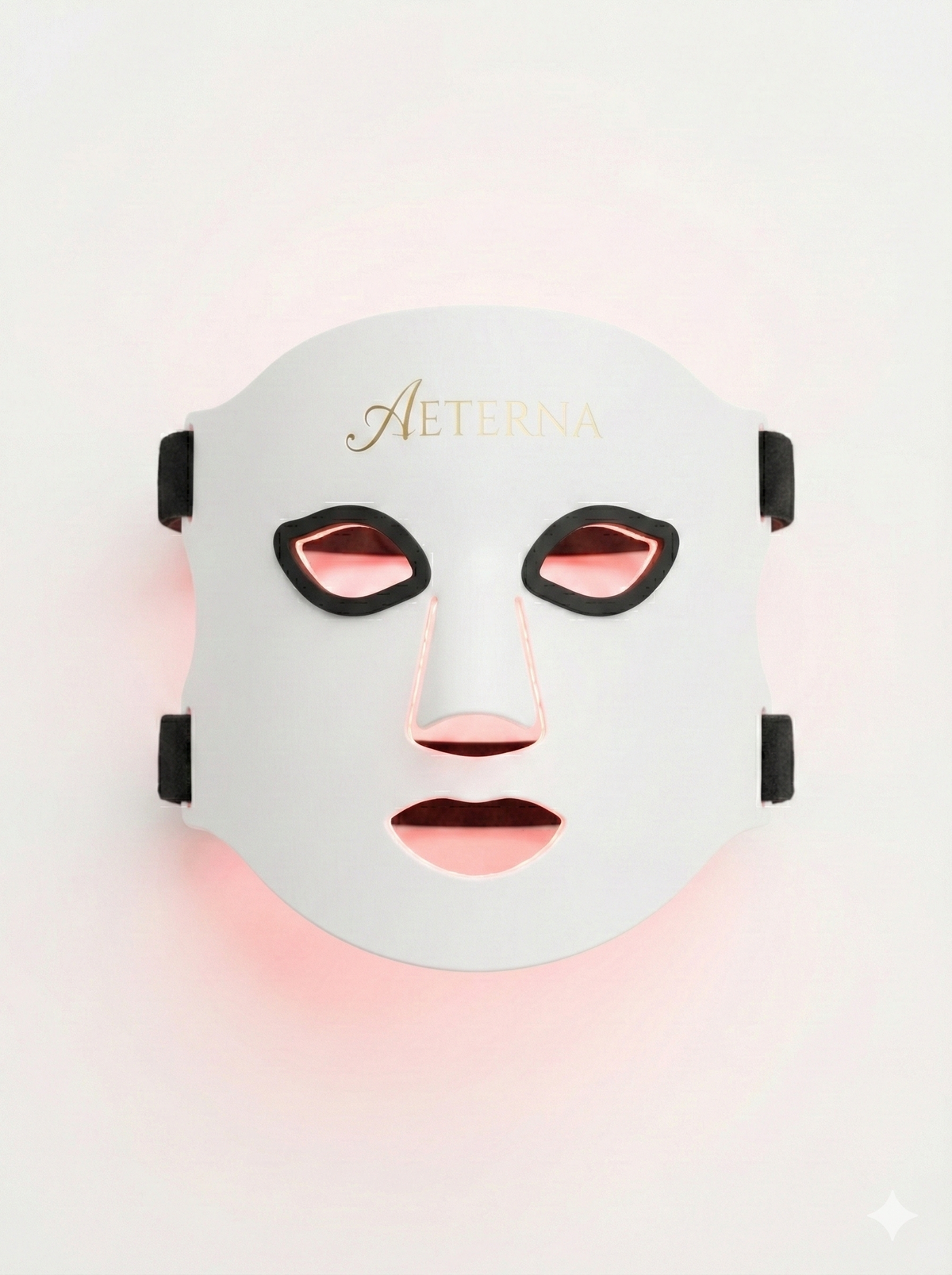
Devices like the LED face mask red light therapy have become popular because they deliver controlled, therapeutic wavelengths safely at home.
Benefits of an at home red light therapy mask:
Consistent daily use
Zero downtime
Non-invasive
Works alongside skincare routines
In clinical protocols, consistent treatment over 4–8+ weeks often shows measurable improvements.
Is Infrared Light Worth It for Skin?
Infrared has its place — especially for:
-
Muscle soreness
-
Joint stiffness
-
Deep tissue circulation
But if your goal is anti-aging visible skin changes, infrared alone is not your best option.
A combination of red + near-infrared can sometimes be used, but studies show red light produces more reliable results for collagen & texture.
Red Light Therapy vs Alternative Skincare Treatments
People often compare red light therapy to other anti-aging options:
Red Light vs Retinol
-
Retinol promotes cell turnover
-
Red light supports collagen without irritation
-
RLT is gentler and suitable for sensitive skin
Red Light vs Microneedling
Microneedling induces controlled injury to stimulate collagen, but can be:
-
Painful
-
Require downtime
-
Risk irritation
Red light offers non-invasive collagen stimulation with no downtime — perfect for long-term maintenance.
This content is for informational purposes only and is not medical advice.