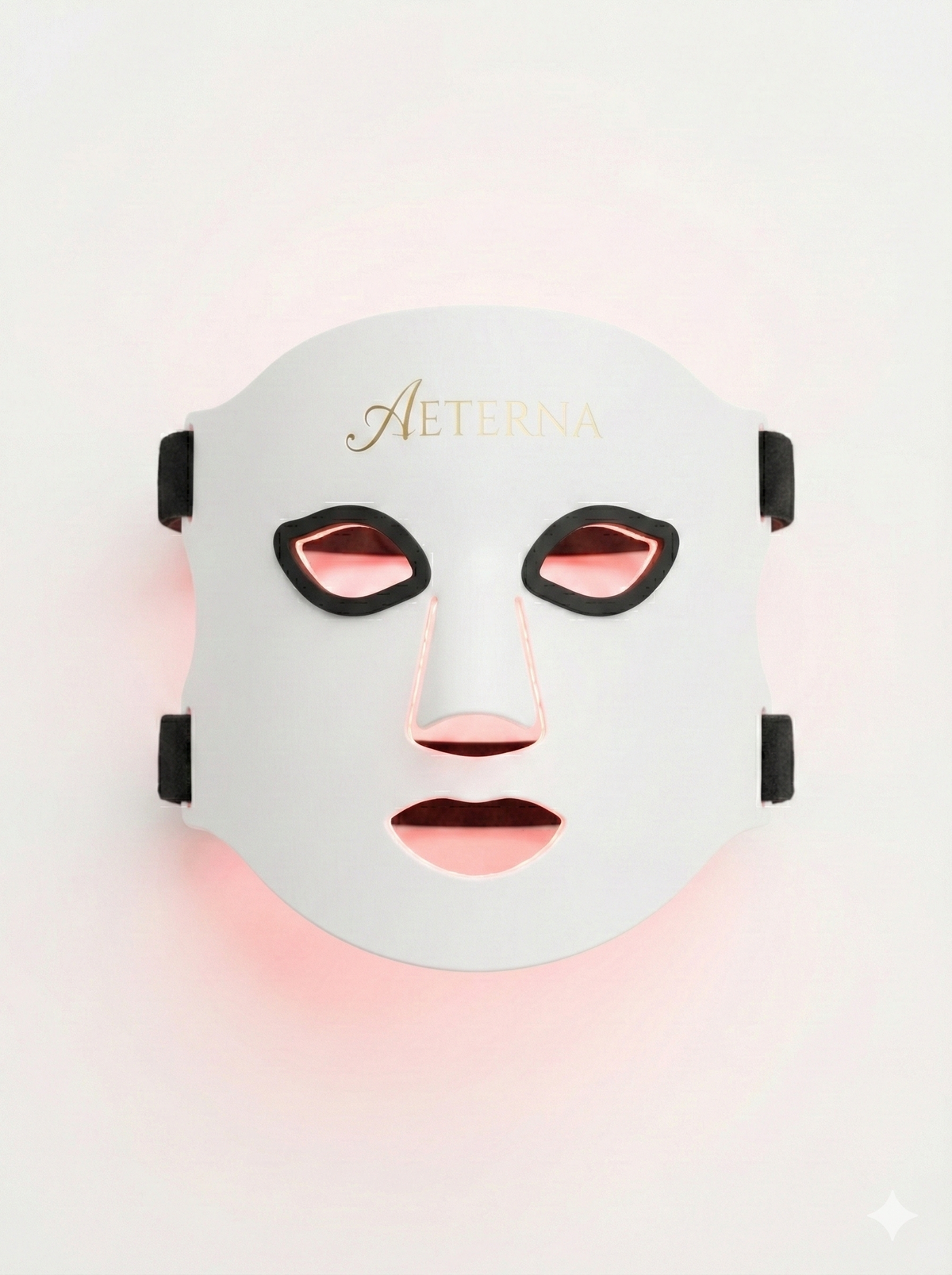

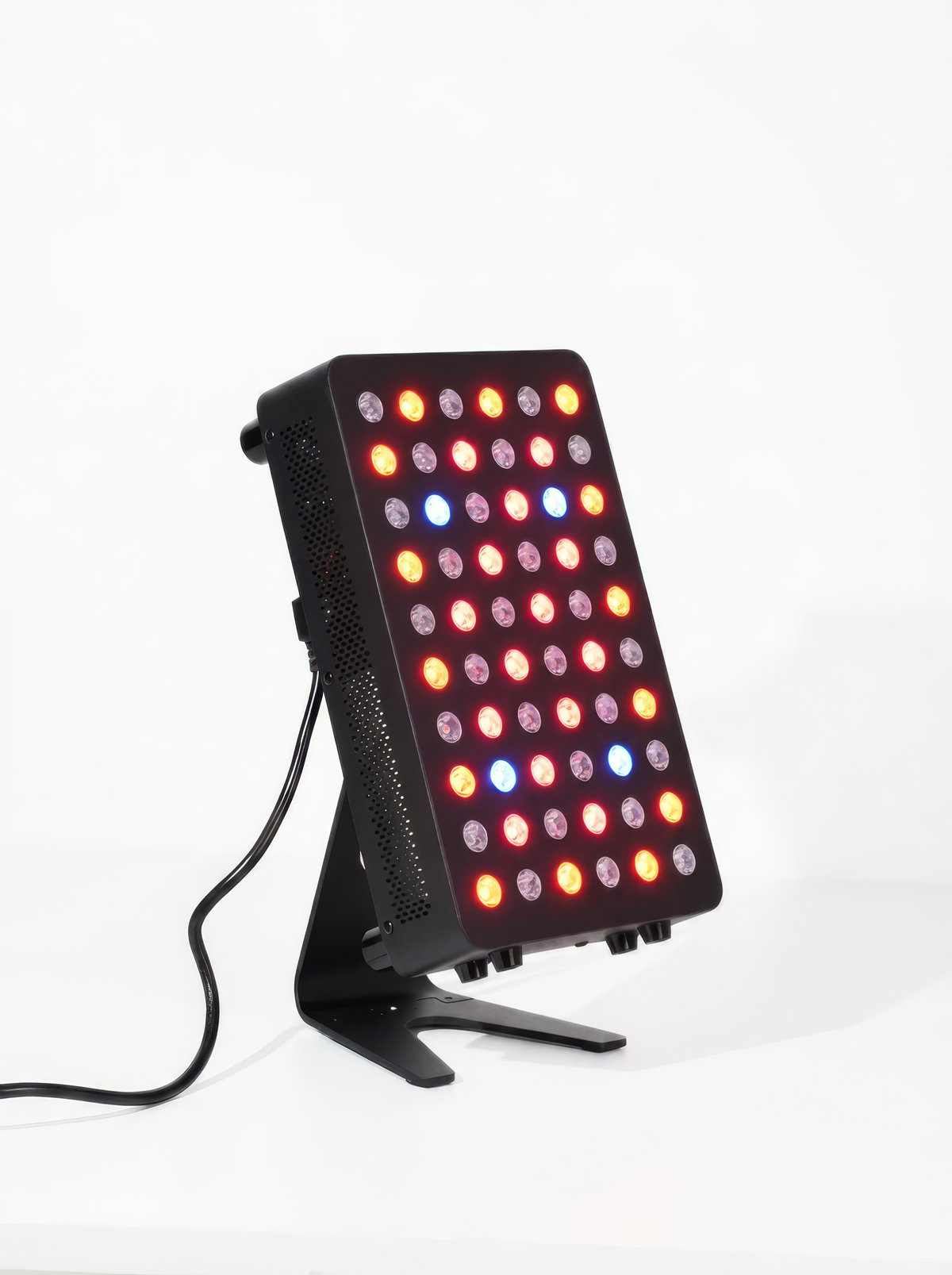


nflammation is a natural response — your body’s way of protecting itself after injury or irritation. But when inflammation becomes chronic, it can contribute to pain, stiffness, fatigue, and even slower healing. Inflammation shows up in many places: after an intense workout, around arthritic joints, or deep inside tissues where you can’t see swelling at all.
One emerging approach people are curious about is red light therapy — a gentle, non-invasive form of photobiomodulation (PBM) that uses specific light wavelengths to interact with cells. But how solid is the science behind its anti-inflammatory effects? Let’s break it down.
What Is Red Light Therapy and How Does It Work?
Red light therapy, also called photobiomodulation or low-level light therapy, uses non-thermal red and near-infrared light to trigger biological responses at the cellular level. Instead of heating tissue (like lasers used for cutting or resurfacing), PBM stimulates cells to work more efficiently — especially their mitochondria, the energy producers inside cells.
Here’s what this means in terms of inflammation:
-
Light influences cellular signaling pathways
-
It can alter pro- and anti-inflammatory molecules
-
It supports antioxidant defenses
-
It boosts blood flow and metabolism in affected tissues
These mechanisms create a fertile scientific foundation for PBM’s anti-inflammatory effects.
What the Research Says: Evidence for Inflammation Reduction
1. Cellular and Molecular Evidence
Several studies show that photobiomodulation affects key inflammation pathways. For example, a 2023 review found that PBM reduced pro-inflammatory cytokines — molecules the immune system releases during inflammation — and increased anti-inflammatory cytokines like IL-10 in experimental models.
This kind of balance between “pro-” and “anti-” inflammatory signals is crucial for resolving inflammation and preventing it from becoming chronic.
2. Reproducible Anti-Inflammatory Effects in Animal and Lab Models
According to longstanding research, one of the most consistent effects observed in studies is an overall reduction in inflammation across a variety of conditions — from joint inflammation to tissue injuries. PBM has been shown to lower markers of inflammation and lessen oxidative stress in cells.
In animal studies, PBM even reduced inflammatory infiltrate (the collection of immune cells that drive swelling) in fat tissue, suggesting systemic anti-inflammatory potential — not just localized effects at the light’s target site.
3. Effects in Humans: Early Trial Evidence
A 2023 clinical review that analyzed randomized controlled trials (RCTs) found multiple studies where PBM improved markers of inflammation and chronic pain. Some trials showed meaningful decreases in inflammation in human participants, although researchers noted the number of studies is still small and more research would help clarify effectiveness.
Other clinical data suggest that red light therapy can reduce tissue inflammation in conditions like chronic airway inflammation by modulating cytokines, improving lung function, and decreasing markers of inflammation in cells taken from real patients.
How Red Light Therapy Compares to Other Anti-Inflammatory Options
Inflammation can be addressed in many ways — from diet and exercise to medications like NSAIDs. Red light therapy isn’t meant to replace these approaches but may serve as a complimentary strategy with unique strengths:
✔ Red Light Therapy
-
Non-invasive and gentle
-
Works by reducing inflammatory signaling and oxidative stress at the cellular level
-
May support recovery and pain relief without drugs
✖ NSAIDs and Pain Relievers
-
Provide temporary relief but don’t enhance tissue repair
-
Can have side effects with long-term use
✔ Lifestyle Changes (diet, sleep, movement)
-
Target root contributors to chronic inflammation
-
Are often necessary for long-term wellness
In this context, red light therapy can bridge the gap between lifestyle approaches and conventional treatments. It may help manage inflammation more holistically, especially when chronic irritation interferes with daily life.
Common Uses People Explore for Inflammation Relief
While more large-scale studies are underway, current research and clinical observations suggest PBM may help with:
-
Joint and muscle inflammation (e.g., after exercise or injury)
-
Arthritis-related inflammation and pain
-
Inflammatory skin conditions
-
Inflammation after chronic tissue stress
-
Post-operative inflammation support
Some pain relief studies have reported that PBM reduces discomfort tied to inflammation, which often indicates that inflammatory processes are being moderated.
Realistic Expectations: What to Know Before Trying It
📌 It’s not an instant fix. Inflammation is complex, and results tend to build over multiple sessions rather than after a single exposure.
📌 Personal results vary. Healing responses depend on factors like age, overall health, and the nature of the inflammatory condition.
📌 Device and parameters matter. Wavelength, treatment duration, and dose repeatability influence how deeply the light penetrates tissue and how effective the results may be.
📌 Best used as part of a broader plan. PBM works well alongside other anti-inflammatory strategies — physical therapy, movement routines, diet improvements, and professional guidance.
Safety and Considerations
Photobiomodulation is generally considered safe when used as directed — even for at-home devices. Because it doesn’t use UV radiation, it doesn’t carry the same risks associated with sun exposure or tanning.
That said, it’s important to follow safety instructions, protect the eyes if using close-up devices, and consult a healthcare provider before starting, especially if you have an underlying health condition or are unsure about interacting therapies.
Concluding Thoughts
Red light therapy for inflammation represents one of the most evidence-backed uses of photobiomodulation. Research shows compelling mechanisms — from cytokine modulation to oxidative stress reduction — and emerging clinical results support its anti-inflammatory potential in humans and animal models.
While it’s not a cure-all, red light therapy offers a non-invasive, well-tolerated approach to support inflammation management, pain relief, and tissue recovery when used consistently as part of a thoughtful wellness plan.
If you’re curious about integrating red light therapy into your routine for inflammation support, talk with a healthcare provider about how it fits your context and overall health goals.
This content is for informational purposes only and is not medical advice.