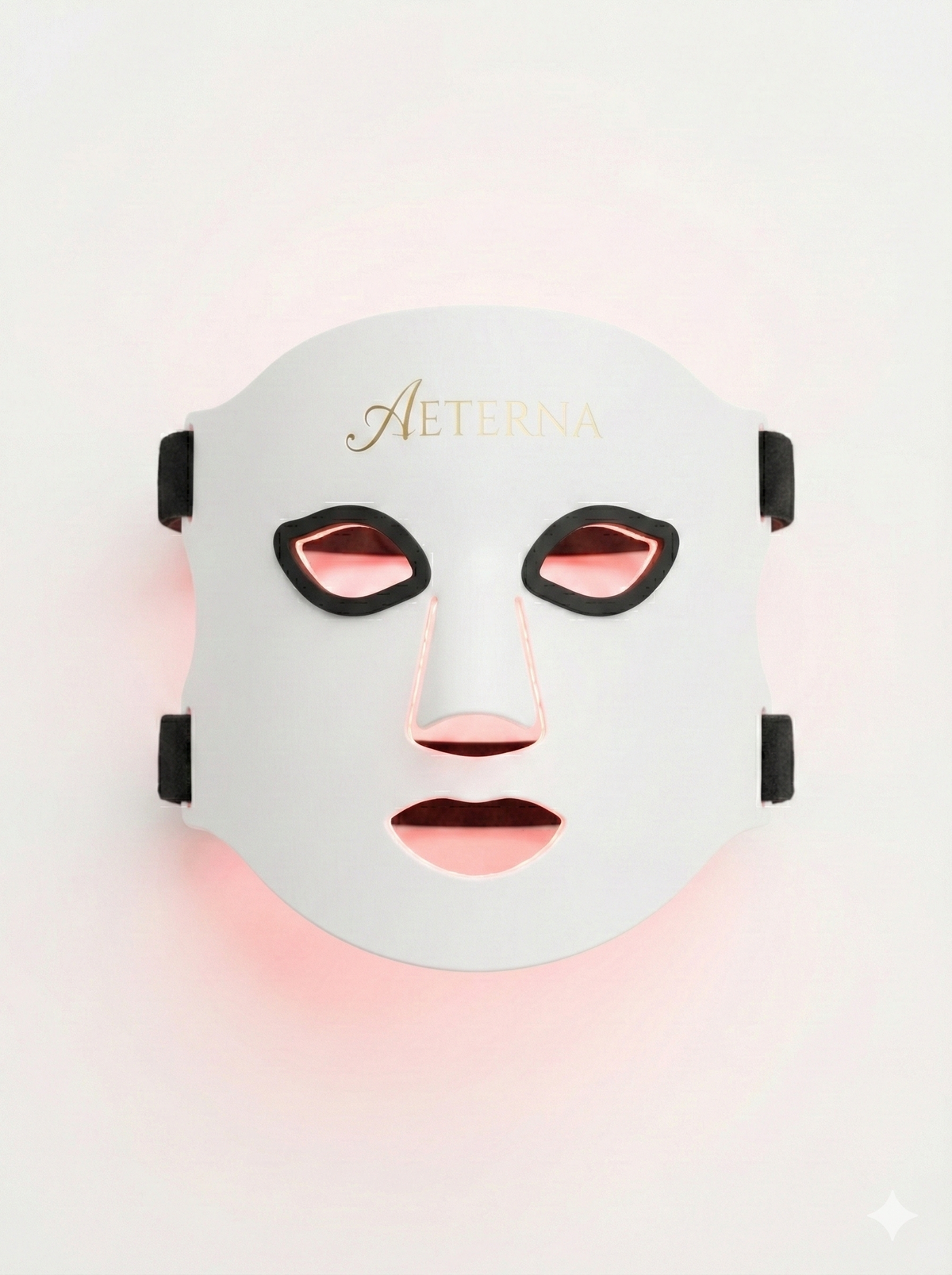

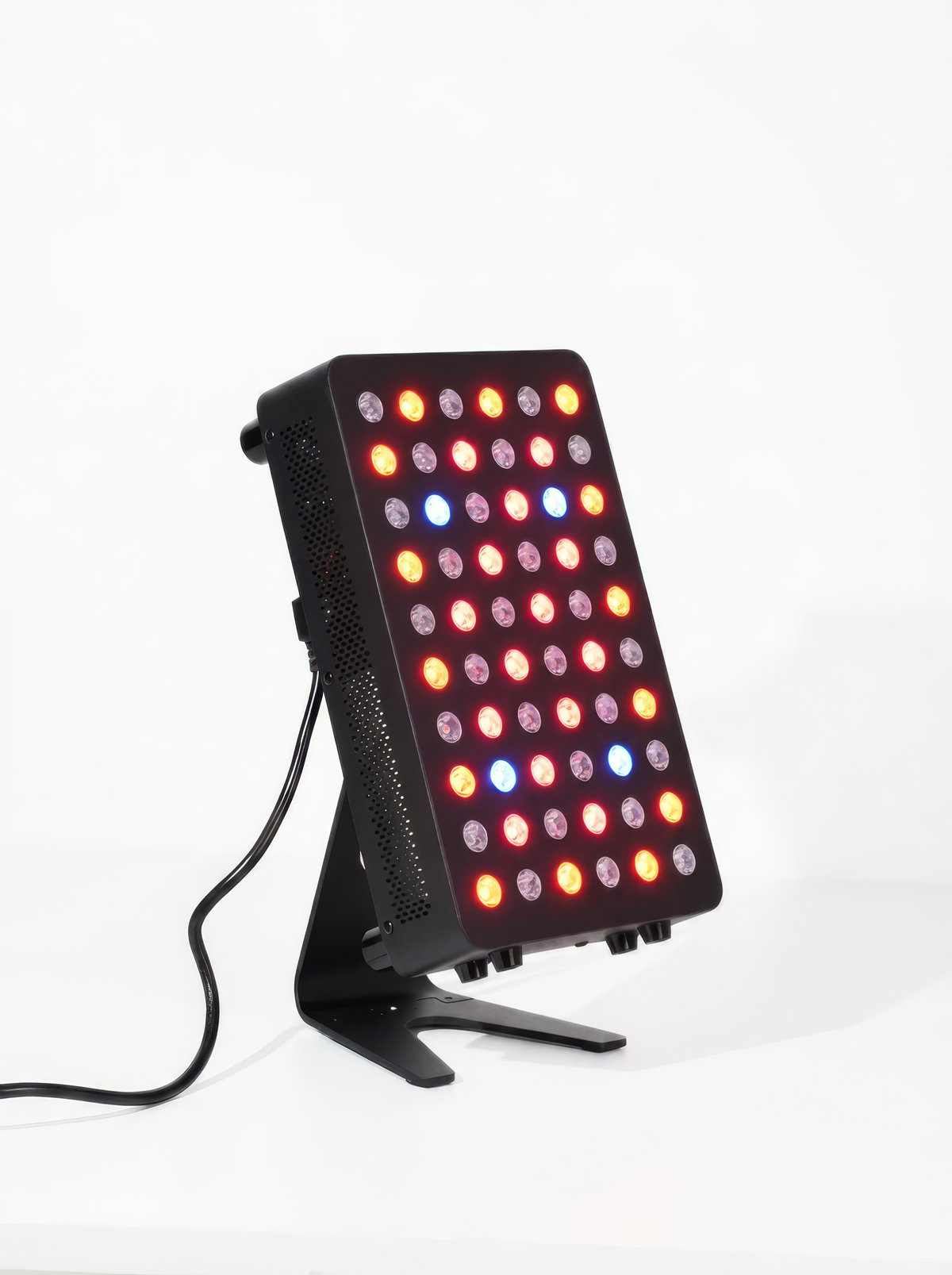


Hormonal balance and endocrine health are central to overall wellbeing — influencing energy levels, metabolism, mood, sleep, fertility, and more. When hormones are out of sync, people can experience fatigue, stress, menstrual irregularities, thyroid dysfunction, or just a general feeling that something is “off.” Lately, red light therapy — technically known as photobiomodulation (PBM) — has been gaining attention as a possible supportive tool for endocrine and hormonal health.
But does the science support that? In this article, we’ll explore how red light therapy may influence hormonal systems, what research says about specific endocrine outcomes, and how it compares with more traditional approaches to hormone support.
A Quick Look: How Red Light Therapy Interacts with the Endocrine System
Red light therapy uses specific wavelengths of red and near-infrared light that penetrate skin and tissue without heat or damage. When cells absorb this light, it can stimulate the mitochondria — the “powerhouse” of the cell — increasing cellular energy (ATP) production, reducing oxidative stress, and supporting healthy cellular function.
Improved cellular energy and reduced inflammation may indirectly support hormone-producing glands like the thyroid, ovaries, pancreas, and adrenal glands. For example:
-
Better mitochondrial function helps glands produce and regulate hormones more efficiently.
-
Reduced inflammation improves the environment in which hormones are made and balanced.
-
Light exposure may affect circadian-related hormones such as melatonin and cortisol.
These effects point toward systemic support — not a cure — and are rooted in cellular biology more than quick fixes.
Scientific Evidence: What Studies Show
1. Thyroid Function Support
One of the most intriguing areas of study is how red light therapy may influence thyroid health — especially in autoimmune conditions like Hashimoto’s thyroiditis.
A 2025 clinical study found that adding PBM to nutritional support improved thyroid gland homeostasis better than supplements alone. Participants showed improved thyroid hormones, reduced markers like TSH and thyroid antibodies, and reductions in waist/hip ratios and BMI compared with the supplement-only group.
Another research review noted that low-fluence PBM can improve thyroid function and tissue health, often with reductions in thyroid autoimmune activity, hinting at endocrine system benefits beyond symptom relief.
These results are promising for glandular support — not cure — and require more large-scale studies to confirm exactly how profound and long-lasting the effects are.
2. Circadian Hormones: Melatonin and Cortisol
Your circadian rhythm — the body’s internal clock — is deeply connected to hormonal balance through hormones like melatonin and cortisol:
-
Melatonin helps regulate sleep and is naturally influenced by light exposure.
-
Cortisol is a stress hormone released by the adrenal glands, typically higher in the morning and lower at night.
Research shows that both blue and red light can influence cortisol levels, especially at night, suggesting that light therapy has measurable effects on endocrine signals beyond vision pathways.
This research doesn’t prove that red light therapy “balances” these hormones in all cases, but it demonstrates that light exposure has physiological effects on hormone-related systems.
3. Reproductive and Fertility Insights
Hormonal and endocrine health tie directly to reproductive function. Emerging studies — though still early — suggest red and near-infrared light may positively influence ovarian aging and reproductive tissue health. A 2024 study in aging mouse models showed that PBM helped restore ovarian function, increasing cellular energy, reducing oxidative stress, and supporting hormone-producing cell viability.
In human case research, multi-wavelength red and near-infrared PBM has been linked to improved reproductive health outcomes in women with unexplained age-related infertility, including full-term pregnancy success after treatment.
These findings are intriguing for biohackers and those exploring fertility support, but they’re early and not yet established as standard clinical practice.
How Red Light Therapy Compares to Traditional Hormone Support
Here’s how red light stacks up against more established hormone regulation methods:
|
Approach |
Mechanism |
Strength for Hormonal Support |
|
Red Light Therapy (PBM) |
Cellular energy boost, inflammation reduction |
Emerging evidence; supportive lifestyle tool |
|
Diet & Nutrition |
Provides building blocks for hormone synthesis |
Essential foundational support |
|
Medication (e.g., thyroid medication, hormone therapy) |
Direct hormone replacement or modulation |
Clinically proven for specific hormone deficiencies |
|
Sleep & Circadian Regulation |
Supports hormonal rhythms (melatonin & cortisol) |
Strong evidence for broad hormone balance |
Red light therapy complements — but doesn’t replace — medical or lifestyle strategies. It’s best viewed as one facet of a comprehensive endocrine health plan.
Practical Hormonal Benefits People Explore
People interested in using red light therapy for endocrine or hormonal support often cite:
• Better sleep regulation – by promoting natural melatonin rhythms (when used at the right times of day or evening)
• Stress hormone modulation (cortisol) – through reduced inflammation and signaling effects
• Thyroid support – especially for autoimmune thyroid conditions and improved gland function
• Reproductive health support – possible benefits for ovarian aging and fertility outcomes in preliminary studies
• Metabolic hormone optimization – via improved mitochondrial function and cellular energy, which influences hormones like insulin and thyroid hormones indirectly
Safety and Realistic Expectations
Red light therapy is considered safe and non-invasive when devices are used according to guidelines. Unlike UV light, it does not involve ionizing radiation, so skin damage or cancer risk isn’t a concern in typical therapeutic settings.
However, it’s crucial to set realistic expectations:
-
Not a cure – PBM supports balance and gland function but doesn’t resolve severe endocrine disease on its own.
-
Consistency matters – many studies show benefits after repeated sessions rather than single exposures.
-
Professional guidance helps – working with a clinician or endocrinologist ensures treatments are integrated safely, especially if you’re taking hormone medications.
Bottom Line
Red light therapy shows emerging scientific promise as a complementary tool for hormonal and endocrine health — particularly for thyroid function, reproductive support, sleep-related hormones, and inflammation-linked hormone regulation. These effects are rooted in cellular energy support, mitochondrial optimization, and reduced oxidative stress.
While it’s not a substitute for clinical hormone therapies or foundational lifestyle changes like diet, sleep, and stress management, red light therapy may offer additional benefits for those seeking natural ways to support endo-crine balance as part of a comprehensive health plan.
This content is for informational purposes only and is not medical advice.