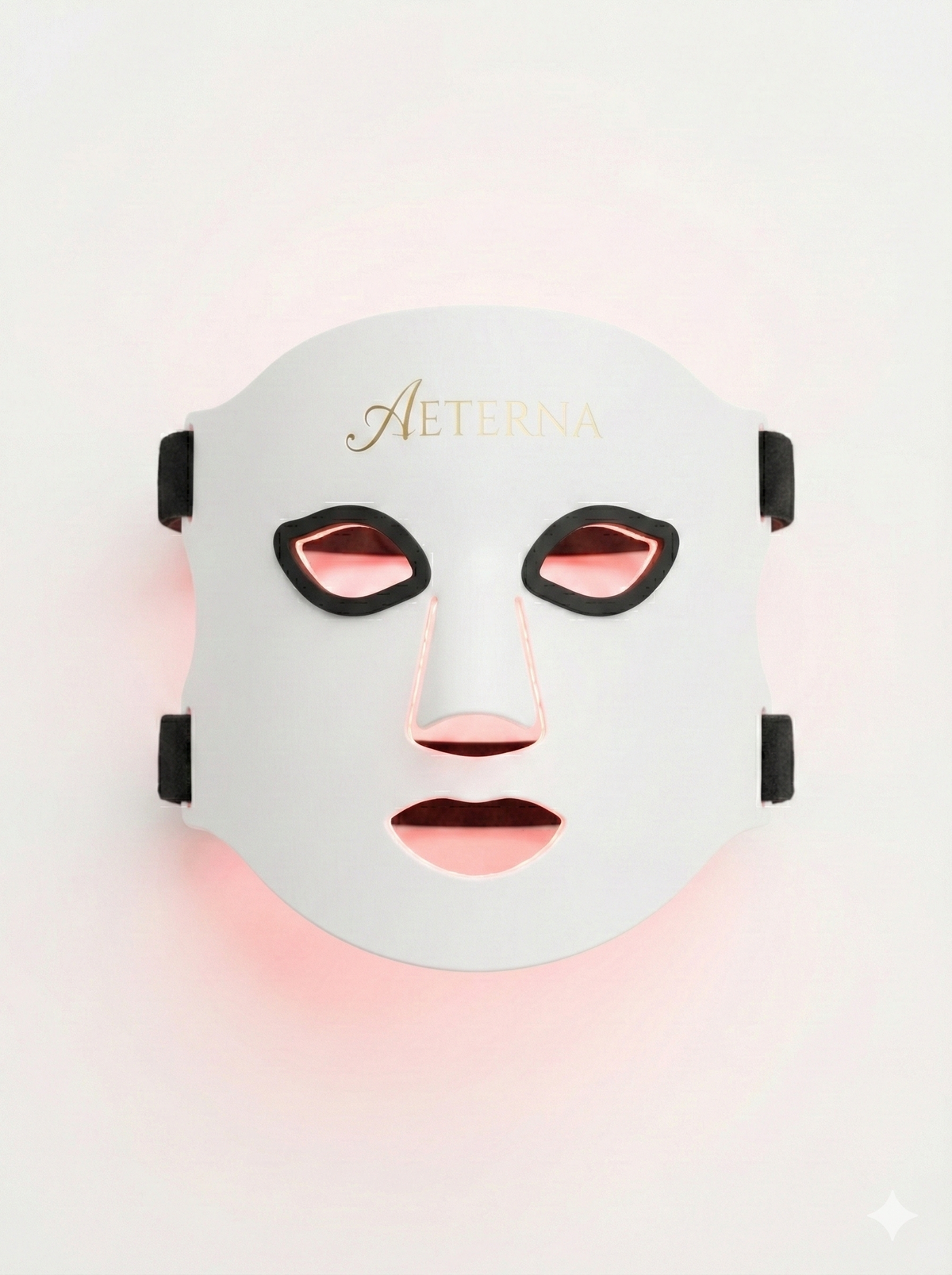

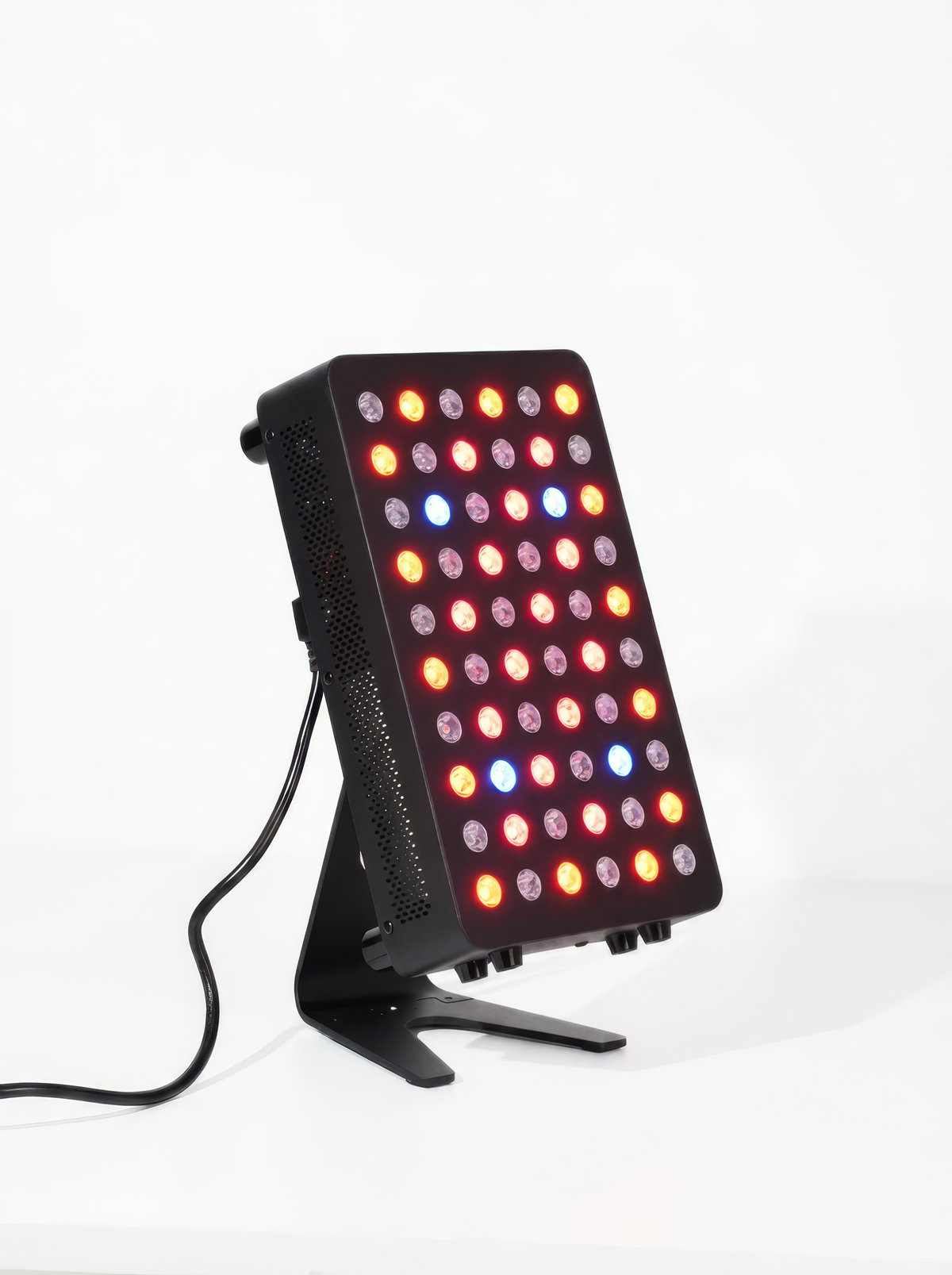


In the biohacking world — where people explore ways to optimize performance, healthspan, and aging — red light therapy has become a popular tool. Promoted as a way to support cellular energy, reduce inflammation, and potentially influence aging processes, it’s been pulled into conversations about deeper wellness goals like longevity and healthspan optimization.
But what does research really say about red light therapy’s role in biohacking and longevity? Below, we break it down with scientific evidence, mechanisms, and realistic expectations.
What Is Red Light Therapy (Photobiomodulation)?
Red light therapy — also called photobiomodulation (PBM) or low-level laser therapy (LLLT) — uses specific wavelengths of red and near-infrared light (typically between roughly 600–1000 nm) to interact with cells without heat or damage. This light penetrates tissue and influences biological processes at the cellular level.
Unlike ultraviolet light (which can damage DNA), PBM stimulates cell function, particularly within mitochondria — the “powerhouses” of cells that produce ATP (energy molecules). Many of the effects we care about for aging and vitality stem from these mitochondrial signals.
Why Mitochondria Matter for Longevity and Aging
Mitochondria are central to many theories of aging because they regulate energy production, oxidative stress, and cellular metabolism. When mitochondria function well, cells can:
-
Produce sufficient ATP for repair and everyday activity
-
Reduce oxidative stress that can damage DNA and proteins
-
Regulate inflammation more effectively
-
Maintain healthier overall metabolism
Light in the red and near-infrared range appears to influence the mitochondria by interacting with cytochrome c oxidase, an enzyme involved in cellular respiration. This interaction can increase ATP production and improve signaling related to healing and repair.
By enhancing mitochondrial efficiency, red light therapy taps directly into a core biological driver that many longevity researchers consider key to slowing age-related decline — making it a promising biohacking tool.
Research on Red Light Therapy and Aging-Related Outcomes
1. Brain Aging and Cognitive Function
One systematic review of studies on PBM in aging brains found that red and near-infrared light showed promising effects on memory, problem solving, and mitochondrial activity in both animal models and older adults. Improvements in working memory, semantic fluency, and general metabolic function were identified.
The anti-inflammatory and neuroprotective effects observed suggest that PBM may help counter some aspects of brain aging — though researchers note that standardized protocols and larger clinical trials are still needed.
2. Cardiovascular Aging in Animal Models
In animal research focused on age-associated heart changes, photobiomodulation reduced structural signs of cardiovascular aging, improved heart function metrics, and even correlated with increased markers of longevity in heart tissue. These outcomes hint that red light might influence systemic aging pathways — at least in controlled models.
This type of evidence is early but compelling, especially for biohackers interested in interventions that act beyond surface-level skin changes.
3. Longevity and Lifespan Studies in Animals
Some preliminary studies suggest that exposure to red light early in life may extend lifespan and improve late-life health indicators in simple organisms like nematodes — microscopic worms often used in aging research.
While these findings are exploratory and the translation to human biology is complex, they provide one piece of experimental support for light-based strategies in aging research.
4. Visible Signs of Aging and Skin Health
Red light therapy also shows effects on skin aging markers — including increased collagen production, improved elasticity, and reduced wrinkle depth — suggesting benefits for visible aging and overall skin quality. Clinical studies observing these changes after repeated red light use link back to deeper cellular processes involving mitochondrial energy and gene expression changes.
These findings tie into longevity because skin health reflects systemic aging processes, and improving dermal structure may correlate with broader tissue resilience over time.
Biohacking Perspective: How Red Light Fits Into Longevity Strategies
Biohackers often adopt layered approaches to longevity. Red light therapy fits into this picture in several ways:
✔ Mitochondrial Support
Boosting ATP production and reducing oxidative stress are fundamental to healthy aging. When cells produce energy more efficiently, the body’s repair pathways — including those for protein synthesis and DNA turnover — can function better.
✔ Anti-Inflammatory Effects
Chronic inflammation accelerates many aging processes. By modulating inflammatory signaling and reducing oxidative stress, PBM may support lower baseline inflammation — a benefit commonly sought by longevity-focused individuals.
✔ Systemic Wellness Synergy
Biohacking protocols often include diet optimization, sleep regulation, movement, and stress reduction. Red light therapy’s potential to enhance cellular energy and recovery can support each of these pillars, making it complementary rather than a stand-alone silver bullet.
Red Light Therapy vs. Other Longevity Tools
Here’s how red light compares with some other popular longevity approaches:
|
Approach |
Primary Mechanism |
Impact on Aging |
|
Red Light Therapy (PBM) |
Boosts mitochondria & cellular signaling |
Moderate; supports repair and inflammation reduction |
|
Caloric restriction / fasting |
Metabolic stress adaptation |
Strong; shown to extend lifespan in many species |
|
Exercise |
Improves systemic health & mitochondrial volume |
Very strong; broad health benefits |
|
Supplements (e.g., resveratrol, NMN) |
Molecular pathway modulation |
Variable; ongoing research |
Red light therapy often works best when paired with other well-validated lifestyle strategies, rather than replacing them.
What the Research Doesn’t Tell Us (Yet)
While animal and cellular studies are promising and early human research hints at cognitive and metabolic benefits, there are clear limitations:
-
Lifespan extension in humans has not been demonstrated. No clinical studies directly show that red light therapy increases human longevity.
-
Standardized protocols are lacking. Wavelengths, dosages, and exposure times vary widely in research, making it hard to prescribe a single “best” dose.
-
Long-term safety and impact data are still limited. Most research focuses on short- to medium-term outcomes.
In short, while red light therapy holds promise as part of a biohacker’s toolkit, its effects should be seen as supportive and complementary, not definitive evidence of extending human lifespan.
Practical Tips for Biohackers Interested in Red Light Therapy
If you’re exploring red light therapy for healthspan or age-related wellness:
-
Choose appropriate wavelengths. Many studies use light between 600–900 nm for cellular effects.
-
Consistency matters. Benefits often accumulate gradually rather than appearing after a single session.
-
Pair with core health habits. Good sleep, nutrition, movement, and stress management amplify benefits.
-
Track effects. Keep simple metrics like energy levels, sleep quality, and inflammation markers to see how your body responds.
Conclusion
Red light therapy is an exciting, scientifically grounded tool within the realm of biohacking and longevity — especially because of its effects on mitochondria, inflammation, cognition, and tissue repair. Studies in cells, animals, and emerging human models suggest healthspan benefits and support for aging markers, though proof of actual lifespan extension remains untested in humans.
Used thoughtfully alongside proven lifestyle strategies, red light therapy may help support your long-term wellbeing as part of a holistic approach to aging better — not just living longer.
This content is for informational purposes only and is not medical advice.