


Arthritis affects more than just joints. Over time, chronic inflammation, stiffness, and pain influence how people move, sleep, exercise — and even how their skin ages. While medications and physical therapy remain common treatments, many adults are now searching for non-invasive, drug-free options to support long-term joint health. One therapy receiving increasing scientific attention is red light therapy.
So the real question is: does red light therapy work for arthritis, and how can modern at-home devices — including red light therapy masks — fit into a broader wellness routine?
Understanding Arthritis Beyond “Wear and Tear”
Arthritis isn’t simply about aging joints. At its core, most forms of arthritis involve:
-
Chronic inflammation
-
Impaired cellular repair
-
Reduced circulation to joint tissues
-
Breakdown of collagen and connective tissue
These same biological challenges also affect skin quality, elasticity, and healing capacity. That overlap is exactly why red light therapy — originally studied for tissue repair — is now used for both joint support and skin rejuvenation.
How Red Light Therapy Works at the Cellular Level
Red light therapy, often called photobiomodulation, uses specific wavelengths of red and near-infrared light to stimulate cells without heat or damage. These wavelengths penetrate tissue and interact with mitochondria, increasing ATP (cellular energy) production.
For arthritis, this matters because increased ATP supports:
-
Faster cellular repair
-
Reduced inflammatory signaling
-
Improved tissue resilience
-
Better circulation around joints
Recent reviews in musculoskeletal and rehabilitation journals show that red light therapy can reduce inflammatory markers and pain sensitivity in arthritic joints when applied consistently over time.
What Research Says About Red Light Therapy and Arthritis
Modern studies paint a promising — though realistic — picture.
Pain Reduction
Clinical trials on knee osteoarthritis and chronic joint pain demonstrate meaningful reductions in pain scores following repeated red or near-infrared light exposure. Some participants also reported decreased reliance on pain medication.
Improved Mobility
Several randomized studies show improved joint function and reduced stiffness, especially in weight-bearing joints like knees and hands.
Inflammation Control
Laboratory research indicates that red light therapy can downregulate pro-inflammatory cytokines while supporting anti-inflammatory pathways — a key mechanism in arthritis symptom relief.
Importantly, researchers emphasize dose, wavelength, and consistency as critical factors — not one-time use.
Why Skin Health Matters for People With Arthritis
Chronic inflammation doesn’t stop at the joints. It accelerates skin aging by:
-
Breaking down collagen
-
Slowing skin repair
-
Increasing dryness and sensitivity
This is where red light therapy benefits for skin become highly relevant for arthritis patients.
Red light therapy collagen stimulation supports:
-
Stronger connective tissue
-
Improved skin elasticity
-
Better wound healing
-
Reduced redness and irritation
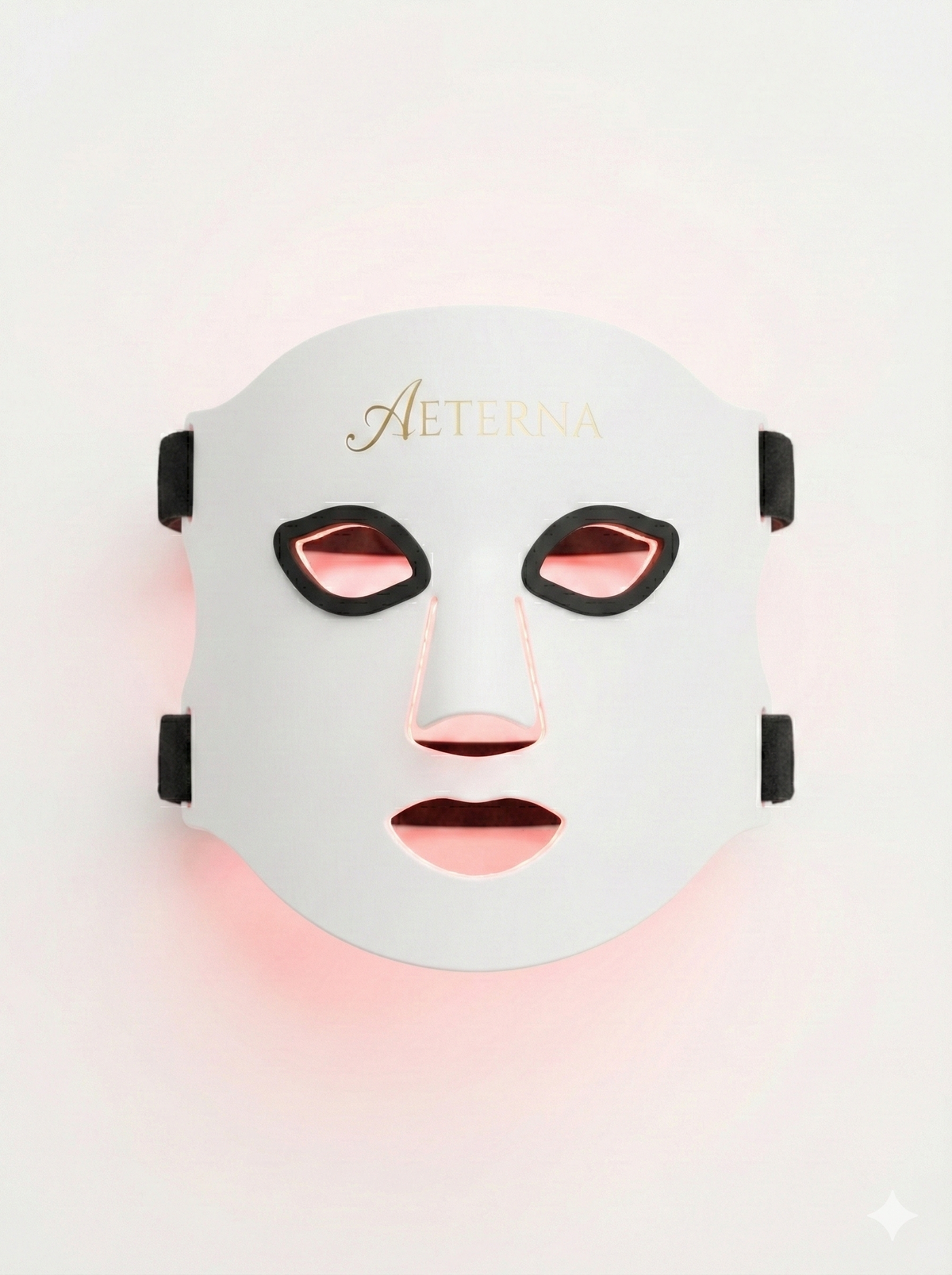
That’s why many adults with arthritis now use LED face mask red light therapy not just for cosmetic reasons, but to support overall tissue health.
How Red Light Therapy Masks Fit In
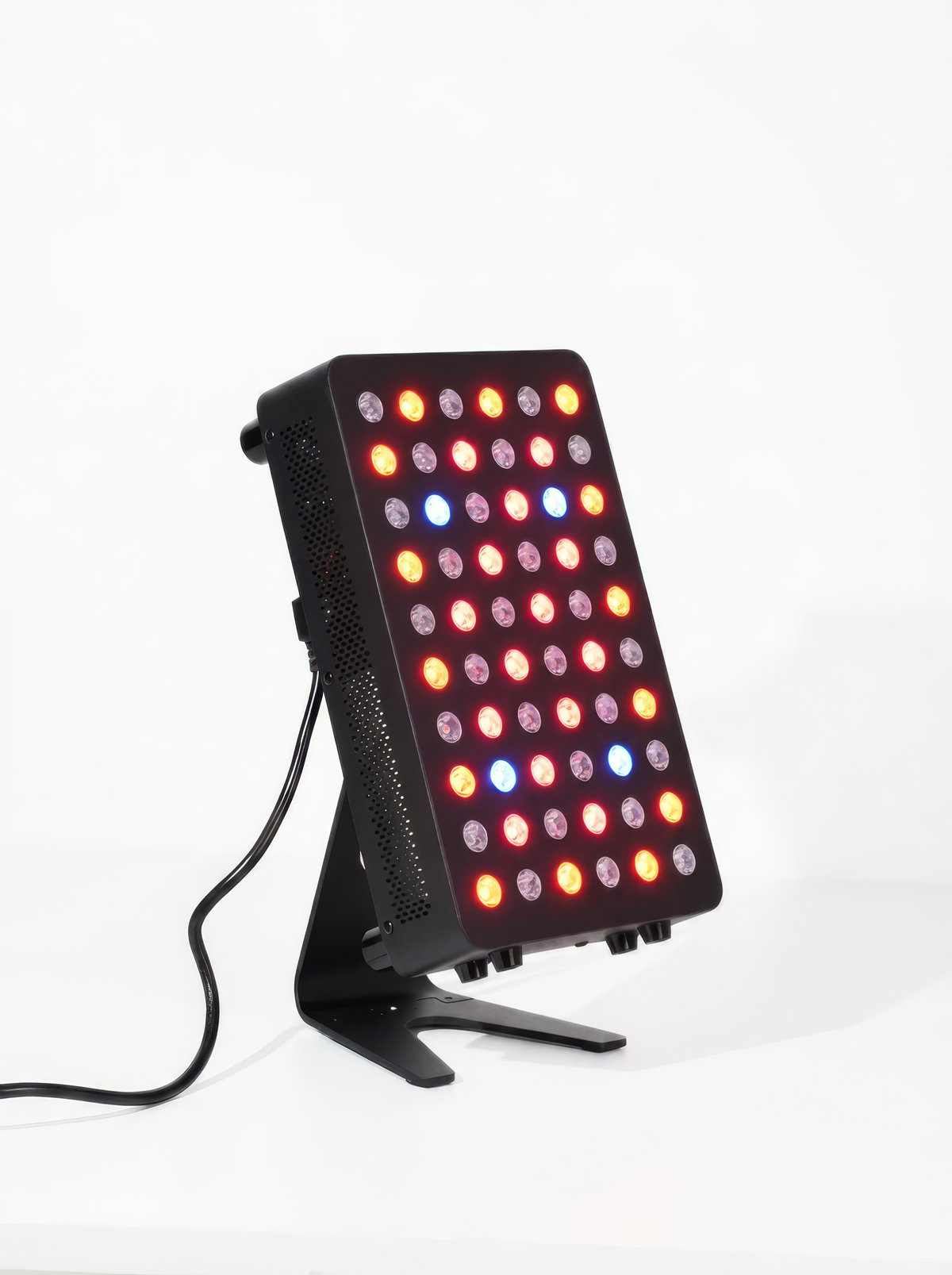
While larger panels and targeted devices are often used for joints, a red light therapy mask for face plays a complementary role.
A quality at home red light therapy mask can:
-
Deliver therapeutic wavelengths daily
-
Reduce facial inflammation linked to systemic inflammation
-
Improve skin firmness and tone
-
Support collagen regeneration affected by chronic pain conditions
Although masks are not designed to treat deep joints directly, the biological effects — improved circulation and reduced inflammation — still benefit the body as a whole.
This is why many users report noticeable red light therapy before and after changes in both skin quality and overall comfort.
Red Light Therapy vs Traditional Approaches
Red Light Therapy vs NSAIDs
Pain medications may reduce symptoms temporarily but can cause long-term side effects. Red light therapy offers a drug-free option with a strong safety profile when used properly.
Red Light Therapy vs Retinol
Retinol can thin or irritate already sensitive skin, especially in older adults. Red light therapy supports skin renewal without damaging the skin barrier — making it ideal for mature skin.
Red Light Therapy vs Microneedling
Microneedling intentionally injures the skin to stimulate collagen. Red light therapy encourages collagen production without injury or downtime, which is better for people with slower healing due to age or inflammation.
Is a Red Light Therapy Mask Worth It for Arthritis?
When people ask if a red light therapy mask is worth it, the answer depends on expectations.
A mask will not:
❌ Cure arthritis
❌ Replace medical care
But it can:
✅ Support inflammation control
✅ Improve skin resilience and collagen
✅ Complement joint-focused treatments
✅ Fit easily into daily routines
For many adults, especially those over 40, the combined benefits for skin tightening, collagen support, and recovery make a high-quality device a worthwhile investment.
Age-Specific Benefits
40s–50s
-
Early arthritis management
-
Red light therapy skin tightening
-
Support during perimenopause-related inflammation
60s–70s+
-
Improved joint comfort
-
Red light therapy for mature skin
-
Better circulation and tissue recovery
Choosing the Best Red Light Therapy Mask
If you’re researching the best red light therapy mask, look for:
-
Clinically relevant wavelengths (630–660 nm; optional near-infrared)
-
Even LED coverage
-
Safety certifications
-
Comfortable, consistent use design
These factors matter more than flashy features.
Final Thoughts
Red light therapy is not a miracle cure — but science increasingly supports its role in managing arthritis-related pain, inflammation, and tissue health. When combined with movement, medical care, and lifestyle changes, photobiomodulation offers a safe, non-invasive way to support long-term comfort.
And for those looking to care for both joint health and aging skin, a thoughtfully chosen red light therapy mask can be a practical, science-backed addition to daily wellness.
This content is for informational purposes only and is not medical advice.