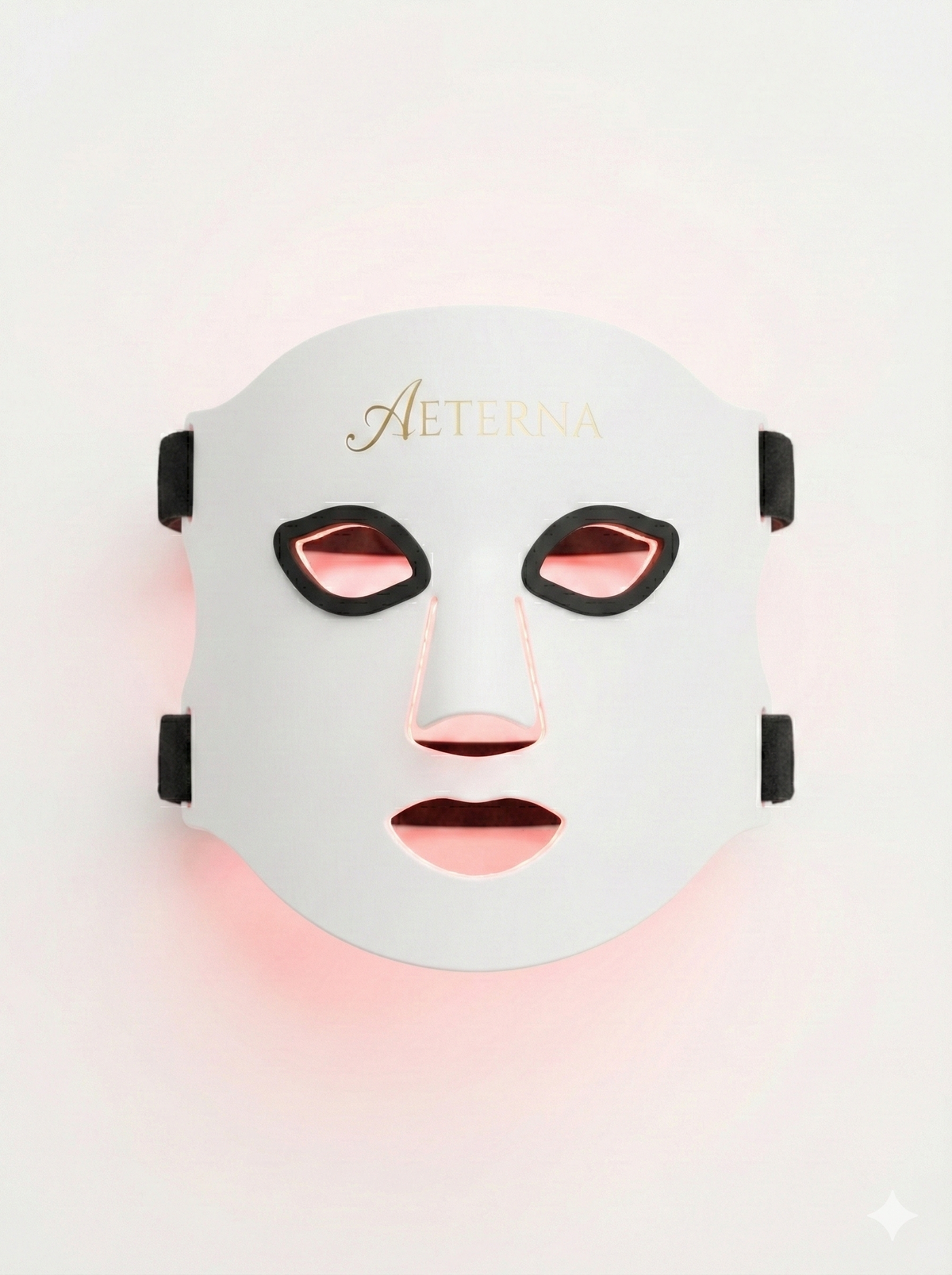

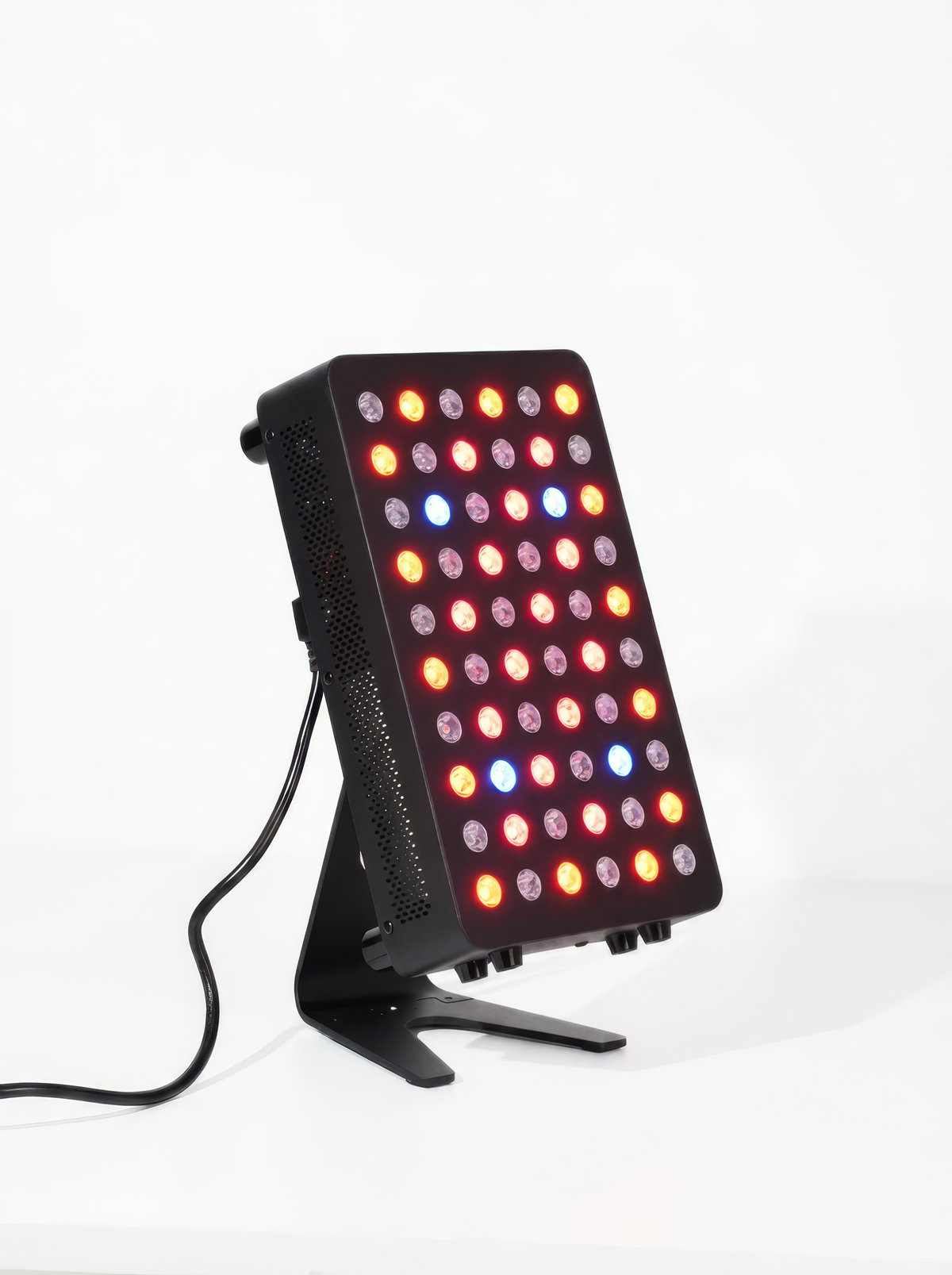


When we think about mental health support, traditional approaches like therapy, medication, mindfulness, and lifestyle changes come to mind first. But in recent years, another wellness trend has gained traction for its potential psychological benefits: red light therapy — also known as photobiomodulation (PBM).
Unlike bright white light therapy used for Seasonal Affective Disorder (SAD), red light therapy delivers specific wavelengths of red and near-infrared light that interact with cells at a biological level rather than just influencing the body’s internal clock. But can this kind of light genuinely help with mood, anxiety, or depression? Let’s break down the current science — including what researchers are discovering and what remains uncertain.
Understanding Red Light Therapy and How It Works
Red light therapy — often delivered through LED panels or transcranial devices for brain-focused applications — uses low-power red and near-infrared light to stimulate cells. This isn’t like staring into a bright lamp; instead, the light penetrates tissue to reach cells where it may help:
-
Boost mitochondrial function (energy production in cells)
-
Reduce inflammation
-
Increase cerebral blood flow
-
Promote neurogenesis (formation of new brain cells)
-
Support cellular repair mechanisms
The idea is that by supporting healthier brain cell function and reducing ongoing inflammation, red light therapy could influence mood and cognition in ways that support mental health and emotional well-being.
What the Research Shows So Far
1. Evidence for Depression Relief
Several studies have looked specifically at red light or near-infrared light’s effects on depression. A 2024 review concluded that photobiomodulation was effective in reducing symptoms of depression, though it noted that the number of studies remains limited and more research is needed to confirm results.
Transcranial photobiomodulation has also been studied in major depressive disorder (MDD), showing antidepressant effects with medium to large effect sizes in some trials. Researchers believe this may be due to increased energy production in brain cells and improved blood flow.
2. Anxiety and Stress Reduction
Beyond depression, red light therapy has been explored as a complementary tool for anxiety symptoms. Some pilot studies suggest that near-infrared photobiomodulation can lead to meaningful reductions in anxiety scores, potentially offering support alongside other treatments.
A randomized controlled trial indicated that transcranial PBM significantly reduced anxiety and depression severity in individuals undergoing treatment for substance-related symptoms — with benefits lasting up to three months post-treatment.
3. General Mood and Well-Being Improvements
A randomized, placebo-controlled study found that higher doses of near-infrared PBM improved mood and overall well-being when used consistently over several weeks, especially in winter months when natural sunlight exposure is limited.
Additional research has also identified trends in improved cognition, enhanced focus, and deeper emotional stability following regular PBM sessions — suggesting that the therapy’s effects may extend beyond mood alone.
How Red Light Therapy Compares to Other Mental Health Treatments
It’s important to emphasize that red light therapy is not a substitute for established treatments like:
-
Psychotherapy (e.g., cognitive-behavioral therapy)
-
Medication when prescribed by a clinician
-
Lifestyle interventions such as exercise, nutrition, and sleep optimization
In contrast, red light therapy may act more as a supportive or complementary tool — something to use alongside these core treatments to enhance outcomes or provide additional relief.
Traditional bright white light therapy, for example, has strong evidence for treating Seasonal Affective Disorder by regulating circadian rhythms. While both approaches use light, they target different mechanisms: bright light affects neurochemical signals through the eyes, while red light interacts more directly with cells and tissue.
Practical Expectations: What Users Might Experience
If someone is curious about trying red light therapy for mental health support, here’s what current research suggests they might expect:
✔ Potential mood boost over time
Studies suggest cumulative benefits rather than instant mood shifts — meaning consistent sessions may matter more than a one-off.
✔ Non-invasive and generally safe
Red light therapy has low risk of side effects and doesn’t involve medications or systemic treatments.
✔ Complement to established treatments
Results tend to be stronger when PBM is used in combination with proven therapies like therapy or medication, not as a replacement.
Limitations and Future Directions
While research is emerging and promising, there are important cautions:
-
Studies vary widely in design, sample size, and treatment protocols, making results harder to generalize.
-
More large-scale clinical trials are needed to confirm long-term benefits and clarify optimal wavelengths, session duration, and frequency.
-
The field is still evolving, and while early evidence shows potential, it’s not yet conclusive enough to declare red light therapy a mainstream standalone treatment.
Final Thoughts
Red light therapy — especially in the form of transcranial photobiomodulation — is an intriguing area of research for mental health support. Early studies show positive trends for depression relief, anxiety reduction, and overall mood enhancement, particularly when used consistently and alongside conventional care. However, it should not replace evidence-based treatments that have strong clinical backing.
If you’re considering red light therapy for mental health, it’s wise to consult a qualified healthcare provider to discuss whether it may complement your current care plan.
This content is for informational purposes only and is not medical advice.