


Psoriasis is a chronic autoimmune skin condition that can cause red, scaly patches, itching, and discomfort. While there’s no “cure,” many people seek treatments that help reduce inflammation and improve skin appearance with minimal side effects. One of the most well-established approaches is light therapy for psoriasis, also known as phototherapy. But with various types of light being discussed — from red light therapy to UVB phototherapy — it can be confusing to know what actually works and what the research says.
Below, we break down the key scientific evidence, explain different forms of light therapy, and offer realistic expectations based on current studies.
What Is Light Therapy for Psoriasis?
Light therapy — also called phototherapy — involves exposing the skin to controlled doses of specific light wavelengths to slow down the rapid growth of skin cells and reduce inflammation. Psoriasis is characterized by accelerated skin cell turnover, and light can help interrupt that process. The most well-studied and widely used form of phototherapy for psoriasis is ultraviolet B (UVB) light — specifically narrowband UVB — which is used in medical settings under dermatologist supervision.
Here are some of the main types of light used for psoriasis care:
-
Narrowband UVB (NB-UVB): Often considered the gold standard standard in phototherapy, it slows excessive skin cell growth and helps reduce symptoms.
-
PUVA (Psoralen + UVA): Combines a medication (psoralen) with UVA light to increase light sensitivity and reduce symptoms, usually under careful medical supervision.
-
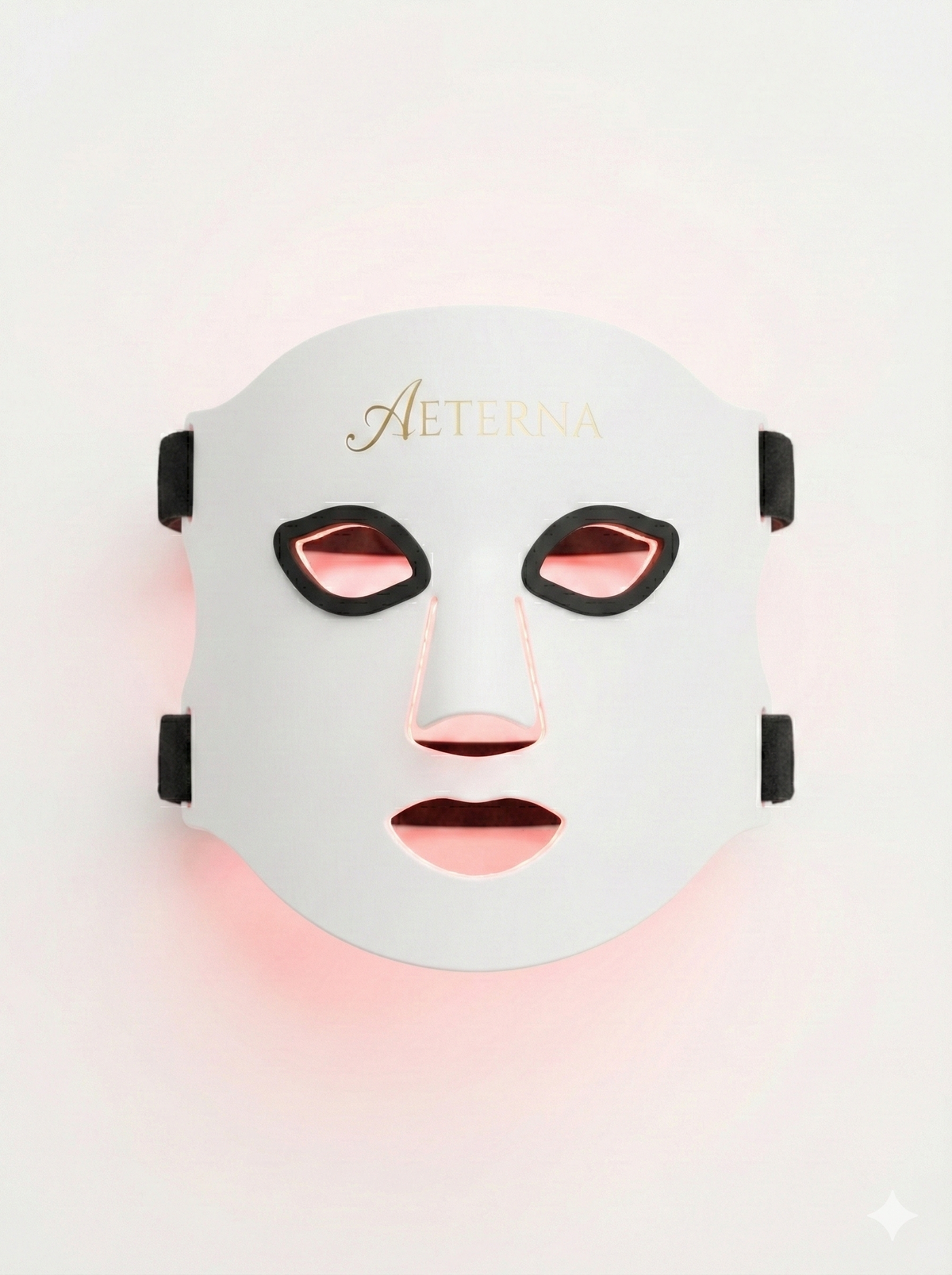
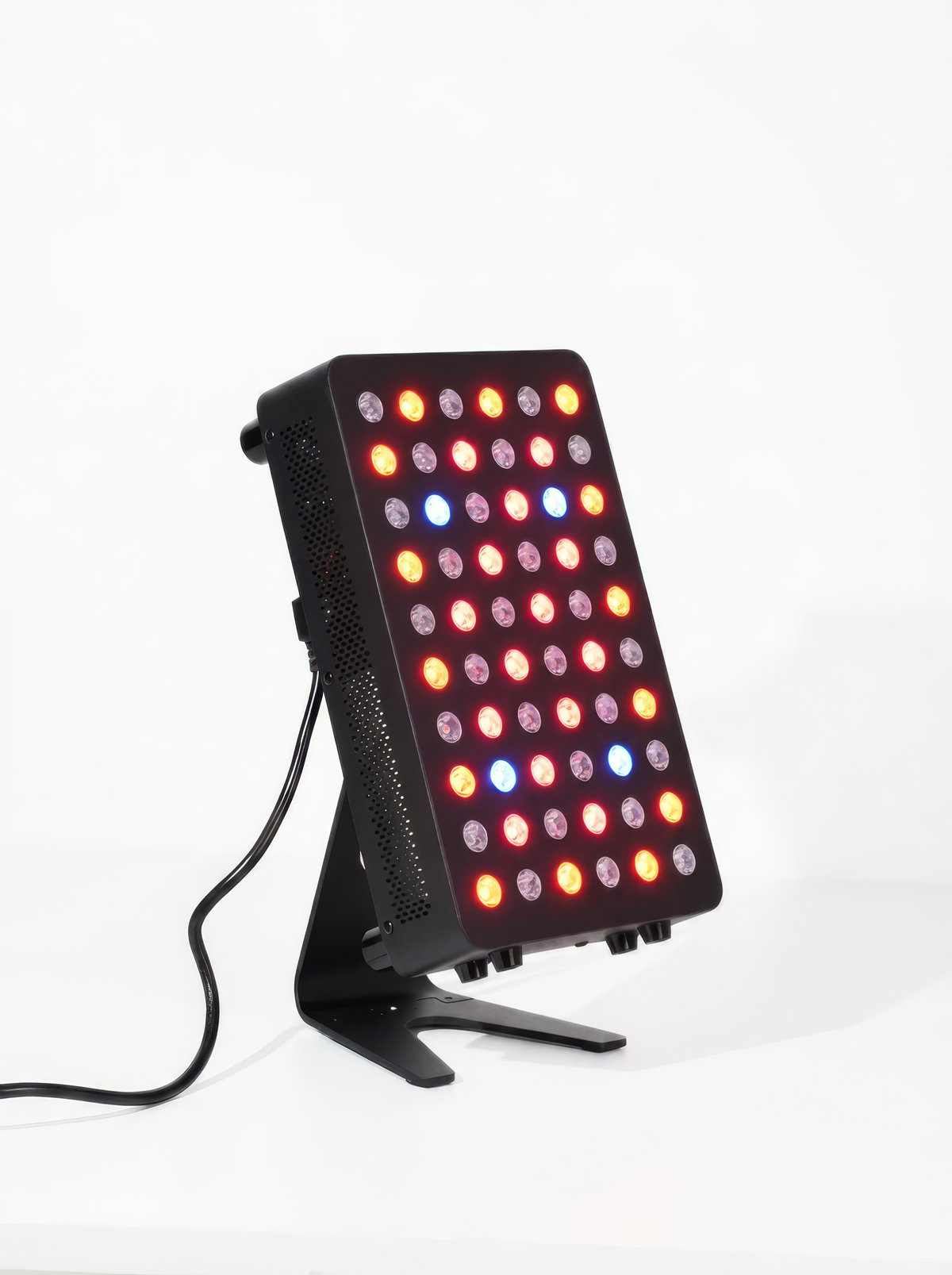
Visible light therapies (e.g., red and blue light): Emerging approaches that use non-UV wavelengths to reduce inflammation and support skin healing.
How Phototherapy Works
In psoriasis, the immune system signals skin cells to grow too quickly, resulting in thick, scaly plaques. Light therapy works by:
-
Modulating immune activity in the skin
-
Slowing down rapid skin cell proliferation
-
Reducing inflammation
For UVB phototherapy, the light is strong enough to affect the DNA and immune signals in skin cells, directly slowing abnormal growth. Narrowband UVB is preferred over broadband UVB because it targets the effective wavelength range while minimizing side effects.
Visible Light and Photobiomodulation: What Science Says
Beyond classic UVB therapy, researchers have looked at how photobiomodulation (PBM) — light in the red and near-infrared spectrum — might help. PBM is widely studied for skin healing, reducing inflammation, and improving underlying cellular health.
Red Light and Near-Infrared Light
Preliminary research suggests red light therapy may help soothe inflammation and support skin repair by stimulating cellular energy and collagen synthesis. Deep penetration by red and near-infrared light may reduce redness and itching, and help support healthier skin structure.
One small study exploring red and near-infrared wavelengths reported promising improvements in plaque psoriasis after 4–5 weeks of treatment, including significant clearing of lesions. However, sample sizes were small and further research is needed before this becomes a widely recommended treatment.
Blue Light
Blue light (within visible light spectrum) has shown benefits in reducing keratinocyte proliferation, a key driver of psoriasis plaques — particularly in early research. This may be due to its anti-inflammatory and antimicrobial effects on the skin.
Overall, visible light therapies are considered promising but still emerging, and they are generally not replacements for well-studied UVB phototherapy. More large clinical trials are needed to determine optimal light parameters (wavelengths, doses, and treatment schedules) and long-term effectiveness.
Comparison: Red/Blue Light vs. UVB Phototherapy
Here’s a breakdown of how different light therapies compare:
|
Light Type |
Mechanism |
Evidence Level |
Typical Use |
|
Narrowband UVB |
Slows skin cell growth and modulates immune response |
High (medical standard) |
Moderate-to-severe psoriasis |
|
PUVA (UVA + Psoralen) |
Enhances UVA sensitivity to target deeper skin response |
High (specialized medical) |
Severe cases under close supervision |
|
Red/Near-IR Light (PBM) |
Reduces inflammation, supports cell energy |
Moderate/Emerging |
Supplemental/experimental |
|
Blue Light |
May reduce abnormal cell proliferation |
Moderate/Emerging |
Supplemental, mild cases |
Even though photobiomodulation and visible light therapies show promise — especially for mild inflammation and skin renewal — UVB phototherapy remains the most proven and widely used treatment for psoriasis, particularly moderate to severe cases.
Home Phototherapy vs. In-Office Treatments
Recent trials have explored home-based phototherapy — usually NB-UVB devices designed for home use — and found outcomes very similar to in-office treatments. One large randomized clinical trial demonstrated that home phototherapy was as effective as office-based therapy for reducing plaque psoriasis, with the added benefit of convenience and less treatment burden.
This is promising for people who have reliable access to appropriate devices and are comfortable using them under dermatology guidance, but professional oversight remains important to avoid misuse and potential side effects.
Safety and Expectations
Light therapy — especially UVB phototherapy — is generally considered safe when administered by trained professionals, but there are important notes:
-
UVB light can increase your sensitivity to sunlight and needs careful dosing to avoid burns.
-
PUVA therapy carries a greater risk, including potential long-term skin cancer concerns, and is typically reserved for more severe cases.
-
Red and blue light therapies are generally lower risk and don’t involve UV radiation, but evidence is still emerging and they aren’t standard medical treatments yet.
It’s also important to consult a dermatologist before beginning any light-based therapy, especially if you have sensitive skin, are taking photosensitizing medications, or have a history of skin cancer.
Bottom Line: What You Should Know
-
Phototherapy (especially narrowband UVB) is one of the most effective and evidence-based non-drug treatments for psoriasis, widely used in dermatology practice.
-
Red and visible light therapies show promise for supporting skin healing and reducing inflammation, but evidence is still building and they aren’t considered standard treatments.
-
At-home options can be effective when used correctly with professional guidance, but they require consistency and proper dosing.
If you’re exploring light therapy for psoriasis, your dermatologist can help decide the best approach based on your severity, skin type, and treatment goals. Whether that’s traditional phototherapy, combined light approaches, or supportive skin health strategies, informed guidance is key.
This content is for informational purposes only and is not medical advice.