


For decades, scientists and clinicians have explored how specific wavelengths of light — especially in the red and near-infrared range — can influence cell behavior, tissue repair, and skin health. While early research was mostly in labs or clinical settings, advances in LED technology now mean people can access these benefits at home with a red light therapy mask or other LED devices. What does the science really show — and why are masks becoming one of the best red light therapy mask options for skin repair and wound healing?
What Red Light Therapy Is (In Scientific Terms)
Red light therapy (also called photobiomodulation or PBM) uses low-level visible light in the red (~630–660 nm) and near-infrared (~800–880 nm) spectrum. These wavelengths don’t heat or burn tissue, but they do interact with key cellular components called chromophores — especially cytochrome c oxidase inside mitochondria, which are the energy factories of cells. When red light is absorbed, it can boost cellular energy (ATP) production, reduce inflammation, and help cells communicate better.
How Red Light Speeds Healing at the Cellular Level
Healing a wound — whether a cut, scrape, surgical incision, or minor burn — is a complex process involving inflammation, cell migration, collagen production, and new tissue formation. Red light appears to support several of these steps:
1. Increased Cellular Energy –
By improving mitochondrial function, red light gives cells more “fuel” to do the work of healing, including rebuilding tissue.
2. Fibroblast Activation & Collagen Synthesis –
Fibroblasts are the cells that lay down new collagen — the structural protein that gives skin strength and elasticity. Research shows that LED red light can stimulate fibroblast proliferation and boost collagen production, which supports stronger healing and potentially better scar outcomes.
3. Modulating Inflammation –
Inflammation is a normal part of healing, but too much can slow repair. LED studies show reduced pro-inflammatory markers and increased antioxidant responses in skin treated with red light.
4. Angiogenesis and Circulation –
Emerging evidence suggests red and near-infrared light may stimulate angiogenesis — the formation of new blood vessels — which improves oxygen and nutrient delivery to wounds.
These cellular changes are why researchers and dermatologists alike see potential for red light therapy in wound healing, skin rejuvenation, and scar management.
What the Clinical Evidence Shows
While not all studies are large or uniform, they paint a consistent picture: light therapy has real biological effects on healing.
🔹 A 2014 review of low-power light therapy showed that LED and laser treatments can decrease inflammatory cells, improve fibroblast activity, and stimulate blood vessel growth — all key factors in wound repair.
🔹 A 2025 trial reported that red light therapy enhanced collagen synthesis and angiogenesis, supporting faster closure of wounds in experimental settings.
🔹 Cell culture studies show that red light at specific wavelengths can accelerate the migration and growth of skin cells, which are necessary for new tissue formation.
🔹 Other research indicates faster healing of cuts and better outcomes in chronic wound models, like diabetic ulcers, when LED-based red light therapy is used as an adjunct to standard care.
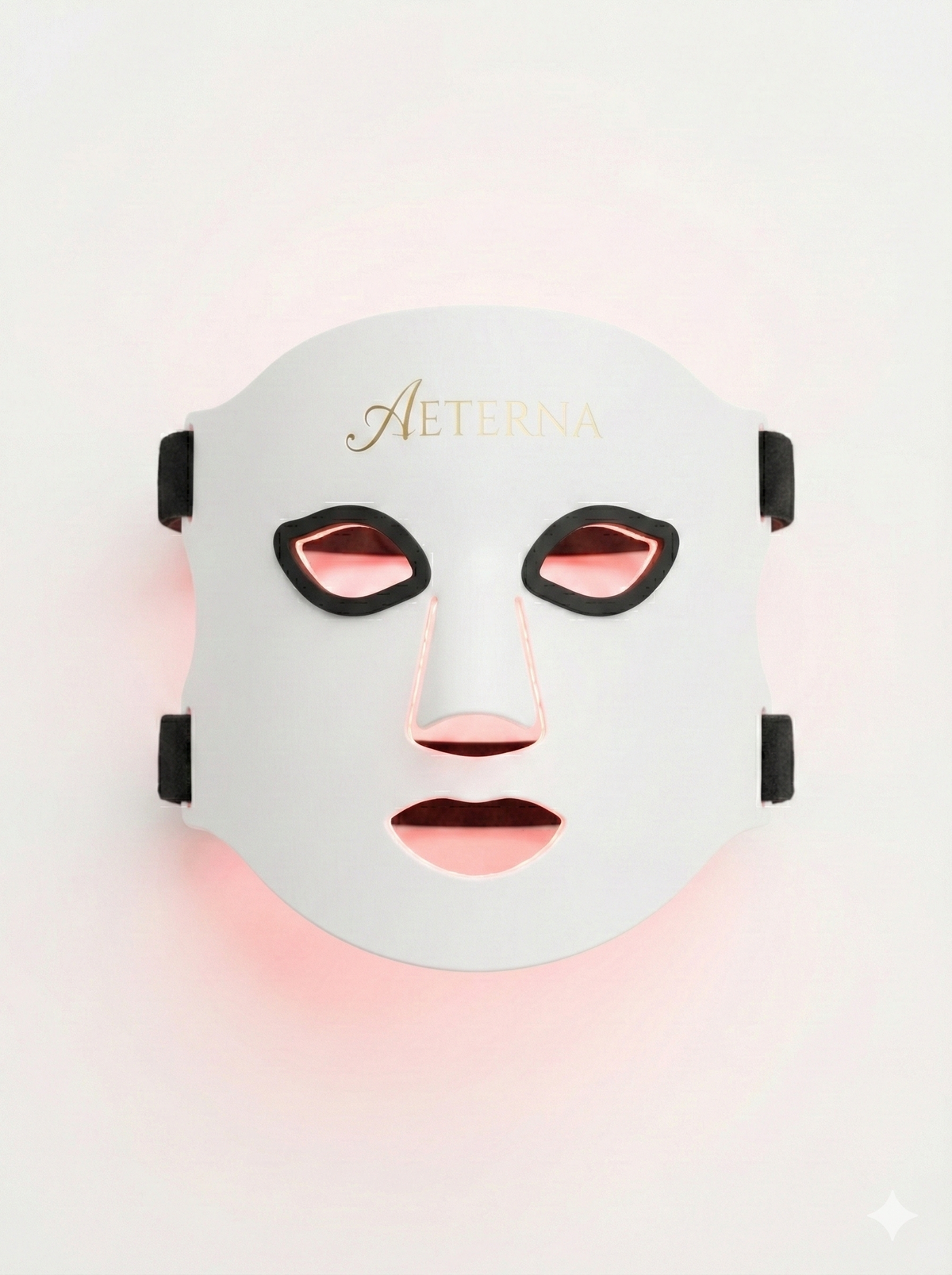
Why Red Light Therapy Masks Are So Popular
The science above helps explain why LED face masks have become one of the most talked-about devices for DIY skin care:
-
They deliver controlled doses of red and near-infrared light.
-
The design keeps light close to the skin for deeper penetration.
-
Masks enable consistent treatment sessions — which research suggests is key to seeing results.
For people focused on beauty and skin health, a red light therapy mask for face targets collagen production, reduces inflammation, and can improve skin texture, tone, and elasticity — all without needles or downtime. A well-designed LED face mask red light therapy can be a powerful tool for skin rejuvenation when used regularly.
At-Home Safety & What to Look For
When choosing the best red light therapy mask or at home red light therapy mask, keep these factors in mind:
✅ Wavelengths in the therapeutic range (~630–660 nm for red, ~800–880 nm for near-infrared)
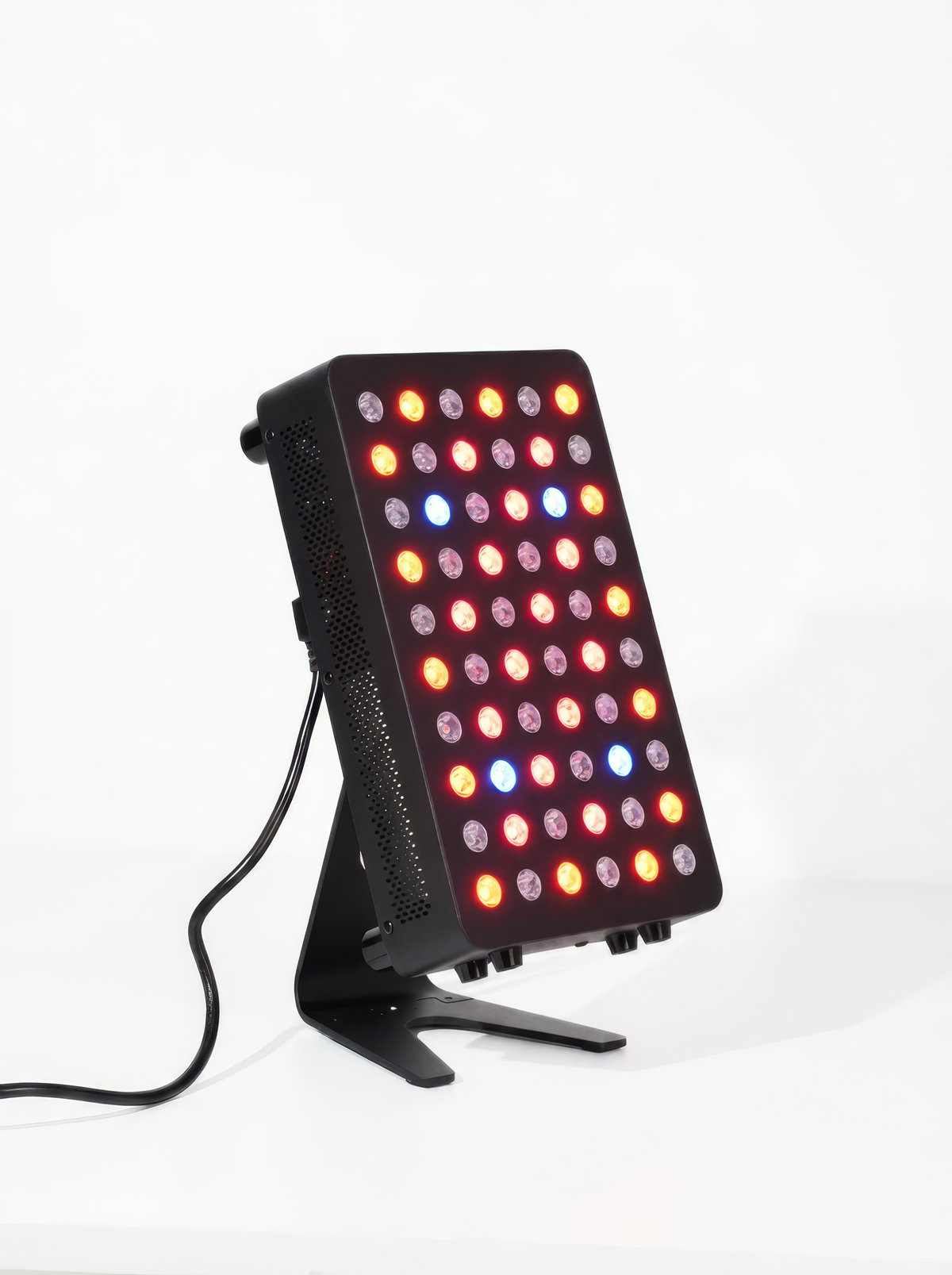
✅ Adequate density of LEDs to cover your face evenly
✅ FDA-cleared or safety-tested devices
✅ Comfortable fit and ease of use for regular treatments
Devices that combine red light with near-infrared may help target both surface skin issues and deeper tissues.
Realistic Expectations
Despite the solid science and growing clinical support, red light therapy is not a magic bullet. Here’s what it’s most useful for:
🌟 Enhancing the quality of wound repair when used alongside medical care
🌟 Supporting improved collagen production and skin elasticity
🌟 Reducing inflammation and redness
🌟 Aiding post-procedure recovery (e.g., after cosmetic treatments)
However, results take consistency. Most studies that showed positive change involved multiple treatments over weeks to months.
Final Thoughts
Red light therapy isn’t new — scientists have studied photobiomodulation for decades, and the evidence for improving wound healing and skin health is among the most consistent. Thanks to advances in LED technology, you no longer need clinical equipment to access these benefits. A quality red light therapy facial mask or LED mask for skin rejuvenation brings these wavelengths into your daily routine in a safe, non-invasive format.
If your goal is to support healing, enhance skin texture, or slow signs of aging, incorporating a dependable red light therapy mask into your routine could be a scientifically supported and convenient strategy.
Sources
Science & clinical evidence from peer-reviewed research and medical writing including studies on red light therapy and wound healing mechanisms
This content is for informational purposes only and is not medical advice.