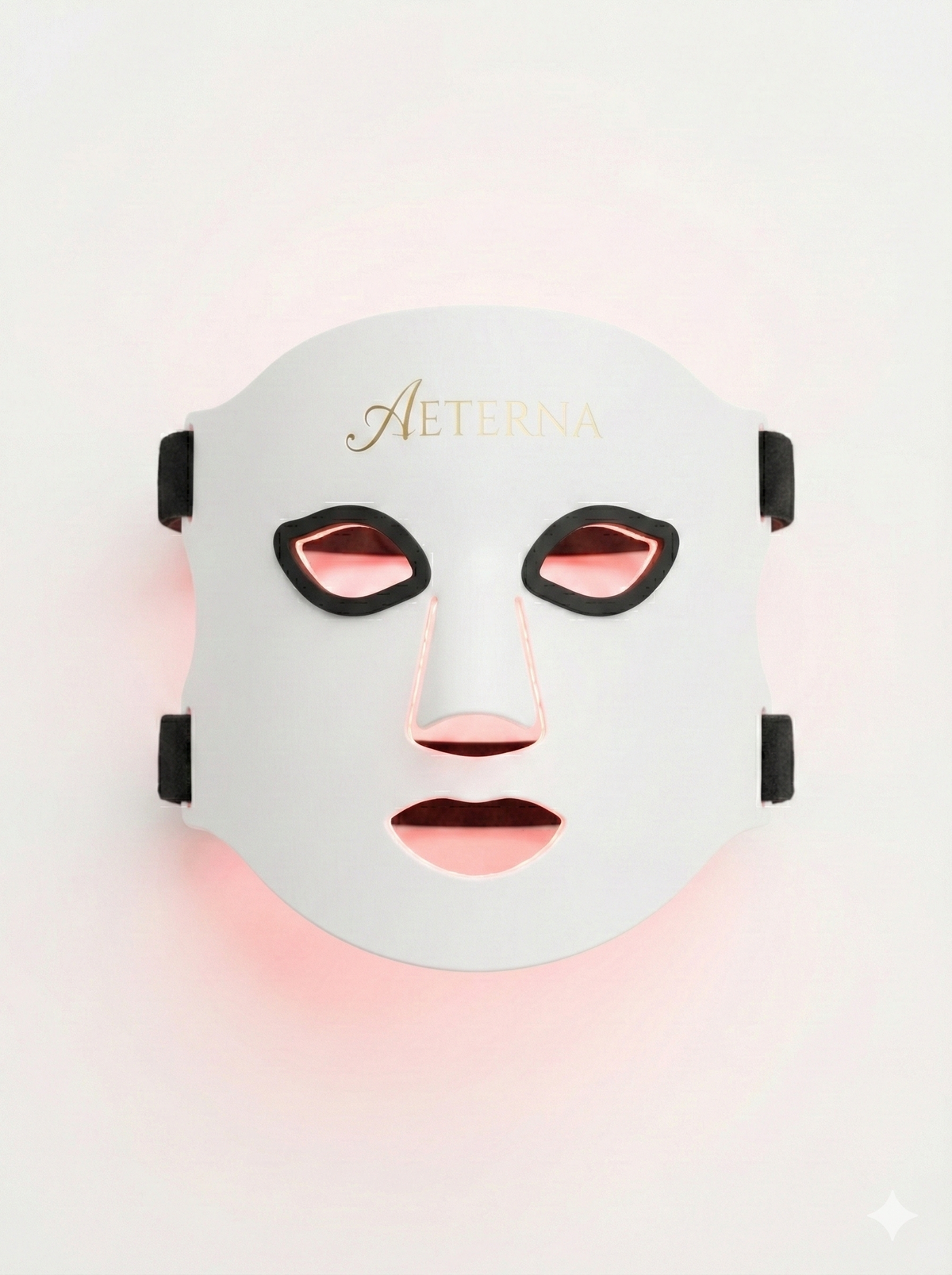

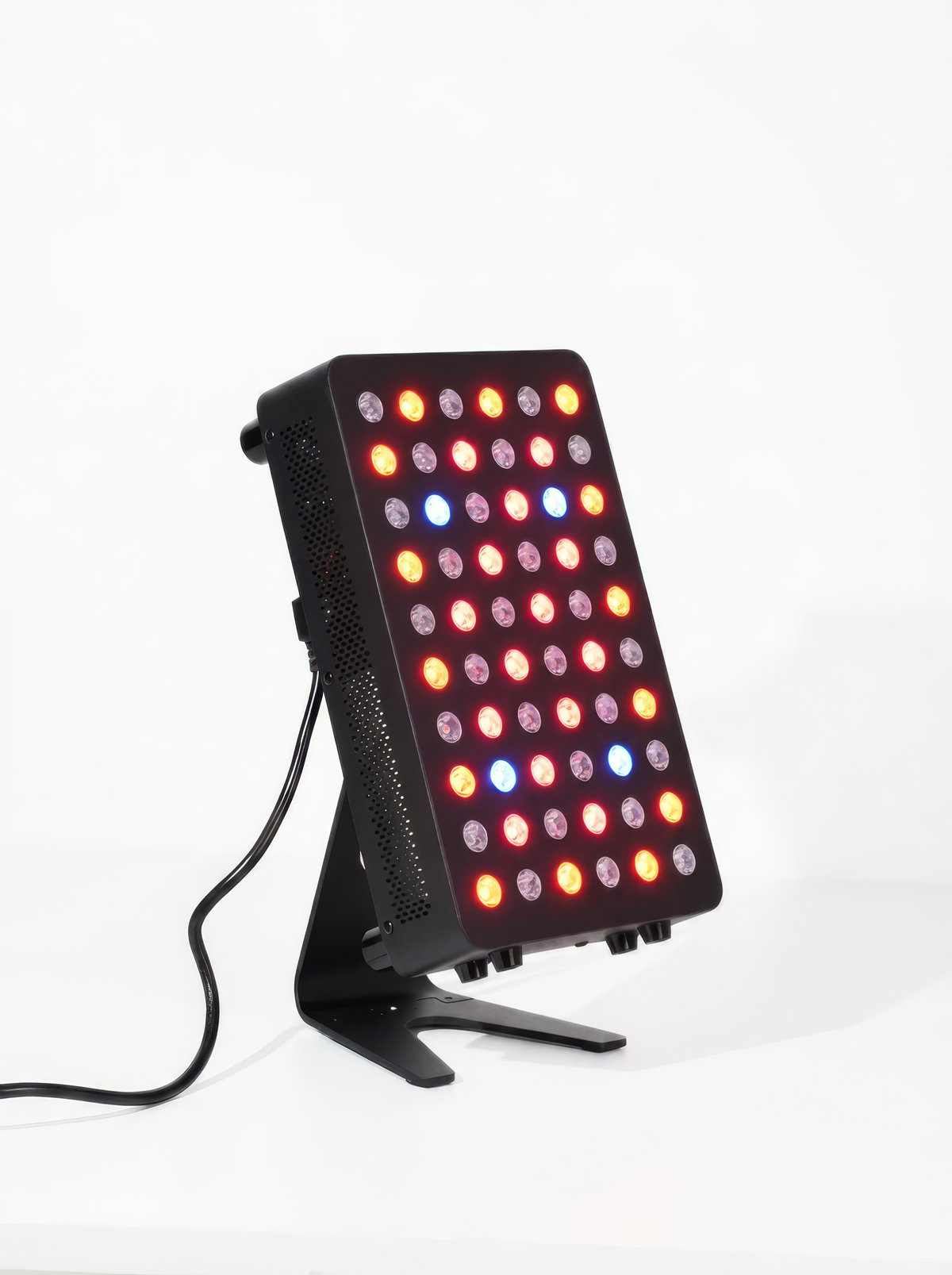


In recent years, red light therapy — also called photobiomodulation (PBM) — has gone from a niche wellness trend to a widely discussed option for everyday health and recovery. Rather than being promoted as a single “miracle cure,” many people are now exploring how regular use of red light can support lifestyle goals, from mood and muscle recovery to inflammation levels and skin health.
Below, we’ll look at what red light therapy really does, what the science says about its benefits, and how it can fit into a balanced wellness routine.
What Red Light Therapy Is (In Simple Terms)
Red light therapy uses specific wavelengths of red and near-infrared light to interact with your body’s cells without heat or damage. When this light penetrates tissue, it can reach cells’ mitochondria — the tiny powerhouses that produce energy (ATP). Some research suggests that this stimulation can lead to biological responses that support healing and overall wellbeing.
The therapy doesn’t rely on UV radiation (which can damage DNA). Instead, it works at lower energy levels that are considered safe and non-invasive, with minimal side effects reported in most studies.
1. Might Support Better Mood and Emotional Well-Being
One of the most interesting emerging areas of research is how red and near-infrared light affects overall wellbeing, especially during times when natural sunlight exposure is limited (like in winter months). In a double-blind clinical trial, participants using PBM at a higher dose experienced consistent benefits in mood and reduced drowsiness, especially during winter when sunlight exposure is low.
This suggests that red light therapy might help support emotional balance when daily routines or seasons make it hard to get regular natural light exposure.
2. May Help Reduce Inflammation
Inflammation underlies many chronic conditions and daily aches — from muscle soreness after exercise to joint stiffness. One of the most reproducible effects of PBM in research is a reduction in inflammation markers and improved cellular function when light is applied repeatedly over time.
This anti-inflammatory effect may be part of why people report feeling less discomfort after using red light therapy to target sore muscles or aching joints. Keep in mind that red light shouldn’t replace medical treatments for serious systemic inflammation, but it may complement lifestyle approaches.
3. Could Support Pain Relief and Muscle Recovery
Several clinical reviews highlight that photobiomodulation can reduce pain intensity in common musculoskeletal conditions such as osteoarthritis, knee pain, back pain, and fibromyalgia.
In practical terms, this means people who use red light therapy regularly — especially around areas of chronic muscle tension or post-workout soreness — may notice less discomfort and better movement over time. This can make physical activity more sustainable, which is an important lifestyle benefit.
4. May Promote Healthier Skin and Cellular Repair
Red light therapy has been studied for skin health for many years. Research shows that wavelengths in the red spectrum may stimulate collagen production, improve skin texture, and help rejuvenate skin cells. In clinical trials evaluating skin parameters, participants showed improvements in complexion, texture, and collagen density after repeated red light sessions compared to control groups.
Dermatology research also supports red light for reducing redness and aiding skin repair, which is one reason it’s FDA-cleared for some cosmetic uses.
5. Possible Benefits for Sleep and Daily Rhythm Regulation
Though not all studies find strong effects on sleep patterns, some research suggests people using near-infrared PBM reported less difficulty falling asleep and improved deep sleep, especially if light exposure was consistent and timed appropriately.
Sleep quality is foundational to wellbeing — affecting mood, metabolism, and recovery — so even modest improvements can have noticeable lifestyle benefits.
6. Encouraging Cellular Health and Energy Production
At the cellular level, red light may help increase ATP production — the energy that cells use to perform functions like repair, growth, and immune response. This may contribute to a general feeling of increased energy and resilience over time.
Think of it like giving your cells a boost of efficient energy, which could help support everyday activities and recovery from daily physical stressors.
How Red Light Fits into a Healthy Lifestyle
Red light therapy isn’t a stand-alone solution, and it’s not marketed by researchers as a “magic wand.” But viewed as a complementary tool, it can make sense in the context of a lifestyle that already includes:
-
Regular movement and exercise
-
Sleep and circadian rhythm support
-
Consistent exposure to natural light when possible
-
Balanced nutrition
-
Stress-management practices
Incorporating red light therapy along with these habits can support overall wellbeing, especially if you’re using it with realistic expectations and good consistency.
Tips for Using Red Light Therapy at Home
-
Consistency matters: Most studies showing benefits involved repeated sessions (multiple times per week) over several weeks.
-
Know your device: Wavelengths and power levels vary. Devices used in clinical research are often more powerful than consumer models, though home devices can still have benefits with regular use.
-
Protect your eyes: Especially if using near-infrared light around the face.
-
Follow manufacturer guidance: Each device may have specific recommendations for duration and frequency.
A Balanced Perspective
While red light therapy is safe for most people and shows promise across many lifestyle areas, researchers caution against expecting dramatic effects overnight. Many benefits — especially mood, recovery, and cellular support — tend to accumulate over time with regular exposure.
It’s also worth noting that red light therapy works best when combined with healthy lifestyle habits, not as an alternative to them.
Final Thoughts
Red light therapy isn’t a cure-all, but the science supports a range of lifestyle benefits that make it worth considering as part of a balanced health strategy. From lowering inflammation and easing muscular discomfort to supporting mood and skin health, this form of light therapy helps amplify the effects of healthy habits by working at the cellular level — safely and non-invasively.
If you’re curious whether adding red light therapy to your routine could complement your wellness goals, it’s a good idea to talk with a healthcare provider or wellness professional experienced with PBM. That way you can tailor its use to your specific lifestyle needs.
This content is for informational purposes only and is not medical advice.