


Back pain affects millions of adults every year — from someone who spends long hours at a desk to athletes pushing their limits in training. While exercise, stretching, physical therapy, and medication are common approaches, many people are turning to newer options like red light therapy for relief.
But what does science really say? Below, we explore how red light therapy works, what research shows about its effects on back pain, and important things to consider before trying it.
What Is Red Light Therapy?
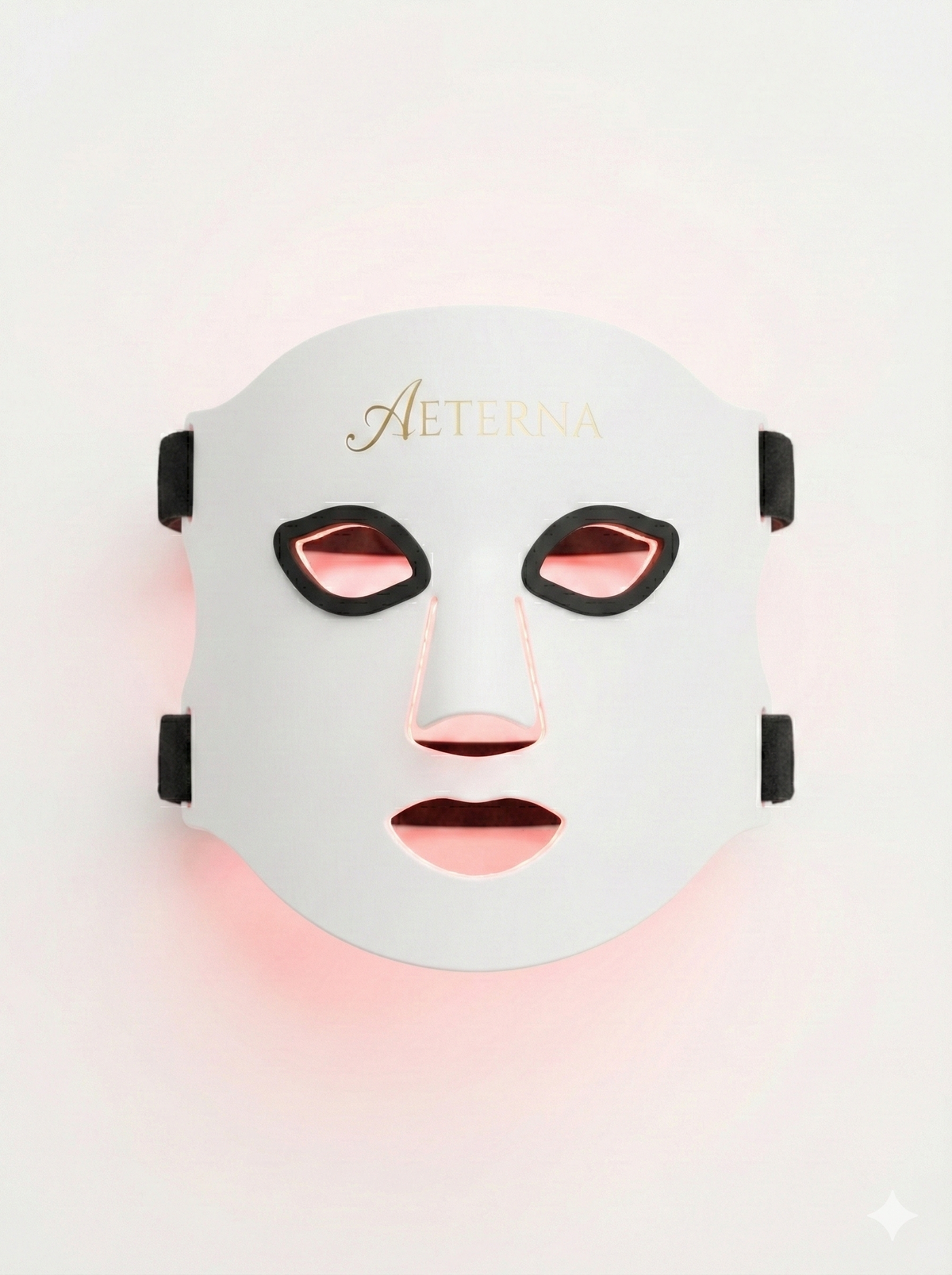
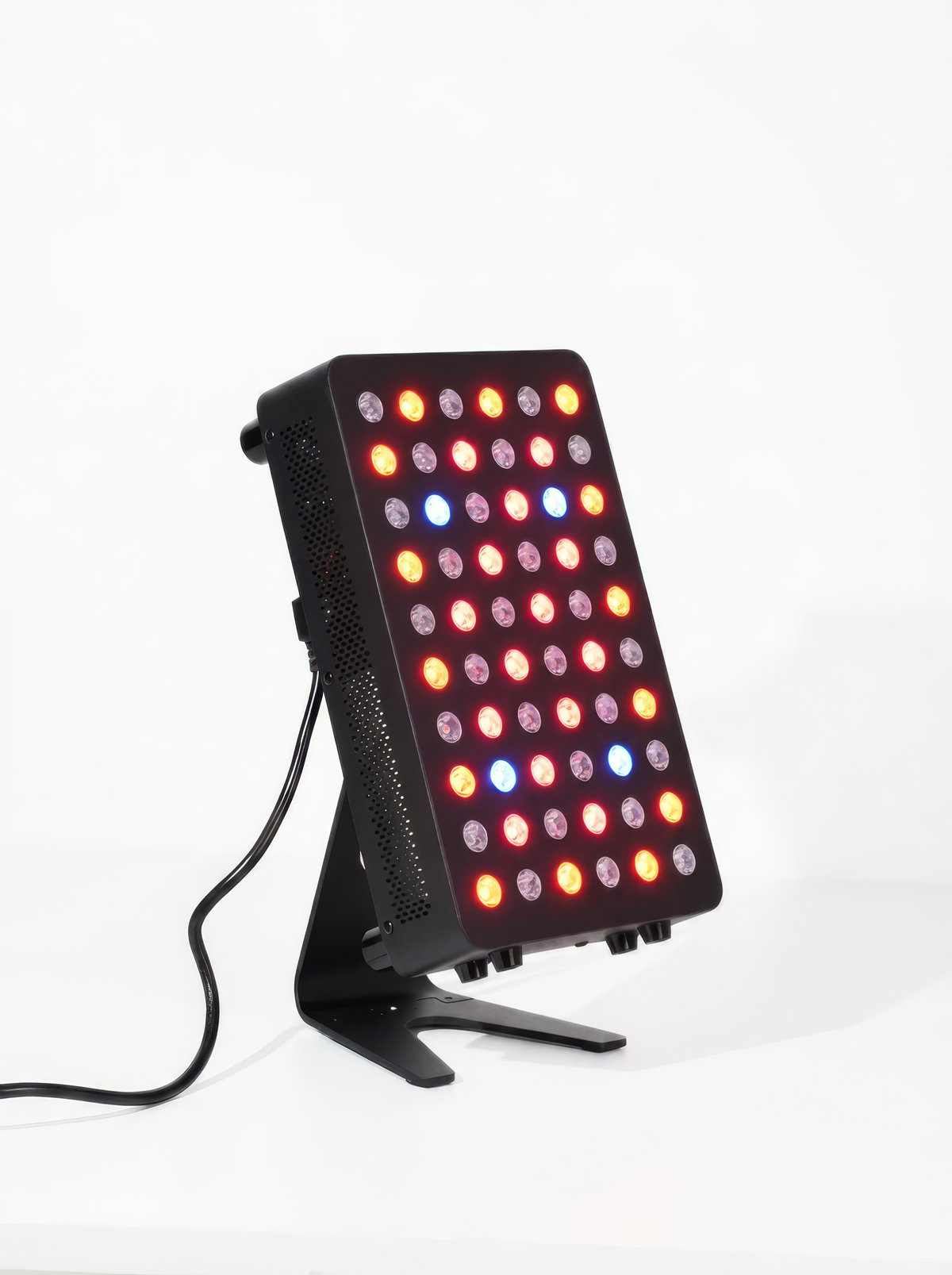
Red light therapy (RLT) — also called photobiomodulation therapy or low-level light therapy — uses specific wavelengths of light (typically in the red and near-infrared range) to interact with cells and tissues without heat or damage. Unlike UV light from the sun (which can damage skin), red light is believed to support cellular energy and repair through a process that stimulates mitochondria — the energy centers in cells. This mechanism may help reduce inflammation, promote cellular healing, and ease pain.
How Back Pain Happens
-
Muscle strain or sprain
-
Disc degeneration or herniation
-
Inflammation from overuse or injury
-
Poor posture or repetitive movement
Most back pain starts suddenly (acute) and resolves within weeks, but a significant portion becomes chronic, lasting longer than three months and affecting daily life. Treatment options typically focus on pain control, inflammation reduction, and improving mobility.
What Research Says About Red Light Therapy and Back Pain
1. Evidence for Pain Relief
Some clinical studies indicate that light-based therapies, including red light and low-level laser therapy, can reduce pain scores in people with chronic back pain. For example, one randomized controlled trial found that adults treated with an active low-level laser device experienced a significant reduction in back pain and disability scores compared with a sham-treatment group — even at 12-month follow-up.
This outcome suggests red light therapy may not just provide short-term relief, but potentially longer-lasting benefits when used consistently.
2. Systematic Review Findings
Not all research shows clear benefits. A systematic review of 12 randomized studies on photobiomodulation found that, for some people with non-specific low back pain, red light or laser treatment did not produce clinically important reductions in pain or disability compared to placebo or other treatments.
This highlights that while many individuals may experience relief, the effects can vary and aren’t guaranteed for everyone.
3. How Red Light Might Work
The science behind pain relief isn’t just hopeful — there’s a biological basis. Red and near-infrared light appear to:
-
Lower levels of pro-inflammatory molecules, reducing inflammatory pain signals
-
Enhance mitochondrial activity, increasing cellular energy for repair
-
Improve blood flow to injured tissues
-
Promote collagen production, aiding connective tissue healing
-
Calm the nervous system’s pain receptors
These mechanisms help explain why some people notice better muscle recovery and reduced discomfort after repeated RLT sessions.
4. Benefits Beyond Back Pain
Red light therapy has been studied for other conditions involving inflammation and pain — including osteoarthritis, tendon injuries, and fibromyalgia. A 2021 review suggests that RLT may help reduce pain in various musculoskeletal conditions, though researchers agree that more high-quality trials are needed to confirm effects across different populations.
How Many Sessions Does It Take?
Research suggests that consistency matters. Most beneficial effects are reported after regular use — often multiple times per week over several weeks. Individual results vary depending on:
-
Severity of pain
-
Type of device used (LED panel vs. laser)
-
Duration and frequency of sessions
-
Combination with other therapies (e.g., physical therapy)
Always follow device manufacturer guidelines or professional healthcare advice for frequency and duration.
Pros and Cons: A Balanced Look
👍 Potential Benefits
-
Non-invasive and drug-free
-
Low risk of side effects
-
May reduce inflammation and cellular stress
-
Helps some people find pain relief without medication
-
Can be used alongside physical therapy
⚠️ Limitations
-
Not universally effective for all types of back pain
-
Evidence is mixed — some studies show minimal effects
-
Results often depend on frequency and duration
-
Not a replacement for diagnosing underlying structural issues like disc herniation or nerve compression
Who Might Benefit Most?
Red light therapy may be worth exploring if you:
✔ Have chronic or persistent back pain
✔ Want a non-drug pain management option
✔ Experience inflammation or muscle discomfort
✔ Are already following conventional treatments (e.g., physiotherapy) but want an additional tool
Conversely, it’s less likely to replace medical treatments if your back pain is due to serious structural problems requiring surgery or specific medical interventions.
Key Takeaways
-
Red light therapy is a non-invasive approach that shows promise for easing some back pain through cellular healing and inflammation reduction.
-
Clinical research is growing but mixed — some studies show meaningful pain reduction, while others find minimal or no difference from placebo.
-
Benefits appear most consistent when RLT is used consistently over weeks, ideally under professional guidance or as part of a broader care plan.
-
If you’re considering red light therapy, consult a healthcare provider first to make sure it fits your situation and goals.
This content is for informational purposes only and is not medical advice.