


Your thyroid gland — a small butterfly-shaped organ at the base of your neck — plays an outsized role in your health. It influences metabolism, energy, mood, skin quality, and even how your body uses hormones. When thyroid function is disrupted, conditions like hypothyroidism or Hashimoto’s thyroiditis can trigger fatigue, weight changes, dry skin, hair thinning, and more.
In recent years, you may have heard about red light therapy as a potential way to support thyroid health. But does it deliver real benefits, or is it just buzz? Below, we explore what science says, how the therapy works, and where devices like a red light therapy mask fit in.
Understanding Red Light Therapy in Simple Terms
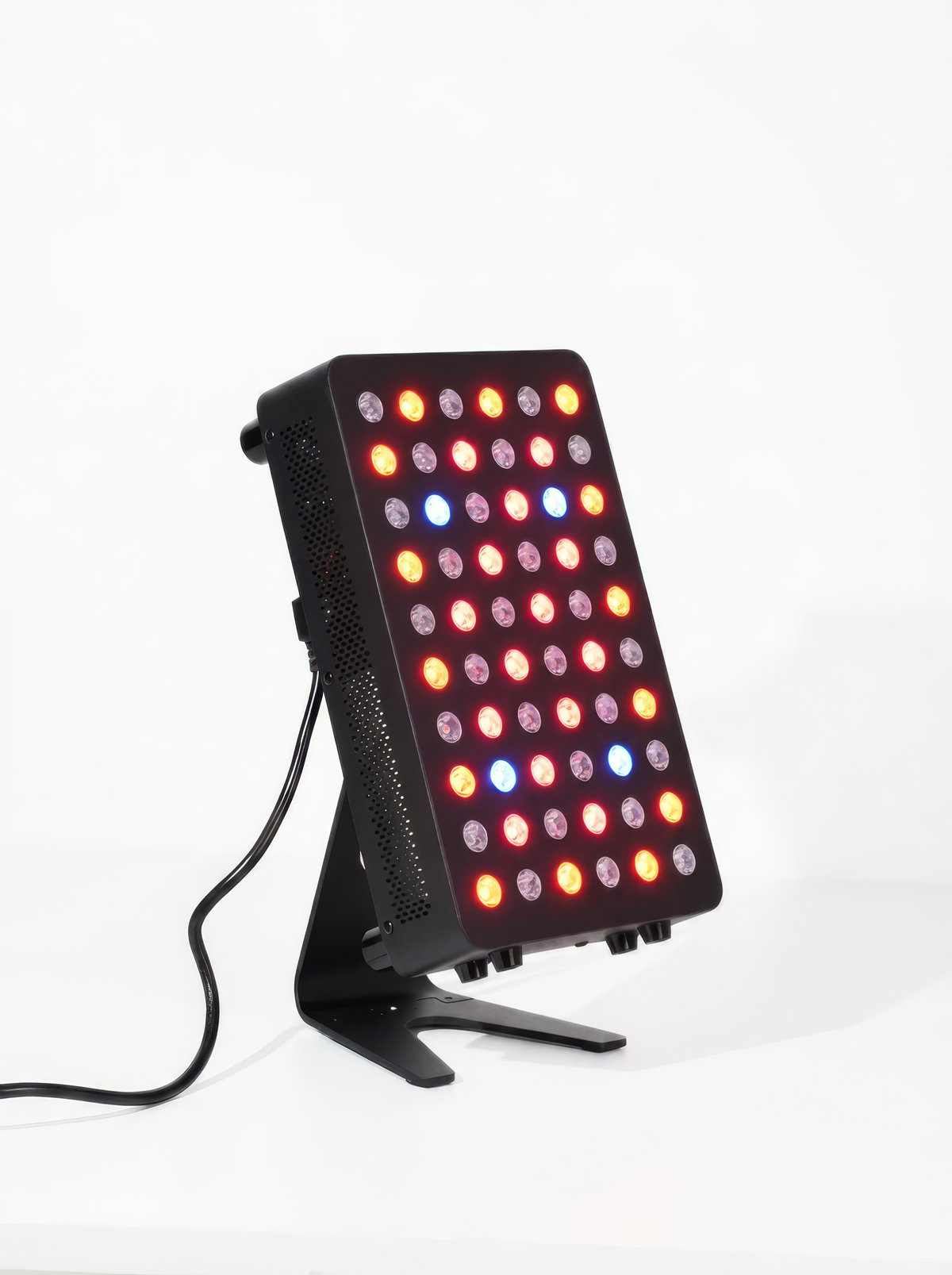
Red light therapy — also called low-level light therapy or photobiomodulation — uses specific wavelengths of red and near-infrared light that are absorbed by cells without heat or damage. This light reaches mitochondria (the energy producers in cells), which can lead to increased ATP (cellular energy), reduced inflammation, and improved cellular repair.
It’s the same basic mechanism whether you’re using a full-body LED panel or a smaller, at home red light therapy mask.
What the Research Says About Thyroid Function
The thyroid — because it sits so close to the skin — is a promising target for photobiomodulation. Some clinical studies and research trials have looked at whether red light therapy can affect thyroid function, especially in people with autoimmune thyroid conditions such as Hashimoto’s thyroiditis.
1. Improved Thyroid Hormone Balance
A study published in Lasers in Medical Science showed that photobiomodulation could improve thyroid function in people with hypothyroidism caused by chronic autoimmune thyroiditis. Participants who received light therapy showed increases in the T3/T4 hormone ratio and meaningful decreases in thyroid peroxidase antibodies (anti-TPO), which are markers of autoimmune activity.
These changes suggest improved hormone production and decreased immune attack on the thyroid, which may help explain why some patients experienced reduced medication needs.
2. Reduced Autoimmunity and Inflammation
Autoimmune thyroiditis involves persistent inflammation and immune system activity that damages thyroid cells. A systematic review of photobiomodulation research found that low-level laser therapy (PBM) can modulate immune responses and reduce inflammatory signaling — both of which are relevant to autoimmune thyroid conditions.
By calming inflammation, red light therapy may help preserve thyroid tissue and reduce ongoing damage, even if it doesn’t cure the underlying condition.
3. Supporting Thyroid Tissue Regeneration
Some animal studies and clinical observations indicate that photobiomodulation may promote microcirculation (blood flow) in thyroid tissue, which improves oxygen and nutrient delivery. Improved circulation combined with reduced oxidative stress may help thyroid cells repair more effectively.
So … Does Red Light Therapy Work for Thyroid Issues?
Yes — but with context and caution. Here’s what that means:
✅ What It Can Offer
-
May support better hormone balance (T3, T4, TSH ratios)
-
Potential to reduce autoimmune markers (anti-TPO)
-
Might help some people lower medication doses under clinical supervision
-
Can improve cellular energy and reduce inflammation
⚠️ What It Cannot Do
-
Replace thyroid hormone medications prescribed by a doctor
-
Cure autoimmune thyroid disease
-
Guarantee results for everyone
Many medical experts emphasize that while results are promising, more large-scale, long-term clinical trials are still needed to fully establish red light therapy as a standard thyroid treatment.
What About “Red Light Therapy Before and After”?
People often share before-and-after photos and stories for things like skin texture or acne. For thyroid health, the changes aren’t usually visual in the same way. Instead, improvements may show up as:
-
Better lab results (hormone levels, antibody markers)
-
Reduced fatigue
-
Less hair thinning
-
Improved skin quality (because thyroid function affects skin health)
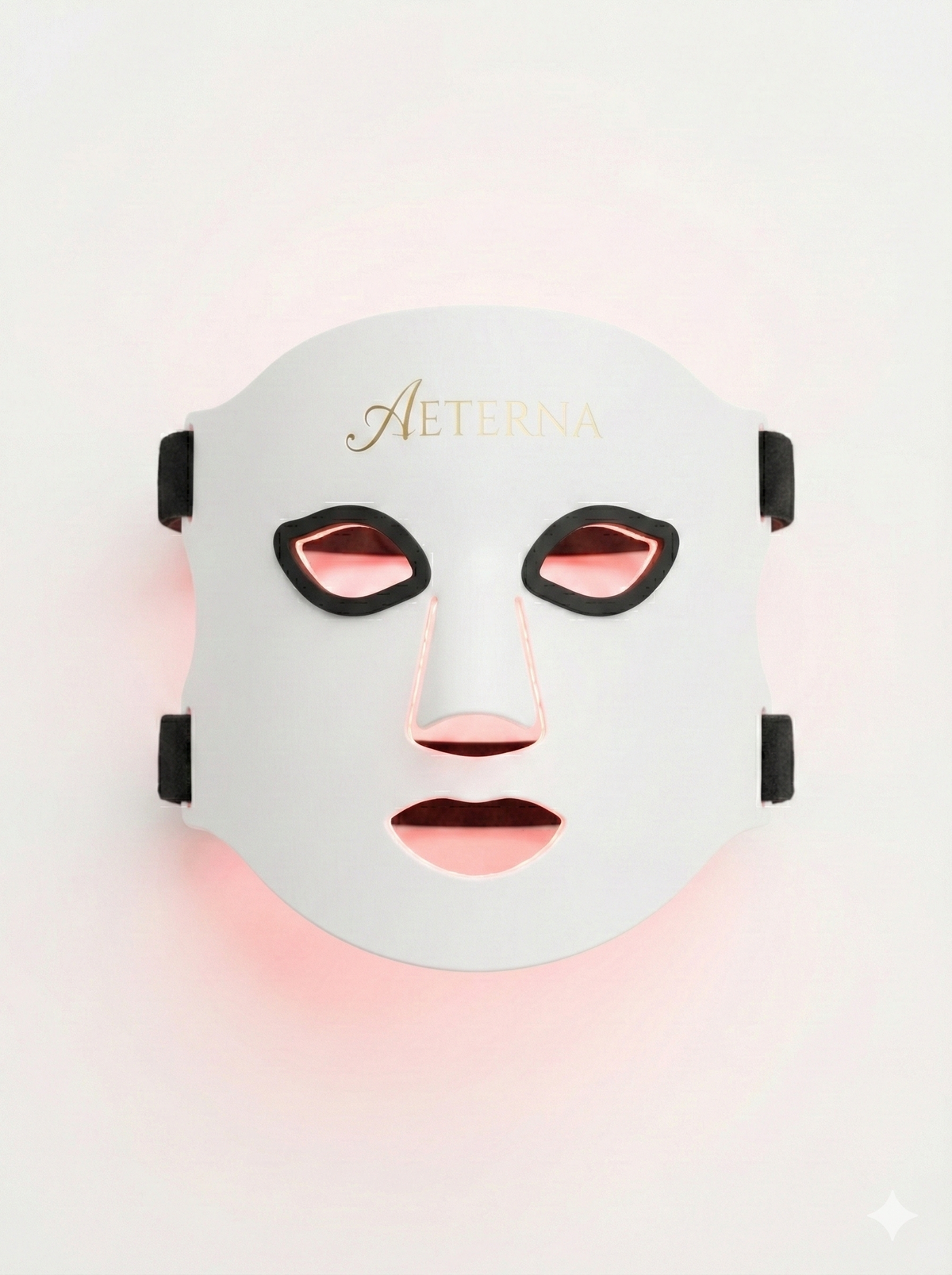
This overlap is where devices like an LED face mask red light therapy can be relevant. While a red light therapy mask for face isn’t designed specifically for thyroid gland treatment, stimulating cellular energy and circulation in the neck and face area may support overall tissue health — including skin that often becomes dry or dull with hypothyroidism.
Can a Red Light Therapy Mask Help Your Thyroid?
A red light therapy mask isn’t a medical device for treating thyroid dysfunction, but the underlying photobiomodulation effects do reach tissues beyond just skin cells.
For people who:
-
Want general cellular support
-
Have dry or thinning skin linked to thyroid imbalances
-
Are looking to complement conventional treatments
…a high-quality device can be part of a broader wellness routine.
Many readers pursuing skin tightening or collagen benefits choose masks because they enhance skin elasticity and texture. These benefits are separate from thyroid function but speak to the broader value of consistent photobiomodulation. Devices that rank as the best red light therapy mask often deliver therapeutic wavelengths that support both skin and deeper tissue responses when used regularly.
How Red Light Therapy Compares to Other Treatments
Red Light Therapy vs Retinol
Retinol is a topical skin treatment that works by accelerating cell turnover, but it can be harsh, especially if skin is already compromised by thyroid imbalance. Red light therapy works deeper, improves circulation, and doesn’t irritate the barrier — making it a gentler option for skin rejuvenation.
Red Light Therapy vs Microneedling
Microneedling works by inducing controlled micro-injury to stimulate collagen. Red light therapy stimulates cellular function without injury or downtime — an advantage for people with sensitive skin or hormonal fluctuations.
Safety and Considerations
Red light therapy is generally considered safe when used according to manufacturer guidelines. Devices like at home red light therapy masks are designed for repeated use and typically do not emit harmful levels of energy.
However:
-
Always consult your doctor if you are on thyroid medication
-
Avoid stopping medication without medical advice
-
Follow recommended session times and wavelengths
Final Thoughts
Emerging research suggests that red light therapy may support thyroid health by improving hormone balance, reducing autoimmune markers, and enhancing cellular energy — especially when used in combination with proper medical care and lifestyle factors.
While a red light therapy mask isn’t a medical treatment for thyroid disease, its benefits for cellular health, skin quality, and inflammation make it a worthwhile complementary tool, especially when you choose a high-quality, home-use device.
Whether you’re exploring it for thyroid support, skin rejuvenation, or overall cellular health, understanding how red light therapy works gives you a clearer picture of what to expect — and how to integrate it safely into your routine.
This content is for informational purposes only and is not medical advice.