


Reducing belly fat is a top concern for many people — not just for how a slimmer waist looks, but because excess abdominal fat is linked to health risks like insulin resistance and heart disease. Everyone knows that diet and exercise play major roles in fat loss. But recently, a newer technology has been gaining attention: red light therapy — also known as photobiomodulation (PBM) or low-level laser therapy (LLLT) — for fat reduction and body contouring.
But does it actually work to shrink belly fat? Let’s break down the science, what research shows, and how realistic the results really are.
What Is Red Light Therapy and How Might It Affect Fat?
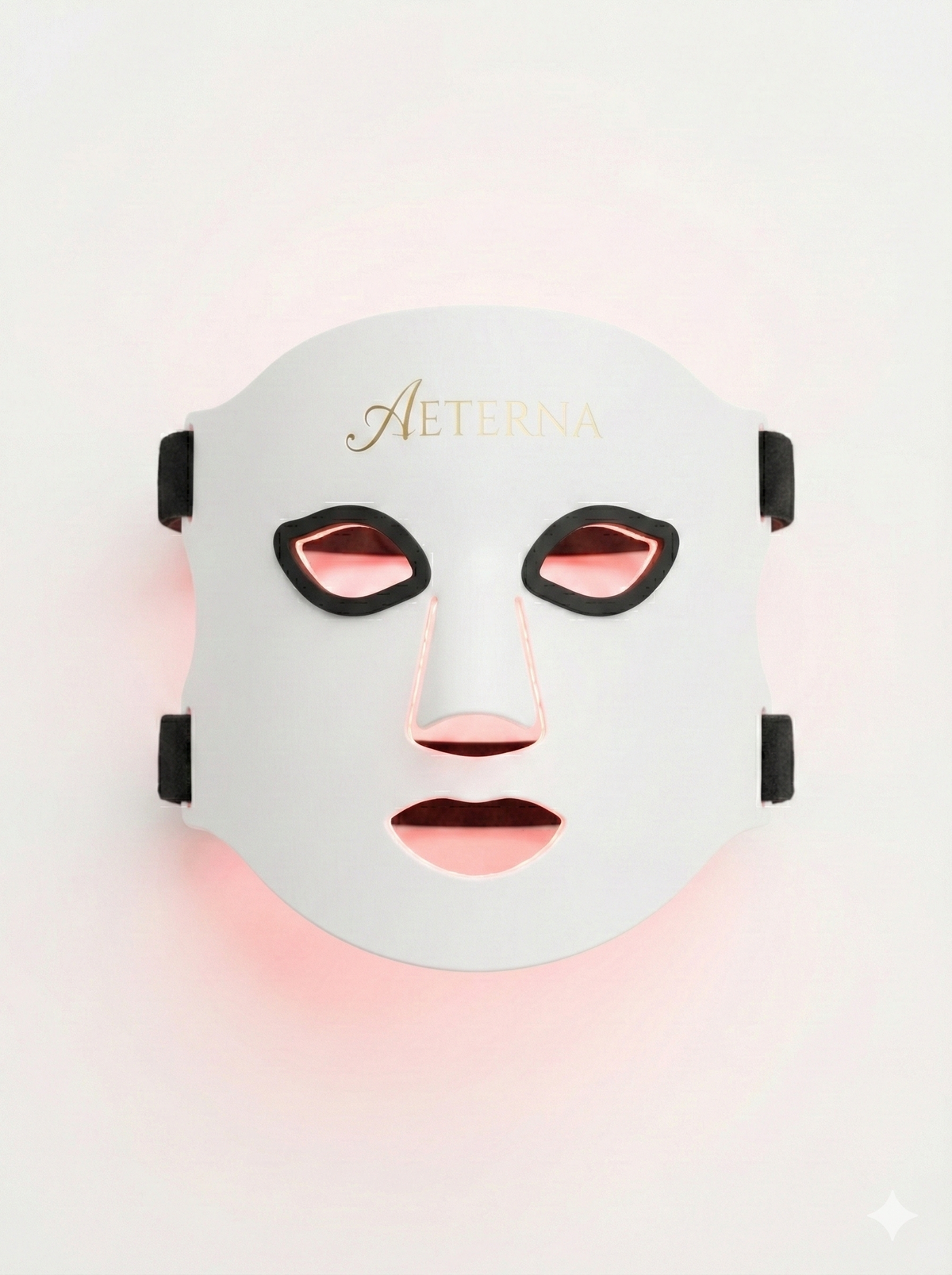
Red light therapy delivers specific wavelengths of red and near-infrared light to the skin. These wavelengths interact with cells in a way that may influence their function, especially within mitochondria — the tiny “powerhouses” inside cells. The idea is that light might help cells produce more energy and stimulate metabolic processes.
When it comes to fat, researchers have proposed two possible mechanisms:
-
Temporary changes in fat cells: Light may create tiny, temporary pores in the membrane of fat cells, possibly causing stored fats (lipids) to leak out, which the body can then metabolize.
-
Metabolic stimulation: Red and near-infrared light might boost cellular metabolism and influence how fat tissue uses energy.
However, it’s important to note that fat cell death — meaning permanently removing fat cells — is not how red light therapy works. Instead, it may help with modest changes to fat cell size, which is why it’s often discussed as a body-contouring tool rather than a weight-loss therapy.
Does Research Show Real Belly Fat Reduction?
Clinical Studies on Fat Reduction
A number of clinical trials and investigations have looked at red or near-infrared light for targeted fat reduction:
-
Small reductions in abdominal circumference: Several studies have reported statistically significant reductions in belly and waist measurements after PBM or low-level laser therapy focused on the midsection. These reductions are usually modest and measured in centimeters rather than large inches.
-
Low-level laser therapy research: Early research dating back over a decade (e.g., Caruso-Davis et al.) showed that LLLT could reduce fat layer thickness in treated areas like the waist and hips, suggesting potential for targeted fat loss.
-
Combination with exercise may enhance effects: Some trials using red and near-infrared LED phototherapy together with aerobic exercise showed greater abdominal fat reduction compared to exercise alone.
Mixed and Modest Outcomes
It’s worth noting that:
-
In some studies, the overall evidence is mixed — meaning not all trials show a strong effect, and protocols (like how often the light is applied) vary widely.
-
Reviews and clinical authors point out that while red light exposure can affect adipose (fat) tissue, the changes are often modest and not consistent enough to claim dramatic fat loss.
Red Light Therapy vs Traditional Fat Loss Approaches
It’s very important to put red light therapy into perspective:
What Red Light Therapy Might Do
✔ May cause slight reductions in belly/waist circumference when used consistently
✔ Can be applied safely as a non-invasive procedure
✔ Shows some effects when combined with exercise or diet support
What Red Light Therapy Isn’t
✘ A standalone fat loss treatment
✘ A substitute for calorie control, strength training, or aerobic exercise
✘ A method that permanently eliminates fat cells like surgical procedures (e.g., liposuction)
Medical experts generally view red light therapy as part of a body-contouring toolkit, not a primary obesity treatment. It might help trim stubborn fat pockets that are otherwise hard to reduce, but it won’t replace the need for consistent lifestyle changes.
How It’s Typically Used
In research and clinical practice:
-
Sessions are often scheduled multiple times per week over several weeks.
-
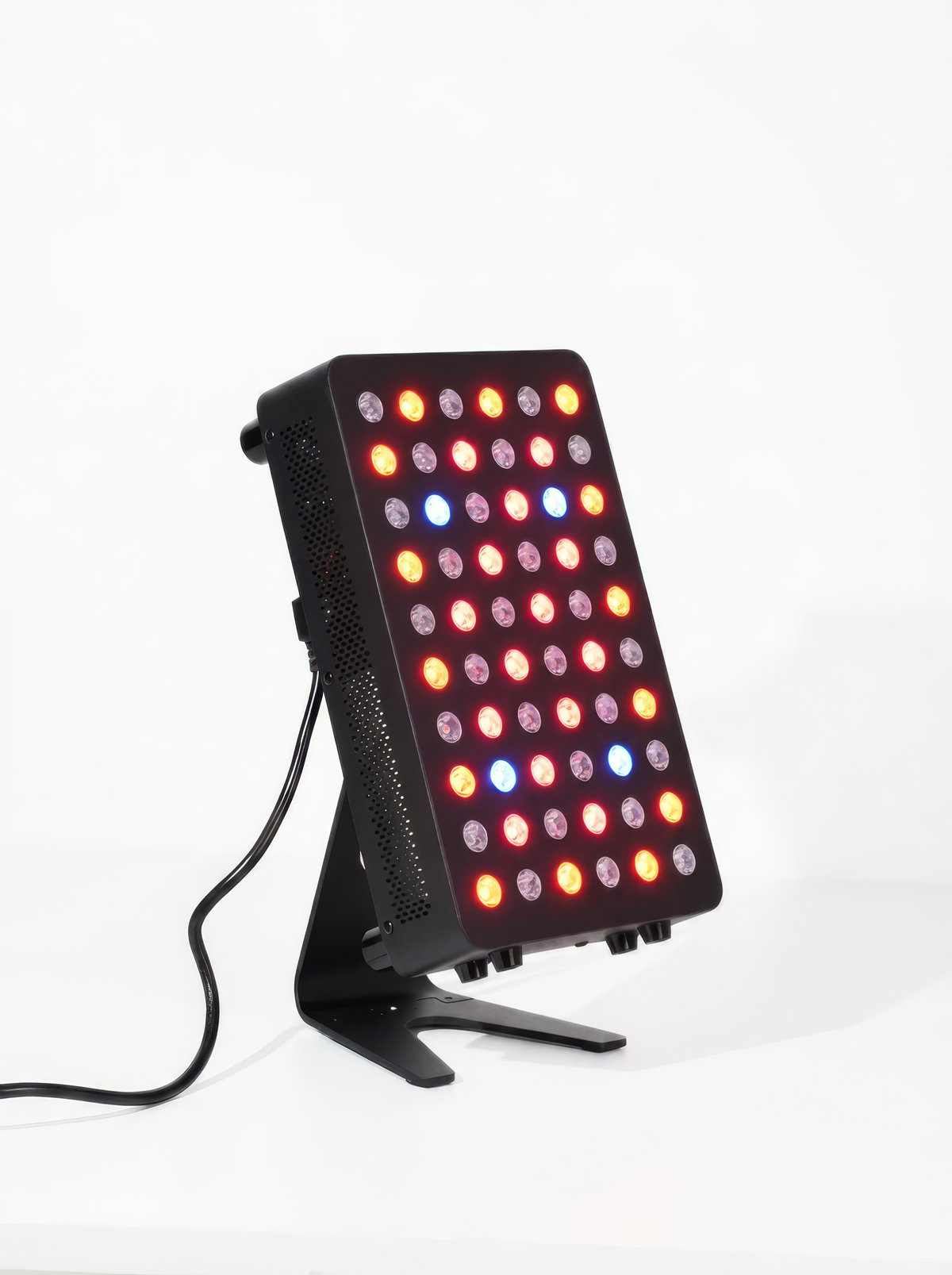
Full-body or localized light panels are positioned over the abdominal area.
-
Some studies combine light therapy with exercise to amplify effects.
The specific devices, wavelengths (often around 630–850 nm), and treatment durations vary, which is part of why results differ between studies.
What Experts Say About Red Light and Belly Fat
Scientific reviews emphasize a few key points:
-
Red light therapy has potential for body contouring and reducing measurements like waist circumference.
-
Many existing studies are small, short-term, and use different protocols, making it difficult to compare results directly.
-
Lifestyle factors like diet and physical activity are far more powerful drivers of fat loss than light therapy alone.
In short, red light therapy can be a helpful supplement for toning or inch loss, but it’s not a shortcut that overrides healthy habits.
Is Red Light Therapy Worth Trying for Belly Fat?
Here’s a realistic summary:
Pros
-
Non-invasive and generally safe
-
Some evidence of modest inch loss around the waist
-
Works best when paired with exercise and diet changes
Cons
-
Effects are subtle — results often require many sessions
-
Not a stand-alone solution for fat loss
-
Research is promising but not yet definitive
Final Thoughts
Red light therapy has some scientific support for helping reduce belly fat measurements and improving body contouring when applied correctly — especially as part of a healthy lifestyle. Yet, the effects are usually modest, and the strongest evidence supports it as a complementary tool rather than a primary method for fat loss.
If you’re considering it, approach it as an enhancement to your existing diet, exercise, and wellness routine — not a magic fix. And always pair emerging technologies with the fundamentals: balanced nutrition, consistent activity, and sustainable habits for long-term health.
This content is for informational purposes only and is not medical advice.