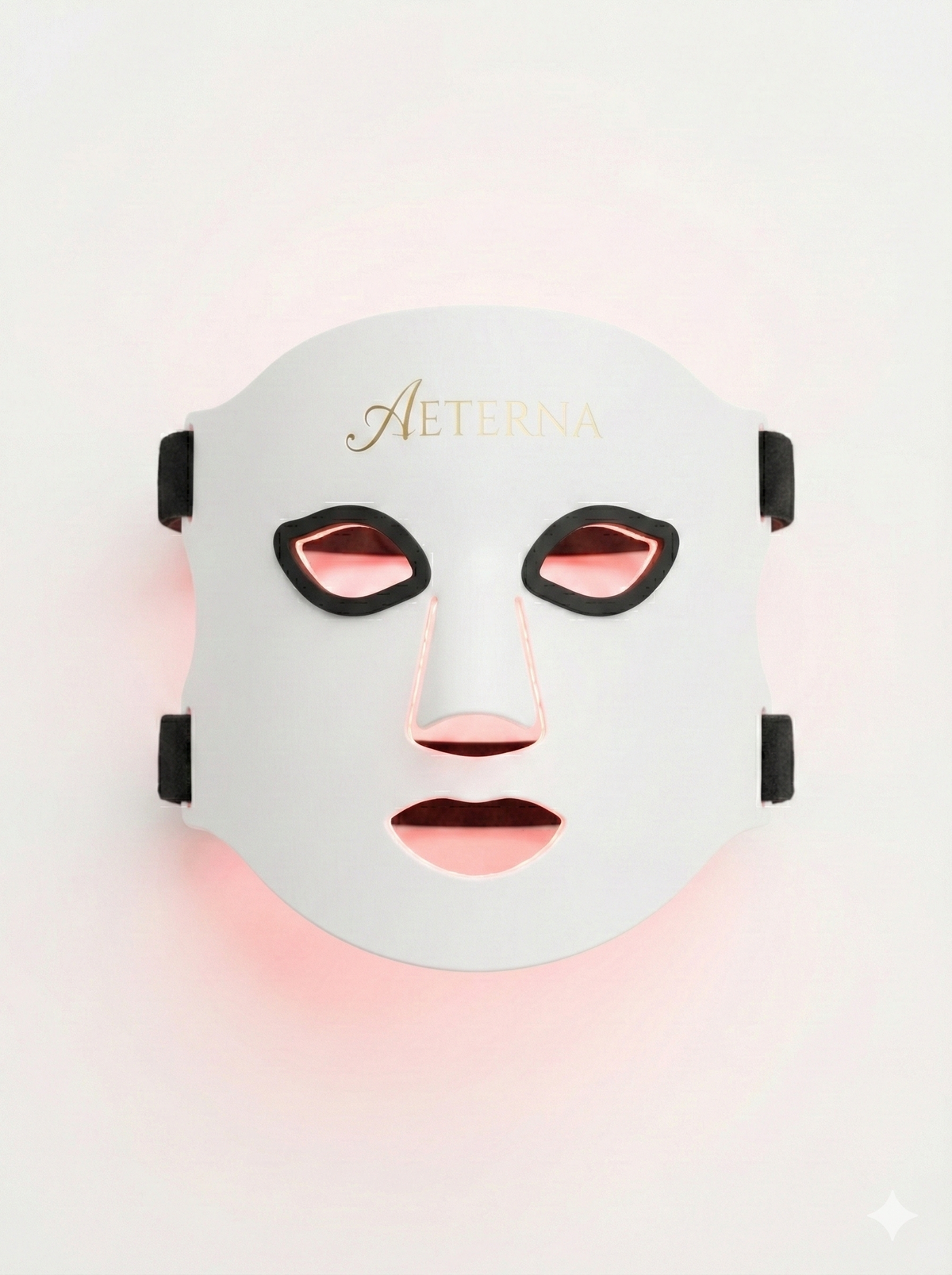

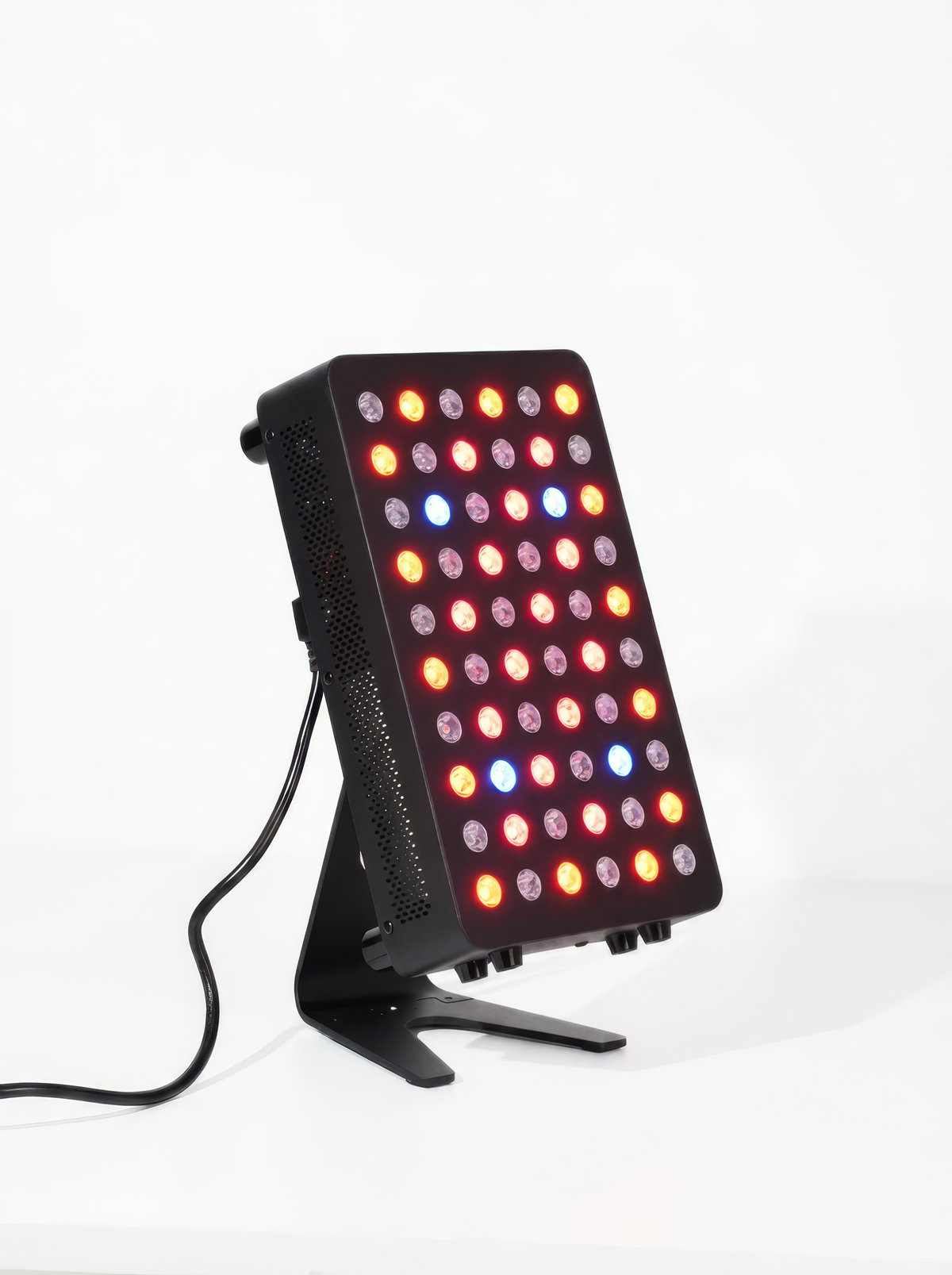


Living with post-traumatic stress disorder (PTSD) can feel like the past is always present. Flashbacks, persistent anxiety, sleep disruption, and emotional numbness can make everyday life feel heavy and unpredictable. Traditional treatments like therapy and medication help many people, but not everyone responds well — and some seek non-invasive alternatives to complement standard care.
One of the emerging approaches gaining attention is red light therapy — a gentle, light-based technique that may influence brain function and stress regulation. But what does research really say about its use for PTSD symptoms, and how does it compare with established treatments?
Let’s break it down.
What PTSD Is and Why It’s Hard to Treat
PTSD is a mental health condition that develops after exposure to traumatic events — from combat zones and natural disasters to personal assaults or severe accidents. Symptoms often include:
-
Intrusive memories or flashbacks
-
Avoidance of reminders of the trauma
-
Negative mood or thoughts
-
Hyperarousal (difficulty sleeping, increased irritability)
These symptoms affect daily functioning and quality of life, and they involve changes in the brain regions responsible for fear processing, memory, and emotional regulation. Effective treatment often requires a multi-modal approach tailored to the individual.
How Red Light Therapy Works (And Why It Might Matter)
Red light therapy — also called photobiomodulation (PBM) — uses specific wavelengths of red and near-infrared light to stimulate cellular activity without heat or damage. Research suggests that this type of light may:
-
Improve mitochondrial function (energy production in cells)
-
Enhance blood flow and oxygen delivery
-
Reduce inflammation
-
Support neuroprotection and recovery in stressed brain tissue
These biological responses are why PBM is being studied not just for physical healing, but also for neurological and psychological effects. The idea is that improving the brain’s cellular environment could help regulate stress responses and improve emotional balance.
Scientists are investigating PBM using transcranial (through the skull) application, targeting areas involved in mood, memory, and stress regulation.
What Research Says About PBM and PTSD
While studies directly on humans with PTSD are still limited, several promising findings emerge from clinical trials, pilot studies, and laboratory research:
1. PTSD Symptom Improvements in Controlled Studies
Some randomized controlled trials have shown clinically meaningful reductions in PTSD symptoms for participants treated with PBM compared to sham (placebo) devices. In one study involving veterans, those receiving active transcranial PBM experienced ongoing decreases in PTSD scores after treatment — while symptom relief in the placebo group faded over time.
Another clinical report found that 18 sessions of red/near-infrared LED therapy produced a noticeable decline in PTSD symptoms, with improvements still evident weeks after treatment ended.
2. Early Biological Evidence Supporting the Approach
Animal research offers insight into how PBM might influence trauma-related brain responses. For example, a study using pulsed 810 nm laser phototherapy given soon after a traumatic stress exposure showed that the treated animals displayed reduced fear-related behaviors and better contextual memory — suggesting PBM could help regulate fear circuits in the brain.
These preclinical findings don’t prove effectiveness in humans — but they do help explain potential neural mechanisms behind observed symptom changes.
3. PBM’s Effects on Cognition and Mood
Separately, research on related conditions (like traumatic brain injury) has shown that transcranial PBM can improve cognitive function and emotional wellbeing. These effects could be relevant for PTSD, where memory processing and emotional regulation are often disrupted.
Overall, current data point to modest but promising effects, with many researchers calling for larger, well-controlled clinical trials to confirm benefits and establish optimal treatment parameters.
How Red Light Therapy Compares to Traditional PTSD Treatments
It’s important to understand that red light therapy is not a replacement for evidence-based PTSD treatments like:
-
Cognitive Behavioral Therapy (CBT)
-
Eye Movement Desensitization and Reprocessing (EMDR)
-
Prolonged exposure therapy
-
Medication when appropriate
Psychotherapies such as CBT and EMDR have strong evidence from large studies supporting their effectiveness in reducing PTSD symptoms and improving daily functioning.
In contrast, red light therapy’s research is younger and more limited. However, this very non-invasive option may serve as a complementary tool — especially for individuals who struggle with traditional approaches alone or who want additional support for sleep, mood, and stress regulation.
What to Expect from Red Light Therapy
If someone is considering PBM for PTSD support, here are a few practical points:
🔹 It’s non-invasive and generally well-tolerated
Users typically feel nothing during treatment; there’s no heat or sensation. And because the light doesn’t damage tissue, risk is low.
🔹 Sessions may need to be repeated
Research suggests cumulative improvements over weeks of regular treatment, rather than immediate results after a single session.
🔹 It’s most effective as part of a broader care plan
PBM may help calm nervous system overdrive and support brain recovery, but it shouldn’t replace core PTSD treatments without guidance from a healthcare provider.
A Balanced View
Red light therapy for PTSD sits at the intersection of innovative neuroscience and holistic care. Early research shows promise, especially for symptom support and cognitive regulation, but the evidence isn’t yet strong enough to make it a frontline treatment on its own.
Still, for many people — particularly those who have tried traditional treatments without full relief — red light therapy may offer a gentle, supportive complement that works with the body’s natural healing processes.
As research continues, clearer answers will emerge. For now, PBM remains a promising ally in the broader toolkit for PTSD management.
This content is for informational purposes only and is not medical advice.