

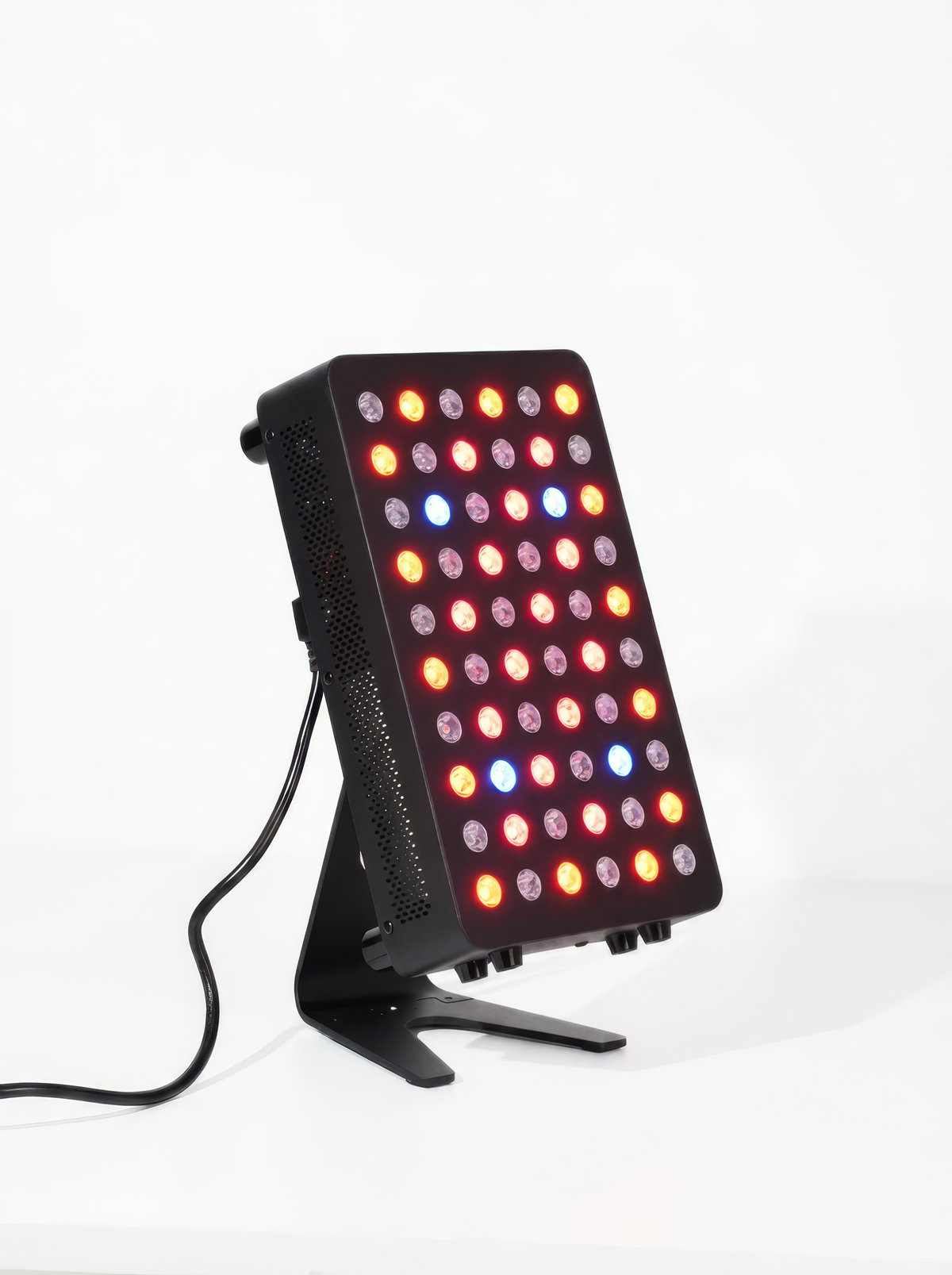


Managing blood sugar is a daily reality for millions of people around the world — especially those living with type 2 diabetes or prediabetes. Standard approaches like diet, exercise, medication, and regular glucose monitoring remain essential. But in recent years, another method — red light therapy (often called photobiomodulation) — has sparked interest for potentially supporting blood sugar regulation in a non-invasive way.
Below, we explore what red light therapy is, how it might affect blood sugar levels, what research says so far, and whether it’s a practical tool for diabetes management.
Understanding Red Light Therapy (Photobiomodulation)
Red light therapy uses specific wavelengths (typically in the red and near-infrared range) that penetrate the skin and interact with cells without causing heat or damage. The light targets mitochondria — the “powerhouses” of cells — where it may improve energy production, reduce oxidative stress, and enhance cellular function.
In simple terms, red light doesn’t just sit on the skin; it can influence how cells use energy — including glucose — which is why scientists are exploring its role in metabolic health.
How Might It Influence Blood Sugar?
To appreciate how red light therapy could help with blood sugar, it helps to understand two core physiological processes:
1. Glucose Uptake and Mitochondrial Function
The mitochondria use glucose to produce ATP (energy). Research suggests that when red light stimulates mitochondria, cells may increase their demand for glucose, pulling more sugar from the bloodstream. This may contribute to lower blood glucose levels after meals.
2. Insulin Sensitivity
In animal models of type 2 diabetes, photobiomodulation has been shown to improve insulin sensitivity — meaning cells respond better to insulin and take up glucose more effectively. One study in diabetic mice found reduced blood glucose levels and improved metabolic function in skeletal muscle after red light treatment.
What the Research Says — Human and Animal Studies
Clinical Findings in Healthy Subjects
A recent human study published in the Journal of Biophotonics looked at how a single session of 670 nm red light affected blood sugar. Participants were exposed to 15 minutes of red light before taking a standard glucose drink. The results showed:
-
A 27.7% reduction in blood glucose elevation over two hours
-
A 7.5% reduction in peak glucose levels after the glucose drink
These changes suggest that red light exposure may help reduce post-meal glucose spikes, which are a major concern for people with or at risk for diabetes.
Although this study was conducted on people without diabetes, researchers believe the mechanisms could also benefit people with metabolic conditions — including type 2 diabetes — once confirmed in further trials.
Animal and Cell Studies Support the Concept
Several animal studies also point toward beneficial effects of red light therapy on blood sugar regulation:
-
Improved insulin resistance and glucose uptake: In diabetic mouse models, photobiomodulation reduced fasting blood glucose and improved skeletal muscle glucose metabolism, indicating better overall metabolic function.
-
Enhanced GLUT4 activation: Some studies show red and near-infrared light may promote activation of GLUT4, a key transporter that helps cells take in glucose in response to insulin.
These findings support the idea that red light could influence metabolic pathways tied to diabetes — though more clinical research in humans is needed to confirm real-world effects.
Comparing Red Light Therapy with Standard Diabetes Strategies
It’s important to be clear: red light therapy is not a standalone treatment for diabetes. It should not replace proven strategies like:
-
Healthy diet and carbohydrate management
-
Regular physical activity
-
Medication prescribed by a doctor
-
Blood glucose monitoring
Instead, red light therapy may serve as a complementary support tool — potentially helping alongside standard care by enhancing cellular energy use and reducing glucose spikes after meals.
For instance, if someone experiences frequent post-meal blood sugar peaks, regular red light sessions might help moderate these fluctuations when combined with good nutrition and activity patterns. Current evidence suggests a possible benefit, but it’s not a cure.
Limitations and What We Still Don’t Know
While the research is promising, it also comes with important caveats:
Human research is still limited
The most widely cited red light study on blood glucose involved healthy participants — not people with diabetes — and more clinical trials are needed to confirm effects in diabetic populations.
Optimal treatment protocols aren’t yet established
Different wavelengths, exposure times, and light devices could produce different outcomes. There is no standardized “dose” of red light for blood sugar control yet.
Short-term effects may not equal long-term benefits
Initial research shows benefit in reducing blood glucose spikes shortly after exposure. Whether this translates into meaningful improvements in long-term diabetes control or HbA1c levels remains to be seen.
Practical Takeaways
Here’s what we can say based on current evidence:
✔ Red light therapy shows measurable effects on glucose metabolism
Studies report reduced blood glucose elevation and smaller spikes following carbohydrate intake.
✔ Biological mechanisms support its potential utility
By stimulating mitochondria and improving cellular glucose uptake, red light may play a supportive role in metabolic control.
✔ More research is needed before clinical recommendations
Experts emphasize the need for well-designed clinical trials in people with diabetes to validate these early findings.
Conclusion
Red light therapy is an exciting area of emerging research — especially for its potential to support blood sugar regulation through effects on mitochondria and glucose metabolism. Early studies in humans and animals show promising reductions in blood glucose levels and improvements in insulin sensitivity, but the science is not yet mature enough to declare it a standard diabetes treatment.
If you’re curious about red light therapy as part of your wellness strategy, it’s best to talk with a qualified healthcare provider who understands your health history and treatment goals. With more research on the horizon, this technology could one day become a valuable tool in metabolic health management — but for now, it’s best viewed as a complementary approach, not a replacement for proven diabetes care.
This content is for informational purposes only and is not medical advice.